 PledgeBox
Armello Board Game: A Guide to Glory and Crowdfunding
Explore the Armello board game with our complete guide. Learn core mechanics, strategy, and the crowdfunding lessons from its successful launch.
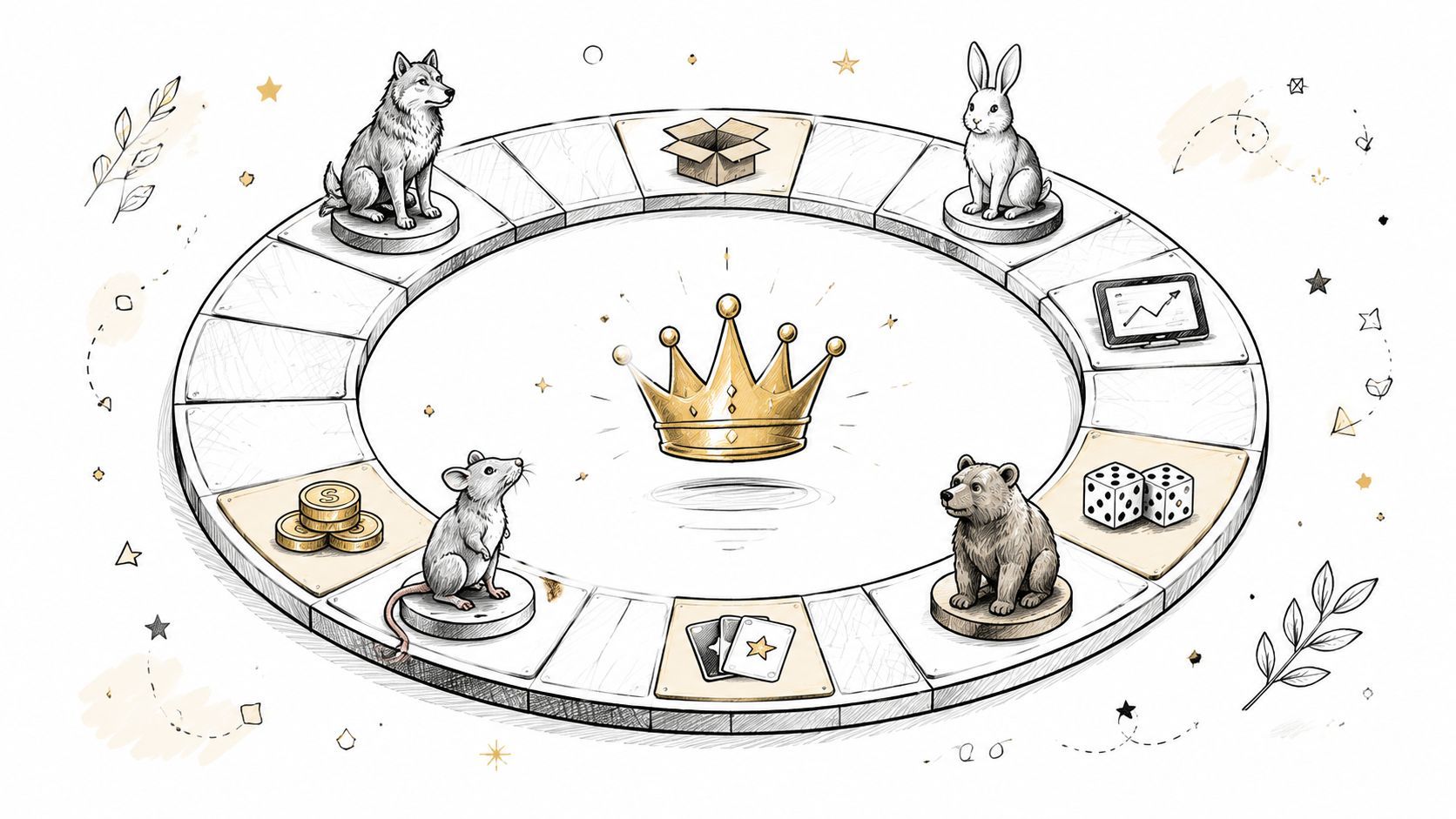
Explore the Armello board game with our complete guide. Learn core mechanics, strategy, and the crowdfunding lessons from its successful launch.
A new player once asked me why Armello felt more dramatic than most fantasy board games. After one match, the answer was obvious. Every turn asks whether you'll build your strength, strike early, or chase the crown before the whole table turns on you.
Armello works because it gives you a world with story, but it never lets story float free from systems. You aren't just wandering a fairy tale kingdom full of animal clans and dark magic. You're making positional decisions, managing cards, reading opponents, and choosing when to turn reputation into a winning push.
That blend is the heart of the Armello board game. Its official store description presents it as a game that combines deep tactical card play, tabletop strategy, and RPG elements in one digital board-game framework, which is why outcomes depend on both card sequencing and board position rather than a single fixed rules pattern in the official Armello Steam listing.

Most strategy games ask you to specialize. Armello asks you to juggle.
That mix creates a useful kind of tension. New players can enjoy the theme immediately, while experienced players keep finding layers in turn order, resource pressure, and timing windows.
Practical rule: If a game feels exciting in both the story layer and the decision layer, it usually has better staying power.
I don't look at Armello only as a game. I look at it as a publishing case study.
It shows how a project can build a distinct identity, move through crowdfunding-era attention, and then keep living across formats instead of fading after launch. For players, that means a richer ecosystem to explore. For creators, it means there's a lot to learn from how theme, product design, and lifecycle planning fit together.
If you're here as a player, the useful question is simple. What makes the Armello board game worth learning, and how do you win more often?
If you're here as a creator, the better question is broader. How do you launch something with enough identity that it can survive the campaign, sustain community interest, and support later growth?
Those two questions aren't separate. Armello's appeal to players is exactly what made it valuable as a product.
A player hears about Armello, opens a store page, and assumes there is one clear entry point. Then the core question appears. Do you want Armello taught by software, or by people around a table?
That choice shapes the whole experience.
For players, the split affects how quickly the game clicks, how much rules overhead you carry, and what kind of tension you enjoy. For creators, it offers a useful case study in product translation. Armello did not rely on a single format to carry its identity. It presented the same kingdom struggle through two delivery systems, each highlighting different strengths.
The digital edition works like a rules referee that never gets tired. It enforces movement, resolves card windows, tracks status effects, and prevents many common mistakes before they happen. A new player can learn by doing because the game keeps the rails in place.
The tabletop edition asks more from the group, but it gives more room for table culture. You handle the board, read body language, negotiate openly, and feel the tempo of the game through conversation rather than interface prompts. That difference matters because Armello is not only a set of procedures. It is also a contest of timing, threat reading, and social pressure.
Here is the clearest side by side view.
| Feature | Digital Edition | Tabletop Edition |
|---|---|---|
| Accessibility | Easy to start if you have a supported device | Requires the physical game and table space |
| Rules handling | Automated by the software | Managed by the players |
| Learning curve | Good for solo learning because prompts guide each action | Good for group learning if someone can teach and answer questions |
| Social style | Online play and remote convenience | In-person table presence and physical interaction |
| Setup time | Minimal once installed | Requires component setup and teardown |
| Visual experience | Animated presentation and built-in effects | Physical art, tokens, cards, and board presence |
| Pace | Usually faster because the system resolves effects immediately | Depends heavily on player familiarity |
| Buying context | Digital storefront purchase and device access | Retail, secondhand, or campaign-era physical availability |
A practical comparison helps here. Digital Armello reduces friction at the rules layer. Tabletop Armello reduces distance between players. Those are different benefits, and they serve different kinds of groups.
Choose digital if your main barrier is process. You want the game to teach timing windows, enforce legal actions, and let you repeat matches without setup. That makes it a strong training ground for anyone trying to understand turn flow and card interaction.
Choose tabletop if your group values the ritual of play. Physical pieces slow the game just enough to create discussion, table talk, and visible hesitation. In a political game, those signals are part of the experience.
A simple way to frame it is this:
Creators should pay attention to that distinction too. A game that survives in both forms usually has a clean core promise. If players can still recognize the same emotional experience after the interface changes, the design has real clarity. That is one reason tabletop publishers study successful Kickstarter tabletop game campaigns and fulfillment patterns before extending a project beyond its first format.
Marketing also changes with the format. A digital release can show animation, automation, and convenience in a trailer or launch beat. A physical release needs to sell presence, materials, and group experience. If you are planning that kind of communication, this expert guide for Kickstarter event PR shows how creators frame a project so the audience understands what makes it worth backing or buying.
The lesson from Armello is straightforward. The box and the build can change. The promise has to stay readable.
A good origin story does two jobs at once. It helps players understand why a game feels distinct, and it helps creators see why that distinction was clear enough to earn attention in the first place.
Armello is a useful case study because its premise was easy to grasp from the first sentence. A kingdom is failing. The King is corrupted by Rot. Animal heroes from rival clans are racing toward the same throne for very different reasons. For players, that setup promises intrigue before a single card is drawn. For creators, it shows the value of a pitch with strong shape. You can summarize it quickly, but it still leaves room for personality, art direction, and strategy.

The strongest crowdfunding pitches usually answer three questions fast. What is the world? Why is this conflict interesting? Why should a backer remember this project tomorrow?
Armello had clean answers. Its clans gave the setting instant contrast. Its corrupted monarchy created tension. Its board game roots gave the project a familiar frame, while the presentation made it feel more alive than a plain rules sheet or prototype photo. In publishing terms, that is strong packaging. The theme, mechanics, and visual identity were pointing in the same direction.
That matters because backers rarely fund raw systems alone. They fund confidence. They want to see that the team understands the product well enough to present it as a whole experience, not a pile of disconnected features.
Creators can study the communication side as carefully as the design side. If you need a model for announcement timing, media beats, and launch messaging, this expert guide for Kickstarter event PR is a practical reference.
The more interesting lesson came after the campaign. Armello did not stop at being a clever pitch with attractive art. It kept building an identity across release, adaptation, and post-launch support. That is harder than getting funded. A campaign page can sell possibility. A product line has to prove consistency over time.
For players, that long tail matters because it usually signals a game worth learning thoroughly. A title that continues to receive attention tends to develop a stronger community, clearer strategy discussion, and better long-term visibility. For creators, the lesson is operational. Funding is only the handoff from promise to delivery.
That is why post-campaign planning has to start early. Manufacturing, communication cadence, fulfillment, and audience expectation all shape whether a project feels trustworthy after the excitement of launch day fades. A creator preparing a tabletop campaign can learn a lot from this guide to Kickstarter tabletop games and fulfillment patterns, especially the work that begins once the campaign total is locked in.
Strong campaigns sell more than a rule set. They sell a world, a reason to care about that world, and a believable path from campaign page to finished product.
Armello's origin story still matters because it shows how a project moves from concept to kingdom. Players get a richer game world to inhabit. Creators get a clear example of how memorable theme, disciplined positioning, and post-campaign follow-through can turn early interest into a lasting brand.
Most confusion around the Armello board game comes from one mistaken expectation. New players think it's mainly a combat game. It isn't. Combat matters, but its core engine is turn sequencing, board position, and choosing which path to victory you're building toward.
The game's tempo is grounded by two victory thresholds. Rules coverage explains that a player can aim for 30 Prestige to enter the palace for a regicide attempt, or reach 70 Prestige for an immediate proclamation victory. It also notes that players begin with 4 gold coins and 2 Armello dice, which helps define the early pacing and strategic structure in this Armello rules overview.
Armello uses a hex-based map, so movement is never just about going forward. Every step asks what tile you'll occupy, what danger you're exposing yourself to, and what option you're giving up by moving elsewhere.
Your opening resources matter because they limit how explosive your first turns can be. You don't begin with enough to do everything. That's good design. Scarcity forces a plan.
Think of your early game in three layers:

A lot of rulebooks list phases without teaching how to think through them. Armello is easier when you treat each turn as a short planning cycle.
At the start of a fresh cycle, players look at new opportunities. This is the moment to ask what kind of turn you can support, not what kind of turn you wish you had.
Cards are central here because they widen your options. In Armello, cards often do more than provide isolated effects. They let you pivot. A movement plan can become a trap plan. A defensive turn can become an attack if your hand supports it.
Movement is where new players often waste tempo. They chase attractive spaces instead of useful spaces.
A useful space does at least one of these things:
If a move does none of those, it's probably decorative rather than strategic.
Here's a quick reference video if you want to see the flow in action.
Armello becomes more punishing when players stop planning for what happens after movement. Dusk and later effects punish careless endings to a turn.
Positioning shows its value. Ending in the wrong place can expose you to attacks, perils, or lost initiative. Ending in the right place can force opponents to spend their turn dealing with you instead of advancing themselves.
Publisher's lens: Good turn structure teaches consequences. Armello does this well because the end of your turn often reveals whether your earlier choices were real setup or just hopeful motion.
If you're overwhelmed, reduce your turn to one question. What win path am I feeding right now?
That doesn't mean you lock yourself into one route forever. It means each turn should strengthen a coherent direction. Prestige isn't just a score. It's access and standing. Gold isn't just money. It's tempo. Dice aren't just randomness. They define the level of risk you can responsibly take.
Once players understand that, the game opens up. Rules stop feeling like separate systems and start feeling like one kingdom-wide contest over timing.
Winning Armello consistently isn't about memorizing every card interaction. It's about recognizing which victory plan your position supports, then shifting before the table can shut that plan down.
A common beginner mistake is trying to stay equally open to everything. Flexibility matters, but indecision loses games. You need a primary route and a backup route.
This is the most dramatic plan and often the easiest for new players to understand. Build toward a palace assault, prepare for a hard finish, and accept that everyone sees it coming.
Regicide rewards players who manage timing well. Go too early and you bounce off the endgame. Go too late and someone else wins through slower accumulation. This path suits aggressive heroes and players who can read when the table is overextended.
This route attracts players who prefer cleaner planning over direct confrontation. You spend much of the game preserving your line rather than dominating the board.
The trap is becoming too passive. A spirit-focused player still has to contest key spaces and protect momentum. Quiet play works only when it keeps advancing.
Rot strategy appeals to players who like asymmetry and controlled danger. You lean into corruption, but you can't play recklessly just because your path is unusual.
This style works best when you understand not just your own risk, but the table's emotional reaction. Rot lines often become stronger when opponents overcorrect and spend too many resources trying to contain them.
Prestige is the patient player's route. You don't need one huge turn. You need enough strong turns that the board starts recognizing you as the central figure.
This style rewards map awareness, quest discipline, and selective conflict. Don't confuse prestige strategy with passivity. The best prestige players interfere constantly. They just do it in ways that keep their own position improving.
A practical way to think about the four paths:
Players improve fastest when they stop asking, “What does my hero do?” and start asking, “What game is my hero invited to play?”
Some heroes want combat lanes. Others want mobility, trickery, or economic advantage. The hero doesn't force your strategy, but it strongly nudges your best opening decisions.
Don't pick a strategy because it sounds exciting. Pick the strategy your board state keeps making easier than the alternatives.
That's the central skill jump in Armello. You stop chasing abstract win conditions and start reading the board as a living argument about which path is still available.
A core game survives on first impressions. An expandable game survives on replay value. Armello's long-term strength comes from how additional content changes matchups, planning, and player preparation rather than just adding more “stuff.”
The biggest strategic effect comes from hero variety. A fully expanded version of Armello includes 24 playable characters, and that wider roster materially changes matchup depth, faction interactions, and the number of viable tempo and control lines that players need to evaluate, as noted in the Armello reference overview.
Not every expansion changes a game's thinking load. More characters in Armello do.
Each new hero asks returning players to reassess openings, threat levels, and likely endgame pivots. That's especially important in a game where public position and private hand timing interact. You're not only learning what your character can do. You're learning what everyone else might be setting up.
That creates a healthier form of replayability than simple content accumulation.
A good expansion program doesn't just add volume. It extends the decision space.
Armello's expanded roster is useful because it shows what meaningful add-on design looks like. New content should create fresh strategic questions, not just more inventory to manage. For creators planning post-campaign extras, this matters a lot. A bloated add-on catalog can weaken fulfillment and confuse buyers, while a focused one increases engagement. This guide to game add-ons is a practical reference for thinking through that balance.
If you're entering the ecosystem gradually, prioritize content that changes how you think, not just how much you own. New playable options often offer more lasting value than purely cosmetic extras because they reshape table dynamics.
That's why Armello's expansion story works. It doesn't just extend shelf life. It extends the number of meaningful questions each match can ask.
Armello's lifecycle is useful because it wasn't built on one lucky moment. It combined a strong setting, a clear product identity, and a format flexible enough to keep growing after the initial wave of attention. That's the blueprint worth studying.
For creators, the first lesson is about positioning. Armello had a concise promise. It wasn't selling “a fantasy strategy product with many systems.” It was selling a distinctive kingdom struggle with recognizable clans, a corrupted ruler, and a game feel that merged board play, cards, and character progression. Audiences can support complexity, but they have to understand the invitation first.
If a backer can't explain your game to a friend, your campaign page is doing too much or saying too little.
Armello had repeatable language. Animal clans. Rot. Throne struggle. Board-game feel brought to life. Those aren't just lore notes. They're publishing assets.
Creators can borrow that lesson without copying the setting model.
For practical promotion ideas that fit smaller teams and creator-led brands, this guide to marketing for makers and creators is a helpful companion read.

A lot of creators still treat surveys, add-ons, late pledges, shipping collection, and fulfillment exports as clerical tasks. They aren't. They're part of customer experience and revenue design.
The common analogy is useful. Kickstarter pledge manager is like Amazon, and PledgeBox pledge manager is like Shopify. One feels more like a standard marketplace layer. The other gives creators more control over how the post-campaign store and survey flow work. In practical terms, PledgeBox is free to send the backer survey and only charges 3% of upsell if there's any. For teams planning tabletop campaigns, that matters because post-campaign complexity often grows faster than expected. This broader board game crowdfunding reference is relevant when you start mapping that operational side.
The strongest creator lesson isn't “make a fantasy game” or “go digital later.” It's simpler.
Design for continuity.
That means:
Campaigns gain attention through excitement. They keep value through clarity, follow-through, and a post-campaign system that doesn't collapse under detail.
Armello worked as more than a launch because the team had something durable to extend. That's the part creators should focus on. The campaign may fund the first version of your idea. The actual business starts when backers expect that idea to arrive, evolve, and remain coherent.
If you're planning a tabletop crowdfunding campaign and want a cleaner way to handle surveys, add-ons, shipping collection, and late backers, take a look at PledgeBox. It's built for creators who need a practical post-campaign workflow without adding more tool sprawl.
PledgeBox
The All-in-One Toolkit to Launch, Manage & Scale Your Kickstarter / Indiegogo Campaign