 PledgeBox
Kickstarter Late Pledge The Ultimate Post-Campaign Funding Guide
Unlock 10-20% more funding with a Kickstarter late pledge strategy. Our guide covers pledge managers, upsells, and fulfillment to maximize your success.
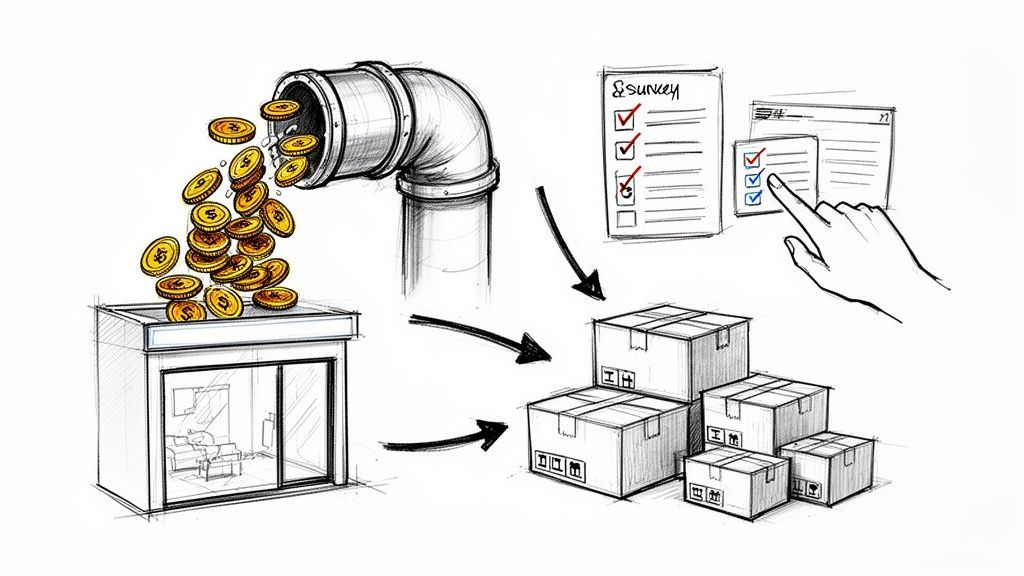
Unlock 10-20% more funding with a Kickstarter late pledge strategy. Our guide covers pledge managers, upsells, and fulfillment to maximize your success.
So, your campaign timer hits zero. A lot of creators think that’s it—funding is over. But it doesn’t have to be.
A Kickstarter late pledge is a simple but powerful strategy that lets new backers who missed your deadline support your project after it ends. This isn't just a few extra dollars; we're talking about a significant boost, often adding 10-20% to your total funds raised.

The moment your Kickstarter campaign ends, the excitement is at an all-time high. This is the perfect time to capture all those people who just found your project or were on the fence about backing. A late pledge system acts as a financial bridge, turning that lingering interest into real revenue that can make a massive difference for your production budget.
This strategy has become so effective that it's no longer a niche tactic. In a 2024 Kickstarter Connects webinar, the team confirmed that late pledges are a game-changer, regularly capturing an extra 10-20% in revenue for successful projects. It's a proven way to keep your momentum going.
When it's time to set up your late pledges, you basically have two choices. You can either use Kickstarter's own built-in feature or go with a specialized pledge manager.
Here's a good way to think about it:
Kickstarter's native tool is like a closed-off marketplace. It gets the basic job done but offers very little control and almost no chance to upsell or truly engage with your new backers.
A dedicated pledge manager like PledgeBox is more like your own branded storefront, think Shopify. It puts you in the driver's seat, giving you complete control over everything from custom surveys to powerful upselling features.
This difference is huge. A Shopify-like approach doesn't just collect money; it helps you build a post-campaign sales engine. You're turning a simple transaction into a real relationship with your backers while giving your project's budget a serious boost.
To make the choice clearer, let's break down the core differences.
While Kickstarter's late pledge feature offers a basic solution, a specialized tool like PledgeBox is designed to maximize your post-campaign potential. Here’s a side-by-side look at what each option provides.
| Feature | Kickstarter Native Late Pledge | PledgeBox Pledge Manager |
|---|---|---|
| Backer Experience | Limited to basic pledge collection. No customization. | Fully customizable surveys and a branded storefront feel. |
| Upsells & Add-ons | Not supported. | Powerful, integrated upsell and add-on features. |
| Shipping & VAT | Basic shipping collection, but no complex rate or VAT calculations. | Advanced shipping and VAT/tax management for global backers. |
| Flexibility | Rigid structure; works only within Kickstarter’s ecosystem. | Flexible system that can be shared anywhere—social media, email lists, etc. |
| Cost Structure | Standard Kickstarter fees apply. | Free to send surveys. A small 3% fee only on new revenue from upsells, if there's any. |
As you can see, the pledge manager route gives you far more control and opportunity to grow your funding after the campaign clock stops.
The real magic happens when you turn a late pledge from just a payment into a full-on sales opportunity. This is exactly where a robust pledge manager shines.
With PledgeBox, for instance, sending out your backer surveys is completely free. You only pay a small 3% fee on the new revenue you generate from upsells, if there's any. That means the platform only makes money when you make more money.
This performance-based model is a perfect fit for a creator's goals. It encourages you to create compelling add-ons and upgrades, because you know the tool is built to help you succeed without hitting you with high upfront costs.
Ready to set up your own late pledge system? You can learn more in our detailed guide on unlocking the power of late pledges with PledgeBox. This approach turns a post-campaign necessity—collecting backer info—into your most powerful new revenue driver.

Once the confetti settles on your successful campaign, you’ll face one of the most critical decisions of your entire project: choosing the right tool to manage your backers and handle Kickstarter late pledges. This isn't just about collecting addresses; this choice directly shapes your workload, your backers' experience, and how much money you ultimately take home.
Think of it this way: Kickstarter's pledge manager is like Amazon—a standardized marketplace. A dedicated pledge manager like PledgeBox, on the other hand, is like Shopify—it's your own post-campaign storefront. You get a branded, flexible platform where you control the entire experience, from a smooth survey process to powerful upsells.
Your goal here is to find a platform that doesn't just collect information but actively helps you earn more. This means looking past the surface-level features and seeing the tool as a partner that can generate revenue after your campaign has ended.
Here are the key things I always look for:
Choosing a pledge manager with a performance-based fee structure like PledgeBox's is a strategic move. It minimizes your upfront risk and ensures the platform is motivated to help you maximize post-campaign sales, creating a true partnership.
The cost model is a massive differentiator. Some platforms charge a flat fee or a per-backer fee just to send surveys, which eats into your funding before you’ve even had a chance to upsell.
The PledgeBox model, in contrast, is built on performance. It’s free to send surveys and manage your backers. This completely changes the financial picture. If you raise an extra $10,000 through add-ons, the platform's share is just $300—and you've just boosted your project's total funding at no initial cost.
To get a clearer picture, you can learn more about how to select the right pledge manager and see which features make the biggest difference. Shifting your mindset to see this tool as a revenue driver, not a cost, can have a huge impact on your project's bottom line.
Your campaign is funded, the confetti has settled, but the real work is just getting started. That survey you're about to send your backers? It’s far more than just a form to collect addresses. Think of it as your last—and most direct—chance to connect with your community and boost your total funding.
If you treat it like a simple questionnaire, you're leaving money on the table. But if you approach it like a personalized checkout experience, you turn a logistical step into a powerful sales tool for your Kickstarter late pledge strategy. This is your final opportunity to present those compelling add-ons they might have missed.
A robust pledge manager functions less like Kickstarter's native survey tool and more like your own custom e-commerce shop. This distinction is crucial.
To put it another way, if Kickstarter's pledge manager is like Amazon—a standardized, one-size-fits-all marketplace—then a platform like PledgeBox is your Shopify. It gives you the control to build a branded storefront where you manage the entire customer journey, from the questions you ask to the upsells you feature.
It's this "Shopify-like" control that lets you generate serious extra revenue. Instead of just confirming a backer's reward, you guide them through a carefully designed flow that showcases other valuable items they’ll love.
A great survey should feel completely effortless for the backer, but it's built on a foundation of strategic choices you make behind the scenes. Here’s what I always focus on:
In massive categories like tabletop games, where 41,625 projects raised between $20k and $99k, using a proper pledge manager for a Kickstarter late pledge is just standard practice. It's how successful creators offer upsells on add-ons and manage pre-orders effectively.
PledgeBox makes this whole process incredibly straightforward. Best of all, it's completely free to send your backer survey. The platform only takes a 3% fee if you successfully generate revenue from upsells, if there's any. This performance-based model means the tool only makes money when you do, which is exactly the kind of partnership you want.
For a deeper dive into getting this right, check out our guide on creating an effective Kickstarter post-campaign survey.
Once the surveys are out and your late pledge store is humming along, you've officially hit the most tangled part of any Kickstarter project: fulfillment. This is where your pledge manager stops being just a sales tool and becomes the command center for your entire logistics operation, helping you untangle the chaos of inventory, shipping, and backer updates.
Getting this stage right is absolutely critical. It’s where you protect your budget from costly mistakes and, more importantly, maintain the trust you’ve built with your backers. A solid pledge manager will let you pull precise, easy-to-read reports for your fulfillment partner. This is the data they need to pick and pack every order correctly, which saves you a ton of headaches and money.
You’ll also be juggling inventory for all your different rewards and add-ons. The right platform gives you a bird's-eye view of your stock, so you don't accidentally oversell that popular stretch goal item. This ensures everyone, including your Kickstarter late pledge backers, gets exactly what they paid for.
Shipping worldwide adds a whole new level of complexity. You’ve got to figure out accurate shipping rates, not to mention the fun of international taxes and VAT. A good pledge manager will handle these calculations for you automatically based on each backer's location, so neither you nor your community gets hit with surprise costs.
If you’re running a campaign with a lot of physical goods—like board game publishers or hardware creators, who are a big part of the PledgeBox community—this is a lifesaver. You're dealing with huge order volumes, and features like Google Maps address validation and direct data exports to your vendors make a world of difference. It helps you turn late backers into easy upsell opportunities, especially with a simple 3% fee on add-ons only, if there's any.
To make sure your rewards get to backers quickly and without a hitch, it helps to think about your E-commerce fulfillment center design. A smooth, well-organized process on the warehouse floor directly translates to happy backers.
The whole journey from collecting survey info to getting packages out the door can feel overwhelming, but it breaks down into a few key phases.

This really just shows that before you can even think about shipping, you have to nail the survey process: designing it, using it to upsell, and collecting the data. Get that right, and fulfillment becomes much easier.
Throughout this whole fulfillment marathon, remember one thing: communication is key. Being proactive with updates builds incredible trust and will drastically cut down on the number of "Where's my stuff?" emails you get. Backer anxiety thrives in silence, so keeping them informed is one of your most important jobs.
This is another spot where a good pledge manager becomes your best friend. Tools like PledgeBox are built with features designed to keep your backers in the loop with minimal effort from you.
Think of it this way: Kickstarter’s pledge manager is like Amazon—it’s standardized, rigid, and you can’t change much. A pledge manager like PledgeBox is your personal Shopify—a flexible toolkit that puts you in control of the entire post-campaign experience, from fulfillment to communication. Even better, sending the survey itself is free, with a 3% charge only on upsell revenue if there is any.
This hands-on approach to communication doesn't just keep your community happy; it frees you up to focus on the big picture—getting your amazing creation into the hands of the people who believed in it from the start.
Just because your campaign timer hit zero doesn’t mean the marketing stops. Honestly, this is where you can catch a whole new wave of support. Your late pledge page might be live, but it won't promote itself. You’ve got to get out there and drive traffic to your storefront to really capitalize on all that post-campaign buzz.
Your first move? Talk to your existing community. These are the people who believed in you from day one—your most passionate supporters and, frankly, your best word-of-mouth marketers. Post a clear, exciting project update right on Kickstarter to announce that your late pledge store is officially open. Frame it as the last chance for their friends who missed out to jump on board.
At the same time, pull out that pre-launch email list. This is a goldmine of people who showed interest but, for whatever reason, didn't back the project during the live campaign. A friendly email with a direct link to your Kickstarter late pledge store can be incredibly effective. If you can, sweeten the deal with a small bonus or a final "early bird" price to give them that final nudge.
Beyond your inner circle, there's a whole world of potential backers who find projects after they’ve already ended. The trick is making it dead simple for them to find you and your pre-order page.
Keep your social media channels active, but switch up the messaging. It's no longer "Back our campaign!" but "Last chance to pre-order!" Use those stunning product photos and videos you have, and don't be shy about sharing testimonials or positive comments from your original backers. Nothing builds trust with a new audience like seeing how successful the initial campaign was.
Here are a few promotional tactics I've seen work wonders:
Picking the right tool here is crucial. Remember, PledgeBox is free to send the backer survey and only charges a 3% fee on upsell revenue, if you generate any. It's a performance-based model, which means they only succeed when you do. That lets you focus on promotion without worrying about high upfront costs.
Treat your late pledge period as its own mini-campaign. It’s a strategic marketing phase that can seriously boost your final funding total and bring more fans into your community. Don't let this opportunity pass you by—a strong promotional push ensures you capture every last backer.
As you wrap up a successful campaign, you're bound to have questions about what comes next. Navigating the world of post-campaign funding and late pledges can feel a little intimidating, but it's also a massive opportunity. Getting it right can seriously boost your final funding total.
Let's dive into some of the most common questions we hear from creators.
This is one of the most important things to understand. The difference really comes down to control, flexibility, and opportunity. I like to think of it this way:
Kickstarter's pledge manager is like Amazon. It’s a standardized, one-size-fits-all solution that handles the basics but gives you very little room to customize the experience. A dedicated pledge manager like PledgeBox is your personal Shopify store—a powerful, customizable toolkit that puts you in the driver's seat.
With a "Shopify-like" tool, you aren't just sending a basic survey; you're creating a branded post-campaign storefront. This is where you can manage complex shipping rules and VAT, design detailed surveys for variants, and, most importantly, offer powerful upsells to increase your funding.
The cost model is a game-changer, too. With PledgeBox, it’s completely free to send your backer survey. We only take a small 3% fee on the new money you raise from upsells, if there's any. This means we're invested in your success—we only make money when you do.
Timing is everything here. You want to strike while the iron is hot. Aim to launch your late pledge manager within one to two weeks after your Kickstarter campaign officially ends.
This window is your golden hour for a couple of key reasons:
Opening your pre-order store quickly converts that fresh excitement and "fear of missing out" (FOMO) into real pledges for your project.
There’s no magic number, but from what we've seen across thousands of campaigns, a well-run late pledge strategy typically adds an extra 10-20% to a project's original funding total. For campaigns in hot categories like tabletop games or innovative tech, that number can often climb even higher.
The secret isn't just having a late pledge open; it's about making your pre-order store a compelling experience. Success usually boils down to these things:
Absolutely. While a pledge manager is the ideal tool for running a Kickstarter late pledge, its primary job is to simplify your entire post-campaign workflow—something you have to tackle anyway.
Even if you aren't accepting new backers, you still need to:
A tool like PledgeBox is built from the ground up to automate all of this. It will save you from getting lost in spreadsheets for days on end and helps you avoid expensive fulfillment mistakes. Plus, you can still offer your original backers a chance to buy extra add-ons, which often gives your campaign one last funding boost.
Ready to take control of your post-campaign journey and maximize your funding? PledgeBox provides the all-in-one toolkit to manage surveys, upsells, late pledges, and fulfillment with ease. Get started for free today and see how thousands of creators are building bigger, better campaigns.
PledgeBox
The All-in-One Toolkit to Launch, Manage & Scale Your Kickstarter / Indiegogo Campaign