 PledgeBox
Is Kickstarter Legit: Is Kickstarter Legit? Your 2026 Guide
Our 2026 guide answers: is kickstarter legit? We analyze success rates, risks, and how to spot scams. Learn how backers stay safe and creators build trust.
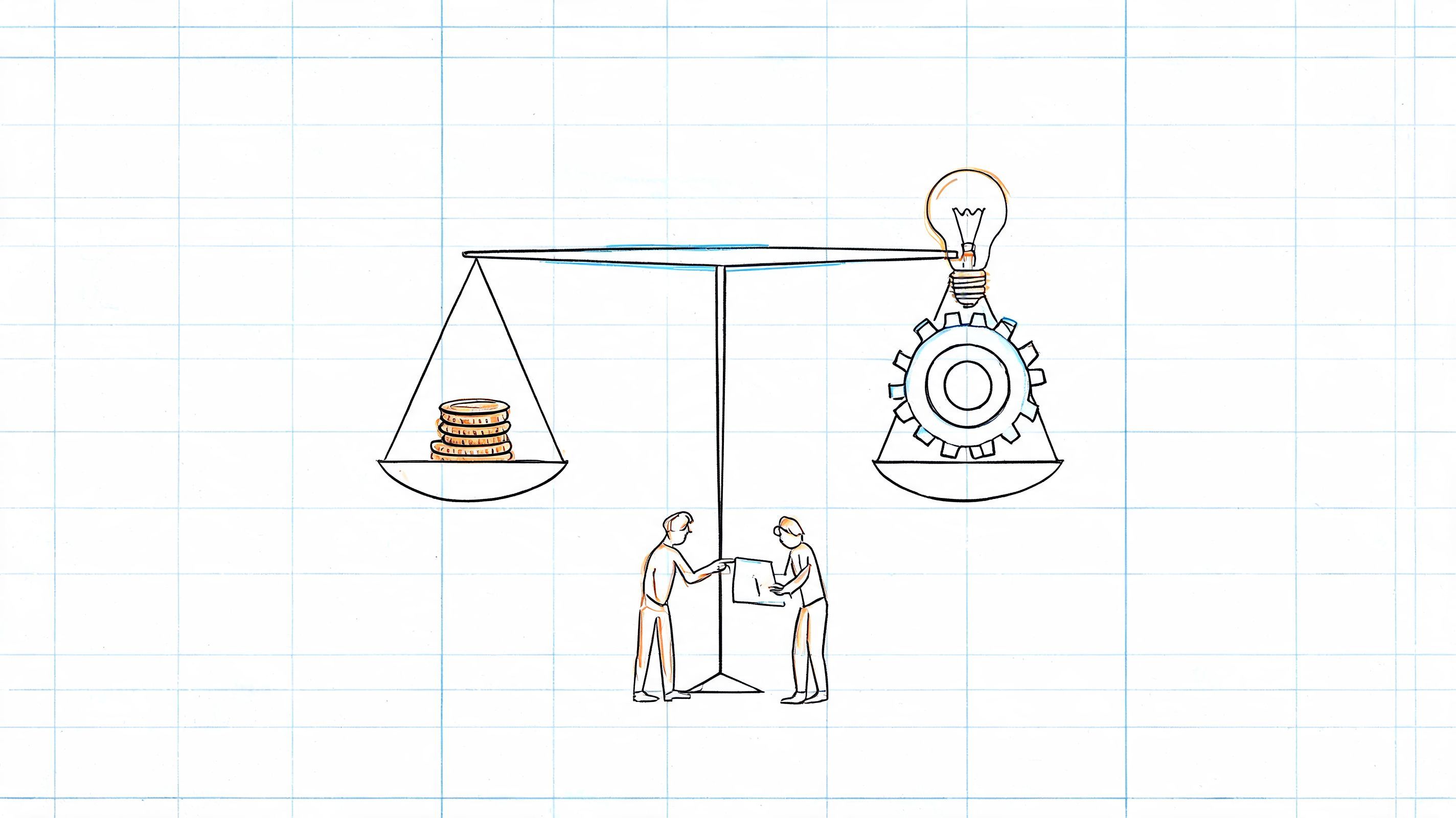
Our 2026 guide answers: is kickstarter legit? We analyze success rates, risks, and how to spot scams. Learn how backers stay safe and creators build trust.
If you're asking is kickstarter legit, the true question is usually narrower.
Are you asking whether Kickstarter itself is a real, established platform? Or are you asking whether every project on it is trustworthy, well-planned, and likely to deliver on time?
Those are not the same thing. A lot of confusion starts there. People see a failed project, late rewards, or a creator who went silent, then conclude the entire platform must be shady. In practice, Kickstarter is legitimate. The harder truth is that a legitimate platform can still host risky projects, because crowdfunding is built around funding ideas before execution is finished.
That's why experienced backers treat Kickstarter differently than an online store. And serious creators know their credibility doesn't end when the campaign funds. It starts there.
Yes. Kickstarter is a legitimate public benefit corporation with a long operating history and massive scale. It has facilitated over US$8.71 billion in pledges, with 24.1 million backers funding 277,302 projects, and it reports a 39.11% global success rate according to Kickstarter's published platform history summarized on Wikipedia.
That answers the platform question.
What it does not answer is whether any specific campaign is safe, realistic, or well managed. That's where people get burned. Kickstarter is legitimate, but it isn't Amazon. You are not buying finished inventory sitting in a warehouse. You are backing a creator's attempt to make and deliver something.
For backers, legitimacy means the platform has real operating rules, payment controls, identity checks, and a track record large enough to show this is not some fly-by-night site. It does.
But backers still take project-level risk. A campaign can be honest and still fail because manufacturing gets messy, timelines slip, or founders underestimate fulfillment.
For creators, legitimacy means Kickstarter can absolutely launch products, audiences, and companies. It also means the platform is unforgiving if you oversell, underprice shipping, or treat updates like an afterthought.
Practical rule: Kickstarter is legitimate. Every campaign on Kickstarter is not automatically legitimate in the same way.
That distinction matters. It's the difference between trusting the marketplace and blindly trusting the seller. Smart backers separate those two. Smart creators do too.
Kickstarter's core risk control is its All or Nothing structure. A campaign only gets funded if it reaches its stated goal by the deadline. If it misses, the creator does not receive the money, and backers are not left supporting a project that raised too little to have a real chance of shipping.

That matters because underfunded product campaigns fail for predictable reasons. Tooling costs get spread across too few units. Shipping is underquoted. Certification, packaging, and defects eat the margin. All or Nothing does not remove those risks, but it does reduce one common failure mode: creators trying to build with a budget that was never realistic.
A creator submits a project
Kickstarter reviews it against platform rules before it goes live.
Backers pledge during the campaign window
The pledge is a commitment tied to the campaign outcome, not cash the creator can spend during the campaign.
The campaign ends at its deadline
The project either reaches its funding goal or falls short.
Funds are processed only for successful campaigns
If the goal is met, payment processing begins and the creator receives funds after fees and normal processing steps. If the goal is not met, the project is not funded.
For a broader operational breakdown, this guide on how Kickstarter works covers the mechanics in more detail.
All or Nothing is good at filtering out weak demand. If a project cannot convince enough people to back it, that signal shows up before money changes hands in a way that funds production.
It also forces creators to make hard decisions early. Set the goal too high, and the campaign may die even if people like the idea. Set it too low, and the campaign can fund while still being upside down on manufacturing or fulfillment. I see this mistake often with first-time hardware teams. They budget for the factory quote and forget freight, duties, replacements, and customer support.
A credible funding goal should reflect the minimum amount needed to produce and deliver the rewards, not a number chosen to improve conversion on the campaign page.
This structure reduces pre-funding risk. It does not guarantee execution after funding.
Once a campaign succeeds, the actual work begins: manufacturing, quality control, freight booking, customs, last-mile shipping, and backer communication. As noted earlier in LaunchBoom's analysis, some funded projects still fail to deliver, often because the team misjudged production and fulfillment rather than because the campaign was an outright scam.
That distinction is the one backers should care about. A funded project can be legitimate and still fail. A smart backer reads the funding model as one layer of protection, not a promise of delivery. A smart creator treats funding as the start of accountability and uses clear updates, realistic timelines, and fulfillment systems such as PledgeBox to keep backers informed once the campaign is over.
Backers who get the best results usually do one thing differently. They stop asking, “Does this page look cool?” and start asking, “Can this team make and ship this?”

Kickstarter verifies creator identities, but that is not the same as guaranteeing project completion. Kickstarter's own guidance, summarized in this article on how to know a backed project wasn't a scam, points to a hard truth: 9% of successful projects fail to deliver rewards, often because creators run into manufacturing trouble, not because they intended to scam anyone.
Use this as a working checklist, not a vibe test.
Creator track record Look at the creator profile. Have they launched before? Did they fulfill? If they're new, do they show relevant experience outside Kickstarter?
Evidence of a real prototype Hardware, gadgets, and physical products should show proof of function. Not just renders. Not just polished animation. You want to see something messy and real.
Comments and updates Read the comment section. Backers will usually surface weak answers fast. If the creator dodges basic questions before funding, expect worse after funding.
Timeline realism A page can look polished while the timeline is fantasy. Manufacturing, freight, customs, testing, and replacements all take longer than first-time creators expect.
Scope discipline The bigger the promise list, the more skeptical you should become. Too many features, too many SKUs, or too many stretch additions often create fulfillment problems later.
Here's a short explainer that complements the red-flag mindset: common scams and spams around crowdfunding campaigns.
A quick video can also help you calibrate what smart due diligence looks like in practice:
A lot of nervous backers focus on the wrong warning signs. A first-time creator is not automatically suspicious. A rough video is not automatically bad. A low-budget page can still come from a capable team.
The more serious warning signs are these:
| Red flag | Why it matters |
|---|---|
| No proof of build progress | Suggests the team may be selling an idea without solving core execution issues |
| Evasive replies in comments | Signals trouble under pressure |
| Shipping details are vague | Often means fulfillment planning came late |
| The page leans on urgency over detail | Hype is replacing transparency |
| Claims feel too broad for the team size | Scope may be unmanageable |
Backers should judge execution credibility more than marketing polish.
If a team has real prototype evidence, answers technical questions cleanly, and communicates like adults, the risk becomes understandable. It doesn't disappear. It becomes priced in.
If a team hides behind glossy graphics, ignores manufacturing questions, and treats basic scrutiny as negativity, move on. There will always be another project.
Many individuals use the word “scam” too loosely on Kickstarter.
A creator can fail honestly. A creator can also deceive intentionally. Those are different events, and if you don't separate them, you'll misread risk.

The clearest distinction is behavior after things get difficult. Honest failures usually communicate badly, miss timelines, and discover they were far less prepared than they thought. Scams usually avoid scrutiny from the start. They rely on thin evidence, inconsistent details, and disappearing communication once money is secured.
A failed but legitimate project often starts with ambition and poor operational depth. The team may have a prototype, genuine enthusiasm, and no real understanding of tooling, quality control, packaging, freight, or support load. They keep promising fixes. Delays stack up. Costs rise. Backers get frustrated because updates become defensive or sparse.
That's still harmful. But it is not the same as deliberate fraud.
Recent reporting and user complaints have made this harder to evaluate because public perception often groups everything together. According to ProductReview.com.au coverage of Kickstarter complaints and newer scam patterns, recent 2025 to 2026 concerns include more advanced fraud using AI-generated content, which makes fake projects look more polished than older low-effort scams.
That shifts the practical test. Surface polish means less than it used to.
Honest failure The team exists, the attempt is real, updates continue for a while, and problems usually center on production or delivery.
Outright scam The core facts are weak from the beginning, evidence is thin, and communication often collapses once scrutiny rises.
Gray area Some creators begin in good faith, then hide problems so aggressively that backers feel deceived. That may not have started as fraud, but trust gets destroyed the same way.
If you want to protect yourself, track the creator's willingness to share uncomfortable information. That's where the truth usually leaks out first.
If you call every failed project a scam, you miss the actual lesson. The lesson is that execution risk is normal on Kickstarter, and fraud risk is only one part of it.
For backers, that means focusing on team competence and transparency. For creators, it means understanding that silence is expensive. Even when the product problem is fixable, trust often isn't.
Creators often think legitimacy is won on launch day. It isn't. Launch day creates trust. Fulfillment either confirms it or destroys it.
Backers don't need perfection. They need evidence that the team is operating like a business, not improvising with other people's money.

The strongest campaigns usually share a few habits after funding:
If manufacturing slips, say so. If freight costs changed, explain what changed. If a component failed testing, show the fix path. Silence creates rumors fast. Vague optimism makes it worse.
A funded campaign immediately creates admin work. Surveys, shipping charges, VAT or tax handling, add-ons, address collection, replacement logic, and vendor exports can turn into a mess if handled manually. Teams that plan this workflow upfront look more credible because they are more credible.
A backer should know what they pledged for, what happens next, when they need to confirm details, and where to update their address. Confusion looks amateur. Amateur operations cause preventable support problems.
Kickstarter's native pledge manager is like Amazon. It's standardized and simple.
A dedicated pledge manager is more like Shopify. You get more control over branding, survey flow, upsells, shipping logic, tax handling, and the post-campaign customer experience.
That difference matters most for creators running physical products, multi-item bundles, regional shipping rules, or late pledge sales. If your campaign is small and simple, native tools may be enough. If your campaign has complexity, the post-campaign stack becomes part of your legitimacy.
One option creators use for that handoff is PledgeBox. It handles pre-launch capture, analytics, post-campaign surveys, shipping fee and VAT collection, add-on upsells, and fulfillment exports. Per the publisher's product information, PledgeBox is free to send the backer survey and only charges 3% of upsell if there's any. That pricing structure matters because creators can improve process without taking on upfront software cost.
Operator mindset: Backers don't read your fulfillment stack as software. They read it as a signal of whether you planned the campaign beyond the funding total.
Here's a simple breakdown of what tends to work and what tends to backfire:
| Works | Usually fails |
|---|---|
| Clear manufacturing status | “We're on track” with no specifics |
| Regular update cadence | Only posting when backers get angry |
| Prototype evidence and revisions | Perfect renders and no proof of testing |
| Defined survey and fulfillment flow | Collecting data late and manually |
| Conservative promises | Stretching features to chase momentum |
The fraud environment is changing. AI-generated visuals and copy make fake competence easier to manufacture. That means real creators need stronger receipts. More process screenshots. More real prototype footage. More operational clarity.
For teams building software tools, campaign infrastructure, or technical products, resources on launch planning can help tighten that credibility layer. If you're building the systems around your campaign, this guide on how to kickstart your coding with AI is a useful example of the kind of tactical setup thinking that reduces sloppy execution later.
Legitimacy on Kickstarter isn't a badge you receive from the platform. It's a pattern of behavior backers can verify.
This is the part many backers don't learn until they need it.
Kickstarter is legitimate, but it is not a retailer that issues routine refunds on behalf of creators. If a project goes sideways after funding, your options are narrower than they would be with a normal ecommerce purchase.
Start with the obvious steps first.
Review the project updates and comments Sometimes the creator is behind, not gone. Check whether they've posted recent explanations, revised timelines, or support instructions.
Contact the creator directly Keep the message specific. Ask for delivery status, refund policy, or next fulfillment milestone.
Report the project to Kickstarter If you believe the creator is violating platform rules or acting deceptively, report it through Kickstarter's trust channels.
Consider a card dispute if appropriate If the facts support it and your card issuer's time window allows it, a chargeback may be possible. Policies vary by issuer and timing.
For backers trying to understand the mechanics around pledge changes and cancellation, this explainer on how to cancel a Kickstarter pledge is a practical reference.
The platform's overall funding picture is strong. According to Search Logistics' Kickstarter statistics summary, $632 million has been pledged to failed campaigns versus $7.85 billion to successful ones. That shows Kickstarter channels most funding toward campaigns that succeed at the platform level.
It does not mean your specific pledge is protected from loss if a funded creator later fails to deliver.
A calm, documented approach gives you the best chance of getting a useful answer.
Save records Keep screenshots of the campaign page, reward tier, delivery estimate, and creator updates.
Use concise messages Angry essays rarely get faster support. Clear questions do.
Act within time windows If you're considering a payment dispute, don't wait until every option has expired.
A backer's strongest protection happens before the pledge, not after the project breaks.
That sounds harsh, but it's the right model for crowdfunding. Due diligence is your refund policy substitute.
So, is Kickstarter legit?
Yes. Kickstarter is a legitimate crowdfunding platform. The pertinent question is whether a specific project deserves your trust, and that answer depends on the team, the evidence, and the plan to deliver after funding closes.
That distinction matters. A failed project and a scam can look similar from a frustrated backer's point of view, but they are not the same risk. Some creators underestimate manufacturing, shipping, or product complexity and miss badly. Others make claims they cannot support, avoid basic proof, and raise money on marketing alone. Backers need to screen for both. Creators need to reduce both.
For backers, the practical standard is simple. Back teams with proof, not just pages with polished copy. A working prototype, realistic delivery language, clear budget signals, update history, and direct answers to hard questions all matter more than flashy visuals. If the campaign feels vague at the exact points where execution should be concrete, pass.
For creators, legitimacy gets tested after the funding goal is hit. Backers judge trust by what happens during surveys, add-on selection, shipping collection, production updates, and delay communication. A strong campaign can still damage its reputation through messy fulfillment, missing updates, or last-minute logistics problems.
Here is the practical split:
| If you are a backer | If you are a creator |
|---|---|
| Assess whether the team can execute | Show how the team will execute |
| Look for proof and process | Publish proof and process |
| Assume delays are possible | Plan for delays before launch |
| Treat the pledge as project risk | Treat fulfillment as part of the product |
Kickstarter has helped launch real products, films, games, books, and companies. It has also hosted projects that shipped late, underdelivered, or collapsed after funding. That mix does not make the platform fake. It means crowdfunding rewards people who understand the model and punish those who treat it like a normal online store.
If you're running a campaign and want a clearer way to manage post-campaign trust, PledgeBox is worth evaluating. It helps creators handle backer surveys, collect shipping details, manage add-ons, and keep fulfillment organized. There is no upfront cost, and it charges 3% on upsell revenue only if upsell revenue exists, which makes it a practical option for teams that need better transparency without adding fixed software expense.
PledgeBox
The All-in-One Toolkit to Launch, Manage & Scale Your Kickstarter / Indiegogo Campaign