 PledgeBox
Kickstarter GDPR Requirements Checklist 2026
Launching a Kickstarter? Use our actionable GDPR requirements checklist to handle backer data & consent. Stay compliant in 2026 and build trust.
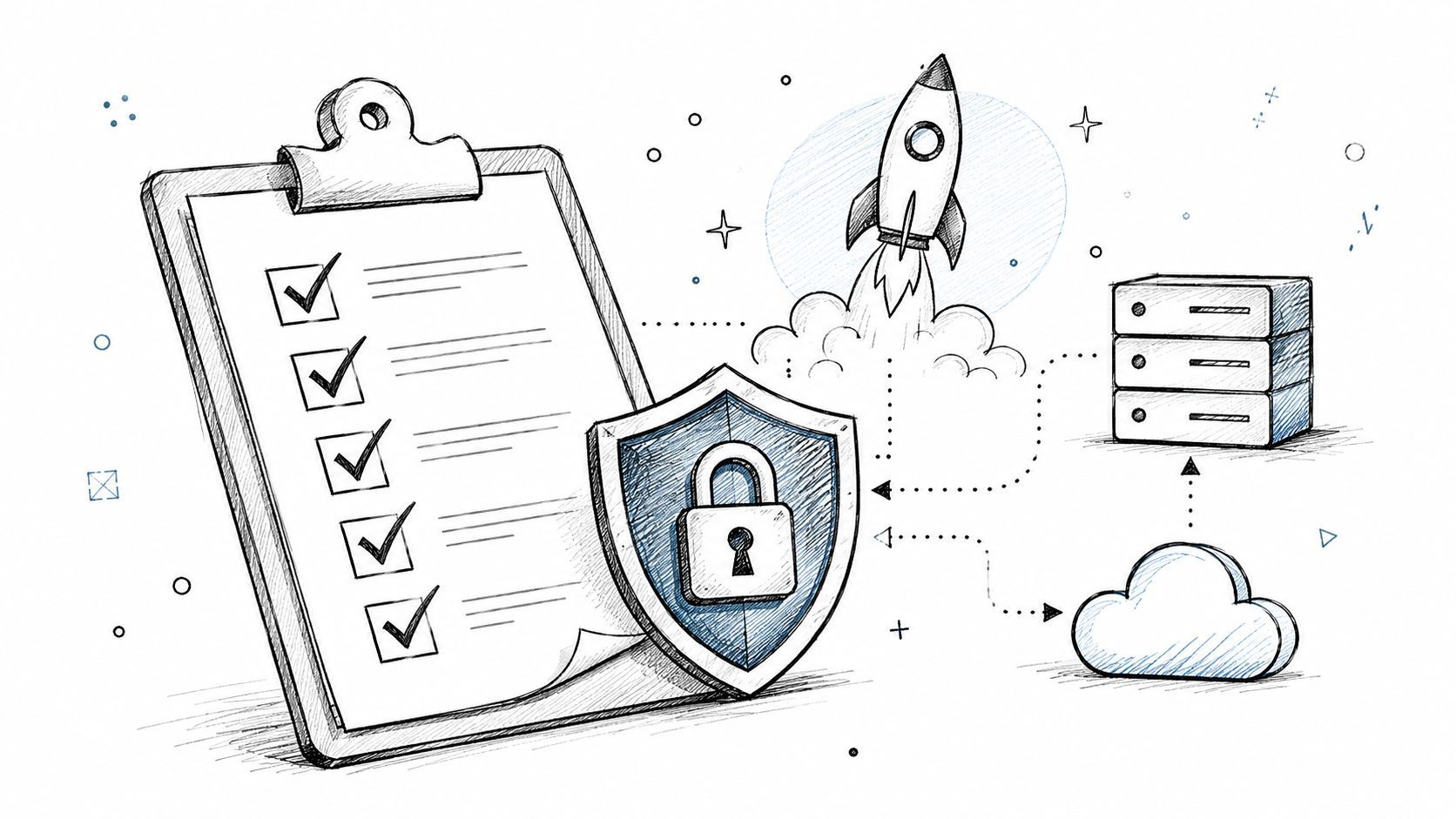
Launching a Kickstarter? Use our actionable GDPR requirements checklist to handle backer data & consent. Stay compliant in 2026 and build trust.
You're staring at a live crowdfunding campaign, backers are already asking about shipping, and one privacy misstep could turn a strong launch into a support nightmare. That's why a gdpr requirements checklist matters now, not later. For Kickstarter and Indiegogo creators, GDPR isn't a theoretical legal concern, it's part of how you collect pledges, run surveys, handle fulfillment, and keep backer trust intact. The good news is that the most important requirements can be organized into a practical workflow.
For creators, the challenge isn't memorizing legal language. It's making sure your campaign page, pledge manager, survey flow, vendor stack, and fulfillment process all tell the same story about what data you collect and why. A platform like PledgeBox helps because it gives you direct control over backer data in a Shopify-like way, while Kickstarter's pledge manager feels more like Amazon, where the creator has less direct control over the customer relationship. PledgeBox also makes it easy to send backer surveys for free, and it only charges 3% of upsell sales if there's any, which matters when you're trying to keep compliance practical instead of expensive.
Every GDPR program starts with one question, why are you collecting this data in the first place? The regulation recognizes six lawful bases for processing personal data, and your campaign needs a documented answer for each activity, not a hand-wave. For crowdfunding, the most common split is simple, consent for marketing and contractual necessity for reward fulfillment, shipping, and order handling, because backers expect you to use their data to deliver what they paid for. The operative rule is to match the legal basis to the actual use, not to whatever sounds convenient in the moment, and that decision needs to be recorded in your compliance file.
For a Kickstarter creator using PledgeBox, that usually means separating survey flows from fulfillment flows. A board game publisher may need shipping names and addresses to perform the contract, but the same backer shouldn't be treated as automatically opted in to promotional emails or future product announcements. PledgeBox's Shopify-like pledge manager model helps here because you can keep those data streams cleaner than in a marketplace-style setup, where customer data feels scattered across a platform you don't fully control.
A workable approach is to build a short lawful-basis register alongside your ROPA. Keep each line specific to the data activity, the purpose, and the legal ground you're relying on. When a hardware startup expands into a new region or launches a second campaign, that record should be reviewed again because the basis that worked for fulfillment may not support marketing or targeted upsells.
Practical rule: if the data is needed to deliver the reward, contract is usually the cleaner fit. If the data is used to promote something new, keep that separate and obtain explicit consent.
Use PledgeBox surveys to collect marketing opt-ins separately from shipping and reward details, and keep timestamps on those choices. That way, if a backer later questions why they received a message, you can show exactly when and how they opted in. For creators who test late backer upsells or post-campaign offers, that separation is what keeps the program defensible.
Your privacy policy has to do more than exist. It needs to tell a backer, in plain language, what you collect, why you collect it, who sees it, how long you keep it, and what rights they have. GDPR guidance emphasizes that the notice should be transparent and accessible, and it should cover the actual workflow, including pledge data, shipping details, survey responses, vendor access, and retention practices. A vague policy copied from another brand won't help if your real process involves campaign updates, add-on sales, or fulfillment across multiple vendors.
For crowdfunding creators, the privacy policy should match the campaign journey. If you're collecting addresses for international shipping, say that. If you're using survey responses to manage late backer add-ons, say that too. The strongest policies are the ones that line up with the exact touchpoints where data enters your system, which is why PledgeBox's centralized approach is useful. It gives you one place to align what the backer sees with what your team does.
The practical mistake I see most often is burying the policy in a footer and never updating it before launch. That breaks trust fast, especially when backers are completing surveys on mobile devices and want quick clarity before they submit their details.
You can make this easier by linking your policy directly from every data-collection point, including surveys and signup forms. PledgeBox's privacy policy page is a useful reference point for creators who want a cleaner baseline for campaign-specific disclosures, PledgeBox privacy policy.
Hardware campaigns often need an extra line about cross-border shipping and logistics. Publishers and agencies should be even more explicit, because they tend to run multiple campaigns and reuse the same vendor stack across clients. If your policy doesn't reflect that reality, it won't survive a serious backer question.
A pledge is not marketing consent. That distinction trips up a lot of creators, especially when a campaign is doing well and the temptation is to treat every backer as a future subscriber. GDPR doesn't allow that shortcut. Consent has to be explicit, informed, and freely given, and it needs to be separate from the act of backing the campaign. If you want to send product recommendations, promo messages, SMS updates, or launch announcements, you need a clear opt-in for each purpose.
PledgeBox is useful here because the backer survey can carry separate consent checkboxes, and the surveys are free to send, with only 3% charged on upsells if there's any. That makes it possible to build a consent flow without turning compliance into a billing headache. It also fits the Shopify-like model better than an Amazon-like pledge manager, because you're shaping a direct relationship with the backer instead of treating them like a passive transaction record.
A Kickstarter creator might want one box for campaign updates and another for future product launches. An Indiegogo hardware team may want separate consent for email and SMS, because each channel has its own expectation and risk profile. Keep the language specific, and never pre-check a box. If you're asking for permission to send product recommendations later, say exactly that.
Use records that show the moment consent was given. Timestamps matter, and so does the context in which the backer made the choice. That record becomes especially important if you later expand into a new market, add a new upsell flow, or switch email providers.
Keep the consent request narrow. The more categories you bundle together, the harder it is to show that the backer actually agreed to each one.
A practical setup is to let backers choose between campaign-only updates, promotional offers, and post-fulfillment product news. Board game publishers often need the clearest separation because their communities are engaged, but not every engaged buyer wants ongoing marketing. Hardware startups also need to be careful about post-fulfillment feedback emails, because that's still a marketing use unless you've made the purpose clear.
Backers can ask to see the personal data you hold about them, and you need a process that can answer without drama. In practical terms, that means you should be able to pull together pledge data, reward tier, shipping address, survey responses, communication history, and any upsell purchases into a complete response. A strong DSAR process is less about legal theatrics and more about internal organization, because the backer is asking for a copy of their data, not a debate.
PledgeBox helps because it centralizes backer records and supports downloadable reports. That matters when you're managing a campaign where the same person may have pledged, answered surveys, changed their address, and bought an add-on. If those pieces live in separate tools, your team wastes time reconciling them. With a cleaner data layout, the response is faster and the risk of missing something drops.
The operational trade-off is obvious. The more tools you use, the harder it is to answer a backer cleanly. That's why agencies and multi-campaign operators should map the access request process before launch, not after the first complaint arrives.
A practical DSAR workflow starts with a simple intake channel, usually a dedicated email address or form. From there, assign one person to verify the request, one person to gather the records, and one person to check that no other backer's data is accidentally included. For more complex campaigns, set an internal deadline well before the legal deadline so there's time to review the response before it goes out.
The response should be complete and readable. If the data lives in surveys, exports, support notes, and payment records, include it all in a way the backer can understand. For agencies, that often means keeping campaign-by-campaign logs, because a creator can ask for data from more than one project at the same time.
Useful habit: keep DSAR logs even when the request is small. A simple record of the request, the response date, and the data included will save time during audits and team handoffs.
Holding backer data forever is one of the easiest compliance mistakes to avoid and one of the most common to ignore. GDPR requires you to keep personal data only as long as necessary for the purpose you collected it. For creators, that means reward fulfillment data, shipping records, support conversations, and marketing contacts should each have their own retention logic. Payment records may need to stay longer for legal or tax reasons, but that doesn't give you a free pass to keep every email address or survey answer indefinitely.
PledgeBox's one-click erasure and privacy-first data isolation are useful because deletion becomes an actual workflow instead of a manual cleanup project. That's a big difference from a marketplace-style approach where old data can linger in scattered systems and backups. It also helps creators who run repeat campaigns, because stale backer lists often create more risk than value.
You do not need to overengineer this. You need to decide what has a business purpose, what has a legal purpose, and what should be removed once the purpose ends.
Kickstarter creators often keep survey data just long enough to complete fulfillment, then purge inactive addresses after the campaign is done. Board game publishers tend to need more structured archival because they may revisit campaign history later, but that doesn't mean they should keep active contact lists forever. Hardware teams should also document why any exception exists, because “we might need it someday” is not a retention policy.
If a backer asks for deletion, the request should trigger a defined cleanup process. If you're using PledgeBox, its erasure feature makes that easier to carry out without manually hunting through disconnected tools. The point is to remove unnecessary data from active systems while keeping only what law or dispute handling requires.
Every vendor that touches backer data becomes part of your compliance surface. That includes Stripe, PayPal, email services, shipping partners, fulfillment tools, and anything else that handles personal information on your behalf. GDPR expects you to have Data Processing Agreements in place with those processors, and those agreements need to say what data is used, how it's protected, where it goes, and what happens if something breaks.
For crowdfunding creators, vendor management is often messier than the legal issue itself. A campaign may start with one payment tool, add a shipping partner later, and then bring in an email platform for backer updates. If you don't keep those relationships documented, you'll lose track of who is responsible for what. PledgeBox's direct vendor model helps because the handoffs are more visible, and the pledge manager sits closer to the creator's control than a marketplace-style system.
The best practice is simple, get the paper trail before launch. A signed DPA after the campaign has already collected data is too late to be comfortable.
A strong vendor process includes a central register of every processor, the data they receive, and the reason they receive it. If a shipping partner needs addresses, document that. If an email provider sees campaign updates, say so in your privacy policy. If a vendor uses sub-processors, ask for that information too so you're not surprised by hidden data flows.
Rule of thumb: if a vendor can see backer data, treat it like part of your compliance stack, not just a convenience tool.
Agencies should be especially strict here because they often repeat the same vendor setup across multiple clients. Hardware startups doing international fulfillment should also be careful, because shipping partners and logistics providers often sit further from the campaign team than the payment processor does. Keep the agreements in one place, review them regularly, and remove tools you no longer use.
The right to erasure is not the same as routine data cleanup. A backer can ask you to delete their personal data even before your retention window ends, unless you have a legal reason to keep it. That means you need a process that identifies what can be removed, what must remain, and what needs to be passed to vendors for matching deletion. Contact details, shipping addresses, survey responses, and upsell history all fall into the request if they're tied to the person asking.
PledgeBox's one-click erasure feature makes this much more manageable, especially when backers come back after fulfillment and want their records removed. The Shopify-like model is useful here because you're not trying to trace data through a marketplace maze. You're dealing with a direct system where the delete request can be carried out in a more controlled way.
The trade-off is that deletion is never purely technical. You still have to check whether tax records, legal disputes, or fraud concerns justify keeping part of the record. If they do, document the exception clearly so the team understands why the data remains.
A good erasure workflow starts by verifying the requester. After that, remove or anonymize the personal data you can, and contact third-party vendors so they can match the deletion on their side. For creators using multiple tools, that step matters just as much as the internal deletion itself.
Keep a note of what was deleted and what was retained, along with the reason. That record protects you later if a backer asks why one piece of information still exists. It also helps agencies and publishers handle repeat requests consistently across campaigns.
If you want the process to stay sane, make the request path easy, the review path documented, and the deletion path repeatable. That's the difference between a controlled compliance process and a support thread that keeps reopening itself.
A breach response plan has to work under pressure, because GDPR gives you a 72-hour notification window once you become aware of a personal data breach, unless the breach is unlikely to create a risk to individuals' rights and freedoms. That rule is one of the clearest operational checkpoints in the framework, and it forces security, legal, and privacy decisions to happen fast. For crowdfunding teams, the practical meaning is simple, you need to know who investigates, who decides, and who communicates before anything goes wrong.
The breach itself can come from hacking, employee error, or a vendor compromise. That makes campaign data especially sensitive, because backer details often move through payment systems, survey tools, email platforms, and shipping partners. PledgeBox's privacy-first data isolation helps reduce the blast radius, but it doesn't remove the need for a documented response plan. For a creator, the value is speed and clarity when a problem hits.
You should already know where your incident notes live, how to assess what data was exposed, and which supervisory authority you'd report to if needed. If you're using a structured response plan, you're less likely to lose time arguing about process during the incident itself. See the PledgeBox data breach response plan for a practical reference point on organizing those steps.
Practical rule: don't wait for perfect facts before starting the incident log. Start with what you know, then update it as the investigation develops.
The strongest plans include notification templates and a clear escalation chain. Agencies managing multiple campaigns need this even more than solo creators, because one incident can span several client accounts at once. Keep the plan simple enough that a real team can use it under stress, not just file it away for an audit.
If your campaign collects data from EU or EEA backers, or if you use vendors outside the EU, you have to think about transfer rules early. GDPR applies to organizations anywhere in the world when they collect, store, or process personal data belonging to EU or EEA residents. That means a US-based creator, a Canadian agency, or an Asian fulfillment partner can still fall under the regulation as soon as EU resident data enters the workflow.
The practical issue is not just whether data moves across borders, but whether it moves with the right safeguards. Standard Contractual Clauses are the most common tool creators will encounter, especially with US-based payment, email, and fulfillment vendors. For crowdfunding teams, the task is to make the transfer visible in the privacy notice and confirm the vendor paperwork reflects the same route. PledgeBox's direct vendor model is useful because it makes those transfer relationships easier to document than a looser marketplace-style setup.
If your campaign uses Stripe, PayPal, or a non-EU email provider, verify the transfer mechanism before the campaign goes live. Don't assume the vendor has handled it in a way that fits your specific data flow.
A privacy notice should say where data goes and why it goes there. A vendor file should show which processor receives the data and under what safeguards. If you're transferring backer addresses to a non-EU fulfillment center, write that down in language a backer can understand.
Creators often forget that international shipping turns into international data transfer as soon as addresses are shared with a third party. Board game publishers and hardware startups are especially exposed because fulfillment chains can involve several countries. That's why transfer checks should happen before launch, not after the first overseas backer complains.
A Data Protection Impact Assessment is worth doing whenever the data use is likely to be high-risk. For crowdfunding, that often means large-scale backer collection, international shipping, payment handling, or any kind of profiling for upsell targeting. GDPR expects you to examine the necessity and proportionality of the processing, identify the risks, and document the measures that reduce those risks. Even when a campaign doesn't strictly require a formal DPIA, doing one gives you a stronger record of diligence.
PledgeBox's privacy-first architecture fits this mindset because privacy by design is built into the platform rather than patched on afterward. One-click erasure, isolated data handling, and structured survey flows make it easier to think about compliance before data starts moving. The relevant point for creators is simple, if the workflow looks risky on paper, don't wait for a complaint to discover the weak spot.
The best DPIAs are not giant legal binders. They are concise project records that show the team thought through the actual campaign.
Document what data is collected, who will access it, where it is stored, and which vendors will see it. Then note the risks, such as overcollection, accidental disclosure, or weak retention. If the campaign uses personalized upsells, explain why that feature is needed and what safeguards exist for consent and access control.
For agencies, a reusable DPIA template can save time across clients, but it still needs campaign-specific details. Hardware startups launching globally should be especially disciplined here because shipping, support, and payment data often travel together. Review the assessment before launch, then update it if the data flow changes.
Read more about PledgeBox best practices for data security if you want a practical reference for building privacy controls into campaign operations.
| Item | Implementation Complexity 🔄 | Resource Requirements ⚡ | Expected Outcomes ⭐ | Ideal Use Cases 📊 | Key Advantages / Tips 💡 |
|---|---|---|---|---|---|
| Lawful Basis for Data Processing | Medium, mapping legal grounds per purpose and documenting 🔄 | Medium, legal review and record-keeping ⚡ | Defensible compliance; clearer consent vs transactional separation ⭐ | Campaigns combining marketing and fulfillment; multi-jurisdiction launches 📊 | Document basis per activity; distinguish consent vs contractual; keep timestamps 💡 |
| Privacy Policy & Data Collection Transparency | Medium, draft, localize, and update regularly 🔄 | Low–Medium, content creation and publication ⚡ | Increased trust and fewer inquiries; clearer disclosures ⭐ | Any campaign collecting pledges, shipping, or survey data 📊 | Use plain language; link at collection points; update pre-launch 💡 |
| Explicit Consent for Marketing Communications | Low–Medium, implement opt‑in flows and audit trails 🔄 | Low, survey checkboxes and preference center ⚡ | Higher engagement; fewer spam complaints; compliant marketing lists ⭐ | Campaigns building mailing lists or running promotions 📊 | Use unchecked opt‑ins; granular choices; record timestamps and IPs 💡 |
| Right to Access & DSARs | Medium, request handling workflow and exports 🔄 | Medium, staff time, reporting tools, coordination ⚡ | Timely regulator‑compliant responses; transparency to backers ⭐ | Projects with large backer bases or multiple campaigns 📊 | Create simple DSAR intake; use centralized exports; set 20‑day internal deadline 💡 |
| Data Retention & Deletion Policies | Low–Medium, define schedules and automate deletions 🔄 | Low–Medium, configuration and automation rules ⚡ | Reduced breach risk and storage cost; audit-ready retention rationale ⭐ | Long-running campaigns; tax/legal retention scenarios 📊 | Set retention per data type; automate reminders at 80% of window 💡 |
| Data Processing Agreements & Third‑Party Vendors | High, negotiate DPAs and manage sub‑processors 🔄 | High, legal review, vendor audits, ongoing monitoring ⚡ | Clear accountability and reduced vendor liability; demonstrable due diligence ⭐ | Use of payment processors, shipping/logistics, email providers 📊 | Collect DPAs before launch; maintain centralized library; audit annually 💡 |
| Right to Erasure ('Right to Be Forgotten') | Low–Medium, verification, deletion workflows, vendor follow‑up 🔄 | Low–Medium, one‑click tools plus vendor coordination ⚡ | Strong privacy posture; increased backer confidence ⭐ | Post‑fulfillment deletion requests; privacy‑focused campaigns 📊 | Verify request authenticity; document legal exceptions; notify vendors 💡 |
| Data Breach Notification Procedures | High, incident response, fast decision chains, documentation 🔄 | High, incident team, forensics, communications, legal support ⚡ | Faster regulator notifications; mitigated penalties and reputational damage ⭐ | Systems handling payments, large personal datasets, or vendor integrations 📊 | Prepare templates; identify regulator contacts; run tabletop exercises regularly 💡 |
| Cross‑Border Data Transfer Compliance | High, SCCs, TIAs, adequacy checks and ongoing reassessment 🔄 | High, legal support and vendor verification ⚡ | Enables safe international operations with documented safeguards ⭐ | Global campaigns using non‑EU vendors (payments, fulfillment) 📊 | Obtain SCCs; document transfers in privacy policy; perform Transfer Impact Assessments 💡 |
| DPIAs & Privacy by Design | High, formal risk assessments and technical/organizational controls 🔄 | Medium–High, cross‑functional time and technical implementation ⚡ | Early risk mitigation; regulator‑ready documentation; privacy built into systems ⭐ | Large‑scale data processing, profiling, or vulnerable data handling 📊 | Use DPIA templates; involve legal/tech/ops; store DPIA reports for inspection 💡 |
GDPR compliance is not just a legal obligation, it's a trust signal. Backers notice when a creator handles data clearly, asks for consent properly, and responds quickly when someone wants access or deletion. That matters even more in crowdfunding, where the relationship is built on transparency long before fulfillment begins. A creator who gets privacy right looks more organized, more credible, and more prepared to deliver.
A good gdpr requirements checklist gives you that structure. It helps you move from vague concern to a working system for lawful processing, clear disclosures, documented vendor relationships, retention discipline, breach response, and data subject requests. The strongest campaigns treat these controls like part of the operating model, not as paperwork after the fact. That's especially true for Kickstarter and Indiegogo creators, where surveys, add-ons, shipping, and marketing all rely on the same underlying backer data.
PledgeBox fits that model because it's built for creators who want direct control over their backer relationships. Its Shopify-like pledge manager approach is easier to align with GDPR than a marketplace-style setup, and the platform's privacy-first data handling, free backer surveys, and one-click erasure make the checklist easier to execute in real campaigns. Since it only charges 3% on upsells from surveys, you can keep compliance and monetization connected instead of treating them as separate problems. If you're building or refining a campaign, use this checklist to tighten your process, reduce risk, and protect the backer trust that keeps your project moving forward.
If you're ready to make your pledge flow cleaner, your surveys easier to manage, and your GDPR process more defensible, take a look at PledgeBox. It gives crowdfunding creators a practical way to handle backer data, consent, surveys, and fulfillment in one place, so compliance feels operational instead of overwhelming.
PledgeBox
The All-in-One Toolkit to Launch, Manage & Scale Your Kickstarter / Indiegogo Campaign