 PledgeBox
A Creator's Guide to Crowdfunding Board Games
Launch a successful campaign for crowdfunding board games. Learn pre-launch community building, campaign design, fulfillment, and post-campaign strategy.
Launch a successful campaign for crowdfunding board games. Learn pre-launch community building, campaign design, fulfillment, and post-campaign strategy.
The secret to a killer crowdfunding campaign? It’s all in the prep work. The magic you see on launch day—that massive funding total, the buzz, the excitement—doesn't just happen. It’s the result of months of hard work, long before anyone has a chance to click "Back this project."
Those campaigns that look like an overnight success are almost always built on a solid pre-launch foundation. It’s not luck; it’s a deliberate, methodical process.
That incredible first-day funding surge is powerful, but it doesn't appear out of thin air. It’s something you earn through focused effort in two key areas: polishing your game until it shines and building a community that’s genuinely excited to support you. If you skimp on either, your campaign can lose steam before it even gets going.
A great idea for a game is just that—an idea. The real work starts when you get it to the table for playtesting. This is where you find out if your concept can stand up to reality. It's about way more than just fixing broken rules; you’re honing the entire player experience until it feels smooth, engaging, and just plain fun.
Before you can ask for a single dollar, your game has to feel like a complete, thought-out experience. That means getting it in front of people who aren’t your friends and family—you need honest, unfiltered feedback from strangers who are your ideal players.
This whole pre-launch flow is really about moving from product refinement to community building before you even think about hitting that launch button.
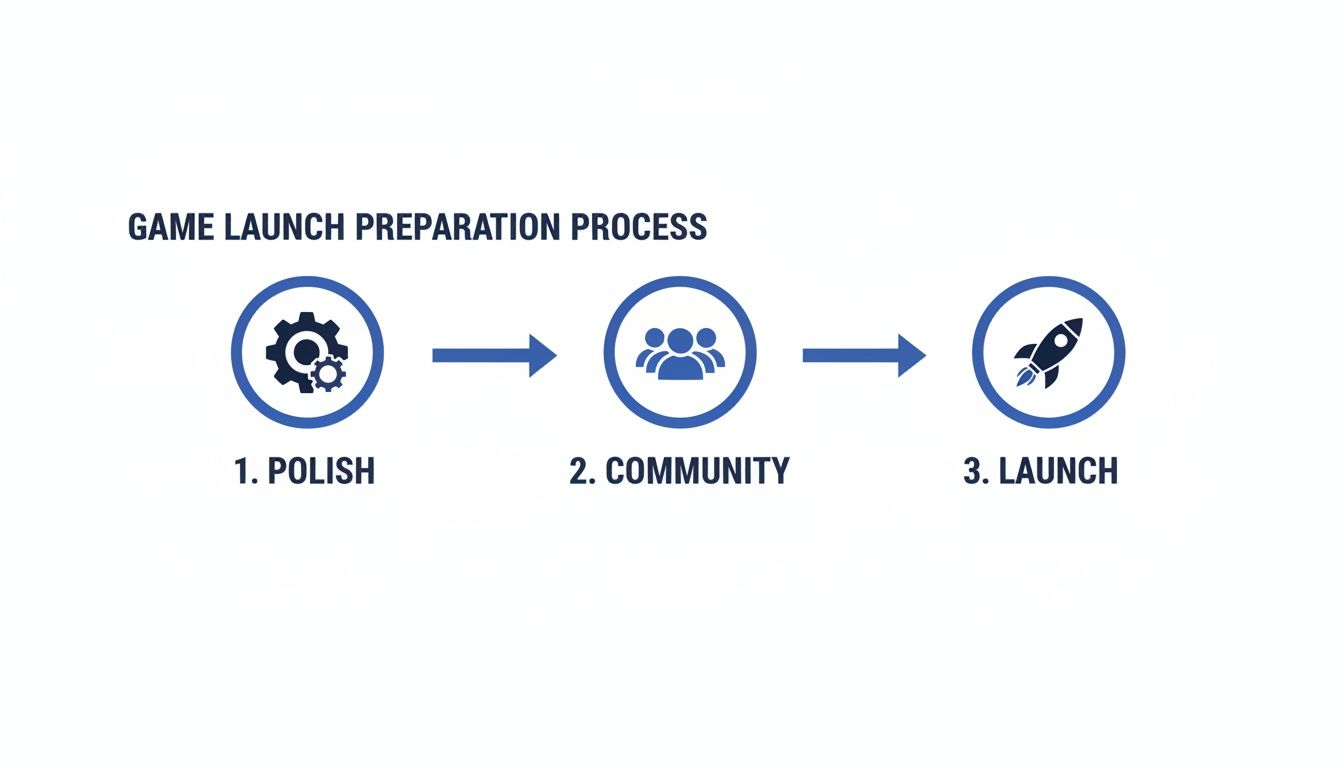
As you can see, polishing the game and building a community aren't just suggestions; they are the essential, foundational steps you have to take for a successful launch.
Having a fantastic game without an audience is like throwing a party and forgetting to send invitations. Building a community isn’t just marketing speak; it's about finding your tribe—the people who will champion your project from day one. You need to start this process at least three to six months before you plan to go live.
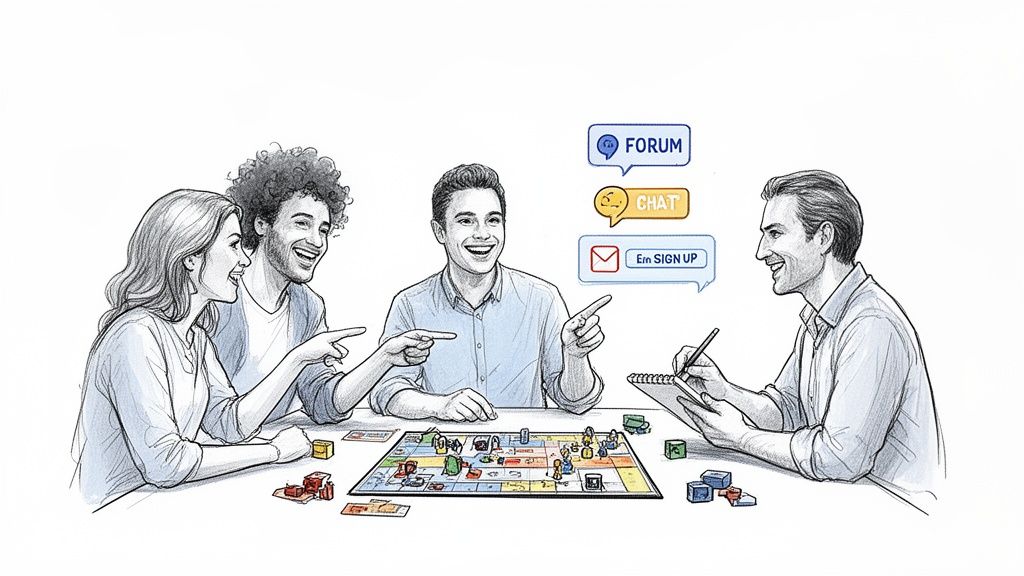
Your first and most important tool is a simple landing page. All you need is a page that shows off your game's art, explains the core concept, and has a big, obvious email signup form. Every single email address you collect is a potential day-one backer.
From there, you need to go where board gamers hang out.
"The golden rule of community building is to provide value before you ask for anything. Share your design journey, ask for opinions on artwork, and celebrate the hobby. Become a member of the community, not just a marketer to it."
Set up shop on the platforms where your people are. Start a Discord server for direct chats, share development progress in relevant Facebook groups, and keep a work-in-progress thread going on BoardGameGeek. As you flesh out your campaign plans, you might even think about how different types of campaign merchandise could make for some really cool reward tiers or stretch goals. Being present, consistent, and authentic across these channels is what builds the trust and hype you need for a monster launch day.
Think of your campaign page as your digital storefront. It’s where you make your pitch, tell your story, and turn casual browsers into loyal backers. This page is arguably the most critical piece of your entire campaign—it has to do all the heavy lifting to convince someone your game is worth their money.
A great page doesn’t just list features; it pulls people into the world you've built. The flow needs to be intuitive. You want to start strong with a killer video, show off crisp photos of the game in action, and use clear, scannable text to guide backers through the important details. Most people skim, so make your key info pop with headlines, bullet points, and even some well-placed GIFs.
Every good board game tells a story, and so should your campaign. I'm not just talking about the game's lore, but the story of how it came to be. Why did you create this game? What late nights and tough challenges did you push through? Sharing that behind-the-scenes journey forges a real connection with potential backers.
That personal touch builds a foundation of trust. It makes backers feel like they're investing in you and your dream, not just buying a product. In the crowded board game market, that connection is everything.
Board games have seen huge success on crowdfunding platforms—Kickstarter alone has raised over $778 million for games since 2009. But the average success rate is only 41.98%. Backers consistently say that a creator’s responsiveness (67%) and fair reward pricing are far more important than stretch goals or a creator’s track record.
Your reward tiers are the engine of your funding. They need to be simple, clear, and offer undeniable value. Don't overwhelm people with a dozen different options—it just creates analysis paralysis. The most successful crowdfunding board games usually stick to a few well-defined tiers.
Remember, the goal of your tiers is to make the decision to upgrade feel like a no-brainer. Clearly show the extra value backers get by moving from one level to the next.
For a deeper dive into structuring your page and rewards for maximum impact, take a look at these Kickstarter campaign page design tips. It's packed with practical strategies.
That funding goal isn't just a number you pull out of thin air. It’s a carefully calculated target that guarantees you can actually manufacture and deliver your game to every single backer. Aim too high, and you risk a failed campaign. Aim too low, and you could find yourself underwater when unexpected costs pop up.
Your math needs to cover all the bases:
Being transparent about your costs helps build trust. Backers respect creators who have done their homework and have a solid plan. Nailing down your budget now is what sets you up for a smooth fulfillment process later on.
To help you get started, here's a simplified look at how a budget might break down. Keep in mind that these are just estimates, and your own numbers will vary based on your game's complexity, component quality, and manufacturer.
| Expense Category | Estimated Cost Percentage | Notes & Considerations |
|---|---|---|
| Manufacturing & Prototyping | 25-35% | Your biggest variable. Get multiple quotes. Includes the cost of review copies and final prototypes. |
| Freight & Fulfillment | 20-30% | Covers shipping from factory to warehouse and from warehouse to backers. Rates can fluctuate wildly. |
| Marketing & Advertising | 10-15% | Pre-launch ads, live campaign promotion, and influencer outreach. Essential for driving traffic. |
| Platform & Payment Fees | 8-10% | Standard cut for platforms like Kickstarter/Indigogo and payment processors like Stripe. |
| Art & Graphic Design | 5-10% | Covers box art, card layouts, rulebook design, and campaign page graphics. Don't skimp here! |
| Contingency Fund | 10-15% | Your safety net for unexpected delays, manufacturing errors, or increased shipping costs. Do not skip this. |
This budget gives you a solid framework for planning. Once you have real quotes from vendors, you can plug in your own numbers to get a much clearer picture of the funding goal you'll need to hit to bring your game to life.
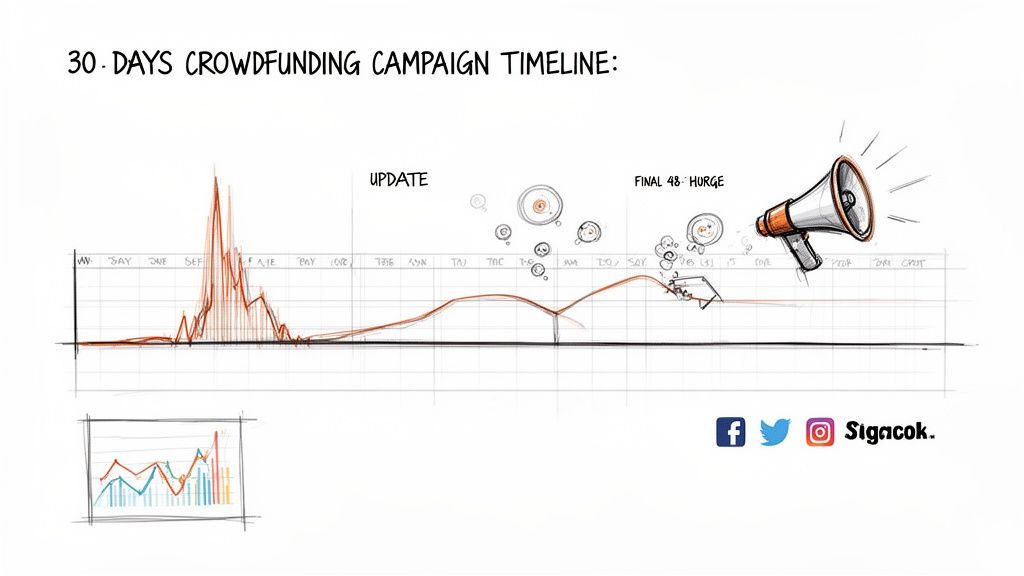
Your campaign is finally live. After all those months of hard work, the 30-day funding clock is officially ticking. Getting a massive first day is an incredible feeling, but the real test in crowdfunding board games is keeping that energy going and turning that initial excitement into sustained momentum.
You'll almost certainly see a huge surge of backers from your pre-launch community in the first 48 hours, but then things will slow down. Don't panic—this is completely normal. Your job now is to pivot from activating your existing community to reaching a much broader audience, all while keeping your current backers excited and engaged.
Think of your project updates as more than just announcements. They are your direct line to your most passionate supporters. Used correctly, they can transform casual backers into genuine advocates for your game.
Consistent, high-quality updates show that you're an active, professional, and reliable creator. I recommend posting a new update every 2-3 days to keep your project visible in your backers' feeds and at the top of their minds.
Your early backers are the foundation of your campaign, but you can't hit those big stretch goals without reaching new people. This is where you need a smart outreach plan that brings together social media, influencer marketing, and maybe even some paid ads to find gamers who have never heard of you.
Start by being incredibly active on your social media channels. Share daily snippets, engage with every comment and question you get, and run simple giveaways to get more shares. High-quality photos and short, punchy gameplay GIFs are your best friends here—make them easy to share!
Beyond your own efforts, getting your game in front of established voices in the board game world is critical. You should be reaching out to reviewers and content creators who cover games like yours long before you launch. This gives them enough time to actually play the game and create their content. A single great review from a trusted creator can send a flood of new backers your way.
The mid-campaign slump is real, but it's not a death sentence. It's a signal to pivot your strategy from relying on your initial email list to actively seeking out new traffic sources through influencers and targeted ads.
This is usually the point where creators start thinking about paid advertising. Platforms like Facebook and BoardGameGeek let you get your game in front of users with very specific tabletop gaming interests. My advice? Start with a small, controlled budget. Test a few different ads and audiences to see what works before you even think about scaling up your ad spend.
Your campaign dashboard is your mission control. It's packed with data about who is backing your project and, more importantly, where they're coming from. Watching these numbers closely means you can make informed decisions instead of just guessing what's working.
Check out your top traffic sources. Is one specific reviewer sending a wave of pledges? Promote their content everywhere. Is a particular Facebook ad knocking it out of the park? Put more of your budget behind it. If you see that your main video is getting tons of plays but not many people are pledging, it might be a sign that your pledge levels are confusing or your shipping costs are scaring people away.
The last two days of a campaign are wild. They often bring in a massive rush of pledges, sometimes even matching what you raised in the first 48 hours. This happens because Kickstarter sends a reminder email to everyone who "starred" your project but hasn't backed it yet.
To make the most of this, you need to crank up the urgency and excitement.
This final push is your last opportunity to maximize your funding. A strong finish doesn't just feel great—it sets you up for a much smoother transition into the all-important post-campaign fulfillment phase.
That moment the campaign clock hits zero is pure magic. You did it! But after the celebration, you're standing at the starting line of the next marathon: fulfillment. This is where the real operational work kicks in, turning all those digital pledges into physical games arriving on doorsteps worldwide.
Your command center for this entire phase is your pledge manager. This is the software that bridges the gap between a funded campaign and a delivered product. It’s how you’ll collect backer info, manage add-ons, tackle complex shipping costs, and organize all the data for your fulfillment partners.
Kickstarter does have a built-in survey tool, and for a super simple project—say, one reward tier with no extras—it might just be enough. It’s functional for grabbing mailing addresses and basic choices. Think of it as a bare-bones checkout page; it gets the job done, but that’s about it.
But let’s be real, modern crowdfunding board games are rarely that simple. We’re talking multiple add-ons, complicated shipping rates for different countries, and the need to collect VAT or sales tax. Trying to manage all that with Kickstarter’s basic survey is a one-way ticket to spreadsheet hell. This is where a dedicated pledge manager becomes a creator’s best friend.
A dedicated tool like PledgeBox is less like a basic form and more like your own pop-up Shopify store. It gives you the power to create a polished, branded, and user-friendly experience for your backers that feels like a seamless extension of your campaign.
The post-campaign phase is your last, best chance to interact with your backers before they receive their game. A smooth, professional survey experience builds confidence and sets the stage for a positive final impression.
With this level of control, you can easily handle the tricky logistics of a modern board game project. You can set up detailed shipping tables, accurately calculate regional taxes, and give backers an easy way to add more to their pledge.
This might be the biggest reason to go with a dedicated pledge manager: it can make you more money after the campaign is over. The native Kickstarter survey is just for collecting data; it has no way to handle upsells or accept new payments.
That's a huge missed opportunity. A powerful pledge manager lets you:
As the tabletop crowdfunding world gets more crowded, having these post-campaign tools isn't just a nice-to-have; it's essential. For creators using systems like PledgeBox, features like branded surveys and upsell add-ons are key for bringing in extra revenue from late pledges and maximizing your project's financial success.
The power to upsell is great, but many creators get nervous about adding another tool and another expense to their budget. That’s why the business model of your pledge manager is such a critical factor.
The PledgeBox model, for instance, is designed to be completely risk-free for creators. It is always free to send the backer survey to collect addresses and manage your existing pledges. The platform only takes a small 3% fee on new funds raised through upsells and late pledges.
This means you pay absolutely nothing to use the core features for survey and fulfillment management. You only share a tiny piece of the extra money you make after the Kickstarter campaign has ended.
This approach flips the script, turning the pledge manager from a campaign cost into a revenue-generating tool with zero upfront risk. It’s a low-risk, high-reward way to boost your total funding long after the campaign clock runs out. Making the right choice is a key step, and you can learn more by exploring this guide on how to select the right pledge manager for your project's specific needs.
This is it. The final, most critical chapter of your crowdfunding story: getting your game into your backers' hands. How you handle this stage—from the factory floor to their front door—is what separates the one-hit wonders from the creators who build a loyal following for years to come. It’s a logistical dance, and every step matters.
The whole process kicks off with one simple but vital task: collecting accurate info from your backers. This is where a powerful pledge manager like PledgeBox becomes your best friend. You need correct shipping addresses, confirmed reward choices, and a way to handle all those last-minute add-ons. A clean, professional survey experience is the first sign to your backers that you've got this under control.
Think of your backer survey as the concrete foundation for your entire fulfillment operation. One crack here—one wrong address or confusing question—and the whole structure can come crumbling down later. Your mission is to make this process completely foolproof for your backers and incredibly data-rich for you.
With PledgeBox, you can build surveys that perfectly mirror your campaign's complexity. You can set up specific questions for different pledge levels, give backers a chance to upgrade their pledge, and even open a simple storefront for anyone who wants to grab an extra copy or an expansion. The goal is to make it dead simple for backers to confirm their details and pay for shipping without any head-scratching.
I’ve seen it happen time and again: the biggest fulfillment nightmares almost always start with bad data. A system with built-in address validation and smart, conditional logic in your surveys can wipe out 90% of potential shipping headaches before they even begin.
Here’s a huge plus: PledgeBox is always free to send the backer survey. You can get all the crucial information you need without paying a dime upfront. The platform only takes a small 3% fee on new revenue you bring in through upsells. This basically turns your survey into a risk-free way to bump up your final funding total.
I can’t stress this enough: messing up your shipping and tax calculations is the fastest way to turn a profitable campaign into a financial disaster. What looks like a tiny mistake—just a few dollars per backer—can snowball into a budget-breaking shortfall when you’re dealing with thousands of packages going all over the world.
You absolutely must create detailed shipping tables that account for every region and package weight. The cost to ship to Singapore is wildly different from shipping to Germany or rural Canada. Your pledge manager needs to handle this complexity on autopilot, applying the right rate based on where the backer lives and the final weight of their order.
If you want to dive deeper into the nitty-gritty of costs and logistics, our guide on https://www.pledgebox.com/post/board-game-shipping is a great place to start.
Once you have clean, accurate order data, it’s time to bring in the pros who will actually make and ship your game. Your choice of a manufacturer and a fulfillment center will define the physical quality of your game and the happiness of your backers. You need to vet these partners thoroughly, long before your campaign even wraps up.
Getting a handle on how to select a logistics partner is a key skill. You can find some great advice on Finding the Best 3PL to manage your post-campaign shipping. These companies run on data, and they’ll need clean export files from your pledge manager to do their jobs right. A solid pledge manager lets you generate custom spreadsheets that match the exact format your fulfillment center needs, which cuts out tedious manual work and kills the risk of human error.
To highlight the importance of using the right tool, let's compare the options available to a Kickstarter creator.
| Feature | Standard Kickstarter Surveys | PledgeBox Pledge Manager |
|---|---|---|
| Upsells & Add-Ons | No, requires manual workarounds | Yes, fully integrated storefront |
| Shipping Calculation | Basic, manual rates per country | Advanced, based on weight & region |
| Address Validation | No | Yes, helps prevent errors |
| Automated VAT/Tax | No | Yes, calculates for UK/EU & others |
| Backer Support | Creator handles all survey issues | Dedicated support team for backers |
| Data Exports | Basic CSV file | Customizable, partner-ready exports |
Ultimately, using Kickstarter's built-in survey is a bit like using a basic, one-size-fits-all tool—it gets the simplest jobs done. But a dedicated pledge manager like PledgeBox is more like having a full, professional toolkit. It gives you the control, customization, and powerful features you need to manage a complex global operation, from boosting revenue with upsells to handling intricate international shipping. That control isn't a luxury; it's essential for a smooth delivery that keeps your backers happy and protects your bottom line.
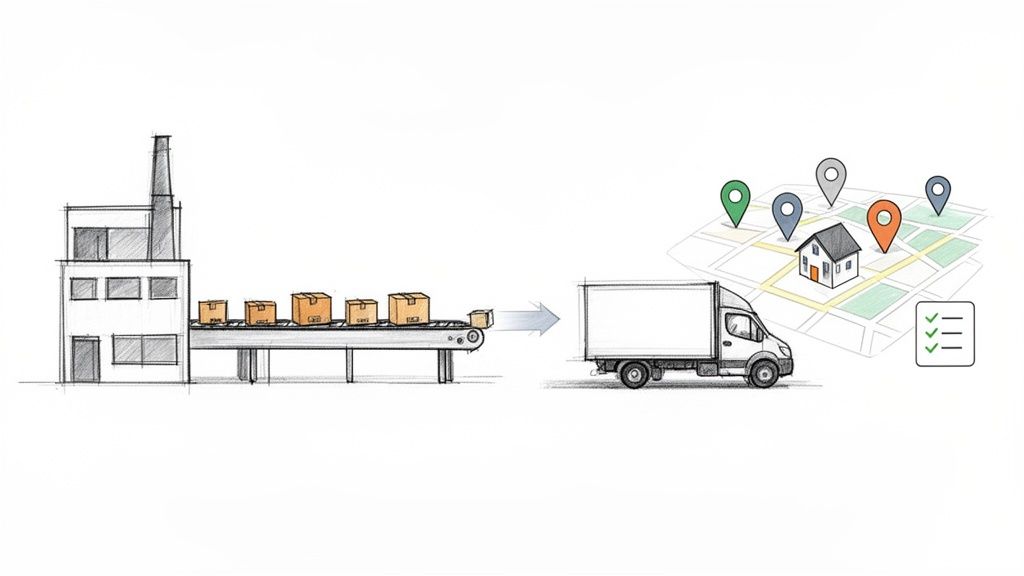
Jumping into the world of crowdfunding board games can feel like learning a whole new language, with questions popping up at every turn. Let's clear up some of the most common ones we hear from creators just like you.
This is always the million-dollar question, isn't it? The honest answer is that your funding potential is directly tied to the work you do before you launch. It all comes down to the size and engagement of the community you’ve built.
A project with a few hundred dedicated email subscribers might be perfect for funding a small-run card game. On the other hand, if you've gathered an audience of 10,000+ engaged fans, aiming for a six-figure goal on a big box, miniature-heavy game becomes a realistic target.
It's not magic; it’s just math. A solid rule of thumb is to expect 1-3% of your email list to convert into backers on day one. Dig into successful campaigns in your niche to get a feel for what’s possible and set a baseline for your own funding goal.
Let me put it this way: if your project has anything more complex than one reward tier with a single shipping price, the answer is a hard yes. Trying to juggle add-ons, regional shipping zones, and VAT calculations in a spreadsheet is a one-way ticket to costly mistakes and a massive headache.
Think of a pledge manager as your post-campaign command center. It’s where you’ll collect shipping addresses, handle complex fees, and give backers an easy way to upgrade their pledge or buy more stuff.
Relying on Kickstarter's built-in survey system is like running a basic stall on Amazon—it's incredibly limited. A dedicated tool like PledgeBox is more like having your own Shopify store. You get total control over the backer experience, powerful tools to boost your final funding total, and a system built for customization.
Here's the best part: PledgeBox is free to send the backer survey. You can gather all the essential data you need with zero upfront cost. The platform only takes a 3% cut of the revenue from upsells, which means it’s a totally risk-free tool that can only add to your bottom line.
Shipping and international taxes are the silent killers of crowdfunding dreams. Get this wrong, and you can wipe out your profit margin overnight. The secret is to plan for it from day one.
Seriously, undercharging for shipping is one of the most common and devastating mistakes a new creator can make. Treat it like a core component of your budget, not an afterthought.
Ready to take control of your post-campaign chaos and boost your funding? PledgeBox gives you powerful, easy-to-use tools to manage your backers, automate shipping and tax, and drive extra revenue with upsells—all with no upfront cost. Start your free account today!
PledgeBox
The All-in-One Toolkit to Launch, Manage & Scale Your Kickstarter / Indiegogo Campaign