 PledgeBox
10 Contingency Planning Strategies for Crowdfunding Success
10 contingency planning strategies for crowdfunding creators—production, fulfillment, finance, and more. Ship rewards without panic in 2026.
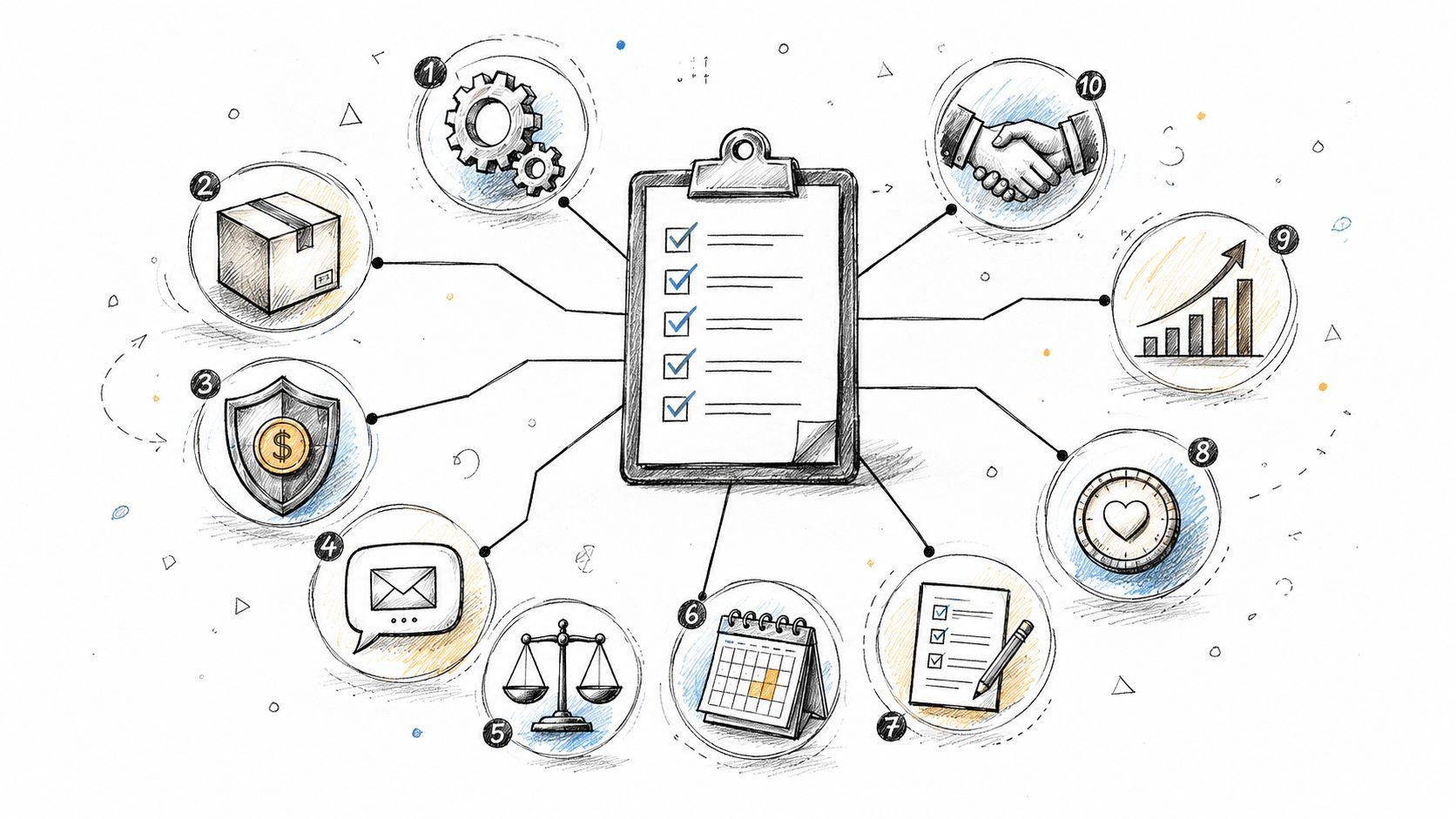
10 contingency planning strategies for crowdfunding creators—production, fulfillment, finance, and more. Ship rewards without panic in 2026.
You're three weeks from launch, the prototype finally looks real, and then the message hits your inbox. Your sole manufacturer is shutting down mid-fulfillment, or a key supplier can't ship on time, and suddenly every promise on the campaign page looks fragile. That's the moment contingency planning stops being a corporate buzzword and becomes cheap insurance for your backers, your cash flow, and your reputation.
In crowdfunding, a contingency is a pre-decided response for what happens when the plan breaks. It covers production, fulfillment, finance, and communication, because those are the four places campaigns usually feel the pain first. The strongest plans don't just say “we'll handle it.” They define triggers, alternate workflows, and who makes the call when a risk turns real, which lines up with NIST's contingency planning model for measurable recovery targets like MTD, RTO, RPO, and WRT in its contingency planning framework.
The list below is built as a phase-by-phase operating manual, from pre-launch to post-campaign. If you're running a hardware drop, a board game campaign, or a fulfillment-heavy creator business, these contingency planning strategies give you a practical way to keep the launch moving when something goes sideways.
A campaign without a risk map is waiting for the first surprise to set the schedule. A simple matrix that scores each threat by likelihood and impact gives you a clear order of operations before launch, so the team knows what to fix first instead of guessing when the pressure starts.
For crowdfunding, the usual buckets are manufacturing delays, payment processing issues, backer communication failures, and fulfillment bottlenecks. A hardware team may flag component shortages before the factory quote is final. A board game publisher may track international shipping risk separately from print risk, because those failures show up at different points and need different fixes. If you manage multiple clients, one shared matrix also keeps the same problem from being rediscovered by three different people in the same week.
Use the matrix as a live working file, not a one-time checklist. NIST's model calls for a business impact analysis, risk assessment, and preventive controls, then documentation and testing so recovery targets stay measurable instead of theoretical. That mindset fits crowdfunding too. Keep the matrix in a shared spreadsheet, update it when campaign conditions shift, and review it with the full team, including the people answering customer emails and the people handling logistics.
For campaign-specific visibility, pair that review with this overview of common crowdfunding risks and use your analytics dashboard to catch warning signs early. If engagement drops, shipping questions spike, or a reward tier starts drawing odd support patterns, those are signals worth logging, not background noise.
Practical rule: if a risk can stop fulfillment, delay delivery, or create a support backlog, it belongs in the matrix before launch, not after the first complaint.
Single-vendor dependence is the fastest way to turn a good campaign into a hostage situation. If your only manufacturer misses a deadline, or your only freight partner can't absorb volume, you don't have a contingency plan. You have a hope.
The fix is vendor diversification. Keep backup relationships with manufacturers, print shops, packout partners, and logistics providers so you're not rebuilding your supply chain in the middle of a crisis. A gadget startup might keep factories in more than one country. A tabletop publisher might keep alternate printers warm for the next run. An agency managing campaigns across regions might maintain backup fulfillment partners that can step in by geography.
The trade-off is obvious. More vendors mean more coordination, more spec sheets, and more time spent aligning lead times and minimums. But that overhead is still cheaper than discovering a supplier failure after backers have paid and the clock is already running.
The best backup supplier is the one that has already seen your specs, your packaging requirements, and your order profile before the emergency starts.
Test backups with small orders first. Keep quarterly contact so they don't go cold. Document lead times, minimum order quantities, and approval steps. If you use a pledge manager with export tools, you can move backer data more cleanly between fulfillment partners if your primary path breaks. That kind of transition works best when the vendor file is already organized and the handoff doesn't depend on heroics.
Backers rarely panic because something went wrong. They panic because they don't know who's handling it, how serious it is, or whether anyone is paying attention. That's why communication needs its own contingency plan, not just a general “we'll keep people updated” promise.
Build two tracks. Internal escalation decides when leadership, ops, or engineering gets pulled in. External communication decides what backers hear, how fast they hear it, and what tone you use when you explain a delay. A hardware team should know exactly which issues trigger a founder update. An agency should know when one campaign's issue needs a cross-client messaging response. A creator team should have shipping-delay language ready before the first box leaves the warehouse.
Draft the templates before launch. Then practice them. If a delay happens, speed matters because waiting to write from scratch usually means you're writing while stressed, and stressed writing tends to be vague. That's where automated notifications help, especially if the issue touches many backers at once. PledgeBox supports automated backer notifications and reminders, which makes coordinated updates easier to deploy when the same message has to reach a segmented audience.
Use a communication log too. Record major updates, who approved them, and when they went out. That gives you accountability later and helps the team avoid contradictory messages when support tickets start piling up.
Practical rule: if a backer can't tell whether the campaign is paused, delayed, or actively being managed, your comms protocol isn't doing its job.
A lot of campaigns fail financially not because revenue is weak, but because cash arrives in the wrong shape. Manufacturing deposits, rushed freight, replacement inventory, and rework costs can land before you expected them. If there's no buffer, the campaign starts eating itself.
That's why reserve planning matters. Set aside a dedicated contingency buffer instead of assuming backer funds will cover every surprise. In hardware, that reserve might be used for quality rework or expedited shipping. In board games, it might absorb a reprint or component replacement. For agencies, it might keep a campaign stable when one client's delay affects shared operational costs.
The important trade-off is discipline. A reserve that's mentally available but not operationally protected usually disappears into routine spending. Define the approval criteria for any withdrawal, and make sure the reserve is tracked separately from working cash. PledgeBox's analytics and reporting tools can help you forecast cash flow more cleanly before you decide what amount should stay untouched.
NIST's continuity model is useful here because it treats recovery planning as measurable, not vague. The same mindset applies to money. If you know what a disruption will cost in likely scenarios, you can stop treating the reserve as a guessing game and start treating it as a control. That's much closer to the logic in contingency planning guidance for budget-sensitive projects.
A transparent reserve also helps internally. Co-founders and investors can see that the plan isn't based on optimism alone. It's based on cash discipline.
A schedule can look polished right up until a supplier slips. The better move is to build slack into the points where delay will hurt most, then decide in advance which milestones can move without breaking the rest of the campaign.
Start by working backward from the promised delivery date. Map the critical path, the steps that control the finish line, and separate them from tasks that can slide without pulling the whole plan off course. A hardware project may need extra room around manufacturing, while packaging design can usually absorb more change. A board game campaign may treat printing as the critical path and build fulfillment around that reality instead of hoping every stage lands on time. For UK-based campaigns, freight planning can shape those decisions too, and routes such as Container Haulage from Felixstowe can affect how much room you really have before packing and dispatch start to bottleneck.
The useful part is not just adding buffer. It is deciding what happens when the buffer gets used. If a milestone slips, who updates the plan, who tells backers, and what new date gets published? That separation matters because a managed delay still gives you options, while an unplanned one can cascade into missed fulfillment and support issues. Good continuity guidance recommends tying the plan to scenario-based triggers and updating it after drills or major changes, which is why PledgeBox's pre-launch timeline tools help track fulfillment milestones before they turn into missed promises (business contingency planning guidance).
Communicate realistic timelines from the start. Over-promising makes the first delay harder to absorb, especially when backers have already planned around your original date. A timeline that includes breathing room is usually easier to defend than one built on best-case assumptions.
Shipping a flawed product is expensive twice. First you pay for the error itself. Then you pay in support load, reputation damage, and returns.
That's why quality control needs a contingency path before production starts. Define acceptable tolerances, inspection checkpoints, and the exact conditions that trigger rework versus replacement. A hardware manufacturer might inspect the first batch thoroughly. A tabletop publisher might spot-check printed pieces before they move into packout. An agency managing physical rewards might build a three-stage approval process before anything ships.
The key is deciding earlier than you think you need to. If you wait until the end, every defect is already expensive to fix. If you inspect during production, you still have options. That's especially important when the product has to be physically correct, not just “close enough.”
Use PledgeBox's backer portal to track quality-related returns or complaints after shipment, then fold that feedback back into your next run. The goal isn't just to solve the current issue. It's to create a loop that improves the next production cycle. That aligns well with the broader quality-control mindset in this quality management resource.
Later, when you're reviewing failures, the useful question isn't “did something go wrong?” It's “did we catch it early enough to keep it from becoming a launch-level problem?”
Quality issues are easier to absorb when the first inspection happens during production, not after backers have already opened the box.
A good backer survey isn't just for address collection. It's one of the most useful contingency tools you have, because it tells you who can absorb a change, who needs a substitute, and who wants a different fulfillment option if the original plan breaks.
The best time to send it is right after the campaign closes, when engagement is still high and backers are paying attention. Ask for address accuracy, communication preferences, regional details, and reward customization data. If a product gets delayed, that information lets you segment backers intelligently instead of broadcasting the same rigid update to everyone. It can also tell you which backers are open to partial shipments or alternate rewards if the original item slips.
PledgeBox is free to send the backer survey and only charges 3% on upsells if there's any, which makes it easier to run a detailed survey without turning it into a cost problem. That pricing matters when the survey is doing real operational work, not just collecting addresses. You can also export survey data for targeted contingency outreach, which keeps communication and logistics aligned.
If you want a practical walkthrough, PledgeBox's backer survey guide shows why survey data becomes a decision tool, not just a fulfillment form. A key advantage is flexibility. When the plan changes, you're not guessing who can handle the change. You already know.
Support tickets become a crisis when they're unmanaged. They become useful intelligence when they're categorized, escalated, and reviewed with discipline.
Start with ownership. Someone needs to know which issues are shipping questions, which are product defects, which are payment problems, and which are something else entirely. That classification keeps the support queue from becoming a pile of unrelated frustration. It also helps leadership see whether the campaign is dealing with one bad incident or a pattern that needs contingency action.
A useful support framework gives backers a response expectation before launch. It also gives your team a path for escalating the serious stuff to engineering, operations, or leadership. For large campaigns, that separation matters because the people answering routine questions shouldn't also be deciding whether a delayed reward triggers a broader communication update.
PledgeBox's 24/7 Support GPTs alongside human assistance are useful here for routine inquiries that need quick answers. That doesn't replace judgment. It reduces the load so the team can focus on escalated issues that actually threaten fulfillment. Weekly ticket reviews also help spot trends early, which is where documentation becomes part of the contingency process instead of a filing cabinet.
Practical rule: if support can't tell you whether the same question is growing across multiple backers, the framework is too loose.
Compliance problems usually sit unnoticed until a launch, shipment, or tax filing forces them to the surface.
A contingency plan needs legal and tax awareness before the campaign starts. If you sell across borders, you need a clear answer for VAT, customs, consumer protection, shipping restrictions, and platform policy changes before any of them turn into last-minute delays. EU-based creators need to map tax collection and remittance correctly. International campaigns also need to plan for customs brokers and shipping complexity before backers start asking where their rewards are.
The practical move is to get professional advice early. A tax advisor or legal advisor can help you map the obligations that apply to your campaign structure, then document those decisions so the team knows what has been approved and what cannot be improvised later. PledgeBox supports VAT and tax collection by jurisdiction, which helps the operational side stay aligned with compliance requirements.
The trade-off is speed versus certainty. It is tempting to skip the work and handle it later, but that usually creates bigger delays once the campaign is already in motion. Planning ahead reduces the chance that a shipment issue, tax rule, or policy change forces a sudden pause. For broader continuity thinking, this matches the structured recovery mindset described in NIST SP 800-34, where plans are documented and maintained instead of left to memory.
A campaign doesn't end when the main funding window closes. For a lot of creators, the post-campaign phase is where flexibility starts paying for itself.
Late backer and pre-order revenue can fund contingency responses, smooth out fulfillment, and keep the campaign alive if initial goals were missed or delivery setbacks create new costs. Hardware teams often use late backer channels to extend revenue beyond the launch window. Board game publishers use pre-order flows to support later printings or regional demand. Agencies managing subscription-based offers can use recurring demand to stabilize the whole lifecycle.
This strategy works best when it's planned before launch. Build the messaging, assets, and add-on structure in advance so you're not scrambling after the main campaign closes. PledgeBox's pre-order marketplace and upsell capabilities make that easier, and the platform charges no upfront, per-backer, or campaign fees, only 3% on add-on sales. That pricing matters if you're using add-ons as a real contingency lever rather than a side feature.
There's also a structural difference worth understanding. Kickstarter's pledge manager behaves more like Amazon, while PledgeBox works more like Shopify, which means more customization around upsell flows and late backer experiences. If you want a deeper view of how late pledges can extend the campaign lifecycle, see this late pledge guide.
For teams that want more runway, the late-backer plan is less about squeezing extra sales and more about keeping options open when the main launch doesn't go exactly to script.
| Strategy | Implementation Complexity (🔄) | Resource Intensity (⚡) | Expected Outcomes (📊 ⭐) | Ideal Use Cases (💡) | Key Advantages |
|---|---|---|---|---|---|
| Risk Identification and Assessment Matrix | 🔄 High, requires cross-team workshops and scoring systems | ⚡ Medium, time and analytical expertise; planning tools | 📊 Prioritized risks and earlier mitigations; reduces crisis reaction (⭐⭐⭐⭐) | Early-stage planning for complex campaigns (hardware, multi-phase) | Proactive prioritization; improves communication and contingency focus |
| Backup Supplier and Vendor Diversification | 🔄 Medium–High, vendor sourcing and contracts needed | ⚡ High, multiple relationships, possible duplicate tooling | 📊 Ensures fulfillment continuity; lowers single-point failure risk (⭐⭐⭐⭐⭐) | Hardware manufacturing, international logistics, high-volume runs | Maintains delivery timelines; competitive leverage with vendors |
| Communication Protocol and Escalation Framework | 🔄 Medium, templates, triggers, multi-channel setup | ⚡ Low–Medium, templates, automation and training | 📊 Faster, consistent backer communications; trust retention (⭐⭐⭐⭐) | Campaigns with large backer bases or complex fulfillment issues | Consistent messaging; faster response and reduced confusion |
| Financial Reserve and Cash Flow Contingency Buffer | 🔄 Low, policy and accounting setup | ⚡ Medium, ties up capital; requires forecasting tools | 📊 Enables decisive action and avoids cancellations (⭐⭐⭐⭐) | Campaigns with high cost variability or quality risk | Immediate liquidity for problems; preserves vendor relationships |
| Production Timeline Contingency with Milestone Adjustments | 🔄 Medium, critical path analysis and trigger rules | ⚡ Medium, planning tools and vendor coordination | 📊 Realistic delivery expectations; fewer cascade delays (⭐⭐⭐⭐) | Manufacturing timelines, long-lead items, multi-vendor projects | Reduces rush costs; preserves quality by avoiding panic fixes |
| Quality Control and Rework Protocol | 🔄 Medium, inspection plans and decision matrices | ⚡ High, inspection labor, testing, possible rework costs | 📊 Fewer defects; improved reputation and lower returns (⭐⭐⭐⭐⭐) | Hardware and physical-product campaigns where quality perception matters | Prevents defective shipments; enables root-cause improvement |
| Backer Survey and Preference Data Contingency | 🔄 Low, survey design and data workflows | ⚡ Low, survey tools; data management effort | 📊 Better fulfillment alignment and substitution acceptance (⭐⭐⭐) | Campaigns needing address validation, substitutions, or upsells | Informs contingency choices; improves shipping accuracy and satisfaction |
| Customer Support Escalation and Documentation Framework | 🔄 Medium, ticketing tiers and KB creation | ⚡ High, staffing, training, and ticket systems | 📊 Faster resolutions and documented patterns for fixes (⭐⭐⭐⭐) | Large campaigns or those with complex product support needs | Reduces missed issues; improves continuity during crises |
| Regulatory and Compliance Contingency Planning | 🔄 High, jurisdiction research and legal setup | ⚡ Medium–High, legal fees, compliance tooling | 📊 Avoids fines and fulfillment blocks; enables smooth international shipping (⭐⭐⭐⭐) | International campaigns, VAT/tax-sensitive products, regulated goods | Prevents legal exposure; streamlines cross-border fulfillment |
| Late Backer and Pre-Order Revenue Contingency | 🔄 Low–Medium, marketplace setup and marketing | ⚡ Medium, ongoing marketing and split fulfillment management | 📊 Additional revenue buffer; extended campaign momentum (⭐⭐⭐) | Campaigns seeking post-launch revenue and funding flexibility | Generates contingency funds without external financing; supports upsells |
A good contingency plan doesn't live in a deck. It lives in the same workflow as the campaign itself, so the team can use it without digging for it when something breaks. The easiest way to build that muscle is to treat the next 30 days as a rollout, not a theory exercise.
In week 1, build the risk matrix and lock the reserve logic. That means identifying the top production, fulfillment, finance, and communication risks, then deciding what gets funded first if a disruption hits. In week 2, set up backup suppliers and quality-control checkpoints, because the best time to test a vendor fallback is before the primary vendor fails. In week 3, finalize communication templates and support escalation rules, so backer updates don't depend on panic-writing under pressure. In week 4, launch the survey and pre-order infrastructure, so you can capture preferences, segment backers, and keep revenue moving if the schedule changes.
The campaigns that recover best usually have one thing in common. Their contingency plan is already tied to operations. That's where PledgeBox fits naturally, because it combines survey deployment, reporting, notifications, exports, and upsell workflows in one place. The survey is free to send, upsells are charged at 3%, and the customization is closer to Shopify than Kickstarter's Amazon-like pledge manager, which gives you more control over how late backers and post-campaign flows work.
A real playbook should travel with the campaign page, not sit beside it. If your launch goes live with backup logic, support rules, and fulfillment options already visible to the team, you're not just hoping to survive disruption. You're planning to absorb it and keep shipping.
PledgeBox gives creators one place to run surveys, manage post-campaign orders, and keep contingency workflows connected to fulfillment. If you're building a campaign that needs backups, updates, and late backer revenue to work together, visit PledgeBox and set up the operational layer before launch day arrives.
PledgeBox
The All-in-One Toolkit to Launch, Manage & Scale Your Kickstarter / Indiegogo Campaign