 PledgeBox
A Creator's Guide to Fund a Project from Idea to Launch
Ready to fund a project? Our guide covers the crowdfunding process from pre-launch buzz to post-campaign success, turning your creative idea into reality.

Ready to fund a project? Our guide covers the crowdfunding process from pre-launch buzz to post-campaign success, turning your creative idea into reality.
Before you can successfully fund a project, you have to prove your idea is worth backing—long before you ask for a single dollar. This isn't the glamorous part, but it's where campaigns are won or lost. It's about doing the foundational work: solid market research, building something tangible, and nailing down your budget. This is what separates a hopeful dream from a fully funded reality.
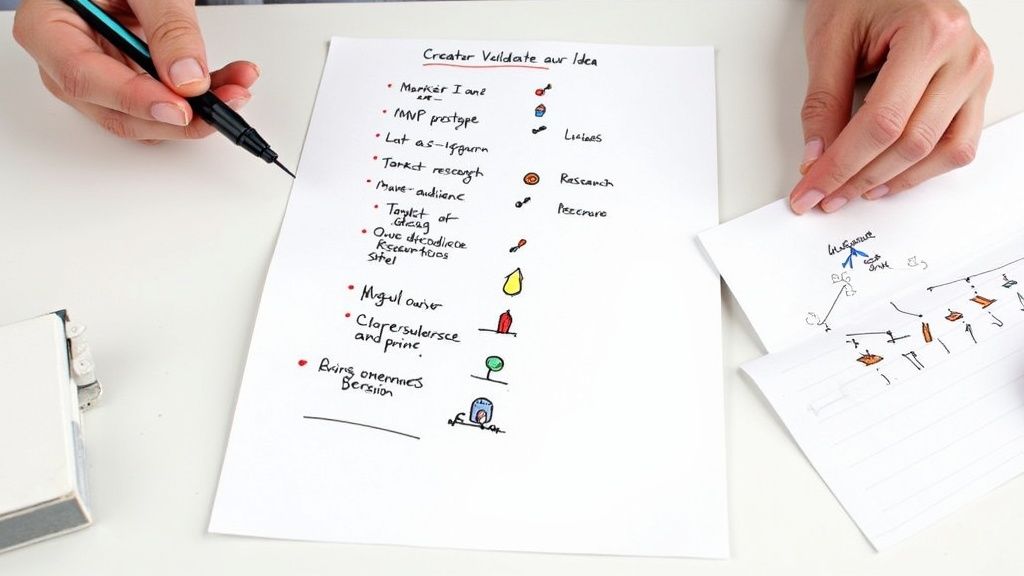
To confidently ask people to fund your project, you need an unshakable belief in its potential, and that belief has to be backed by hard evidence. A cool concept is just a starting point. You have to show that a real audience is out there, ready and willing to support it.
Getting this prep work right dramatically boosts your odds of success. Let's break down how.
First things first: you need to confirm that people actually want what you’re making. It’s easy to get caught up in your own excitement, but don't rely on feedback from friends and family. They love you, but their opinions are biased.
Real validation comes from impartial market data. A crucial first step is accurately identifying your target audience. This goes deeper than just demographics; it's about getting inside their heads to understand their pain points, passions, and what makes them click "pledge."
Good market research will help you:
Taking this time prevents you from pouring your heart into something nobody wants. For a deeper dive, check out our guide on doing market research before launching.
An idea is just an idea until you can show it to someone. A physical prototype or a working Minimum Viable Product (MVP) makes your vision real and credible. It’s the difference between telling and showing.
When potential backers can see, touch, or experience what they’re investing in, it builds a massive amount of trust. They can start to visualize the final product in their own lives, and that’s a powerful motivator.
Your first prototype doesn't need to be perfect or cost a fortune. It could be a simple 3D-printed model, a clickable software demo, or even a detailed video walkthrough. The goal is to prove you've moved past the "what if" stage and have a solid plan for execution.
A prototype answers the biggest question in a backer's mind: "Is this real?" It turns your promise into a believable plan and is often the most persuasive thing on your entire campaign page.
Your funding goal can't be a number you just pull out of thin air. It needs to be a carefully calculated sum of every single expense required to create your product and get it into your backers' hands. Miss one cost, and you could put the entire project at risk.
Before you go any further, sit down and map out every possible expense:
Being completely transparent with your budget shows backers you’re a responsible creator they can trust. When people see you’ve done your homework, they feel much more confident hitting that pledge button. The wider investment world operates the same way—in 2025, total energy investment is projected to hit US$3.3 trillion, with a staggering US$2.2 trillion earmarked for clean energy projects with clear, well-vetted financial plans. Investors back projects that make sense on paper.
This kind of careful planning is summarized in the table below. Think of it as your final check before hitting the launch button.
| Task | Objective | Key Metric |
|---|---|---|
| Market Research | Validate demand and identify the target audience for your project. | Positive survey responses, email sign-ups |
| Competitor Analysis | Understand the market landscape and find your unique selling proposition. | Gap analysis, pricing strategy |
| Prototype Development | Create a tangible representation of your product to build credibility. | Functional MVP or physical model |
| Budget Calculation | Accurately forecast all costs from production to fulfillment. | Detailed expense sheet, realistic goal |
| Marketing Plan | Build a pre-launch buzz and a strategy to reach potential backers. | Landing page conversions, social media followers |
| Campaign Page Draft | Craft a compelling story with high-quality visuals and a clear call to action. | Video views, page engagement |
Completing these steps doesn’t just prepare you for launch—it builds the entire foundation for a successful campaign. When you've validated your idea, prototyped your product, and planned your finances, you're not just hoping for success; you're engineering it.
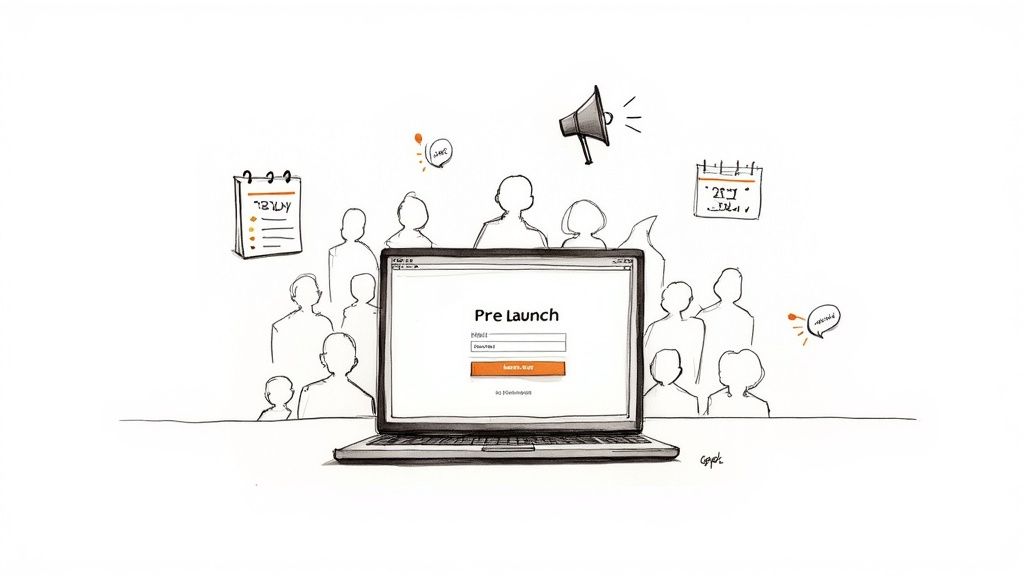
Trying to fund a project by launching to an empty room is one of the fastest ways to fail. The most powerful momentum you'll ever have is built before you ask for a single dollar. This pre-launch phase is all about creating a community that’s genuinely hyped for your launch day.
The goal is pretty straightforward: build up so much excitement that you hit a huge chunk of your funding goal within the first 48 hours. This early rush creates incredible social proof, signaling to both the platform's algorithm and new visitors that your project is a certified hit. This only happens if you have a warmed-up, eager audience waiting.
Your first mission is to build a central spot for all your pre-launch buzz. This is usually a simple, clean landing page with one clear objective: getting email addresses. Trust me, an email list is the single most valuable asset you can build right now.
Unlike social media followers, you own your email list. It’s a direct line to your most passionate potential backers.
To make your landing page work, you need a killer incentive to sign up. It doesn't have to be complicated—think exclusive early-bird discounts, a free bonus item, or access to behind-the-scenes content. This gives people a real reason to join your inner circle. For a deeper dive, check out our guide on how to build a list of potential backers before your Kickstarter campaign launches.
Once your email sign-up page is live, it’s time to start nurturing that community. Your job is to build trust and keep the excitement alive with consistent content. It’s your chance to bring people along for the ride.
Share the "why" behind your project, introduce the team, and be open about your progress. People connect with stories, not just products.
Here are a few content ideas that create a genuine connection:
This strategy turns potential customers into true fans who feel personally invested in your success long before they can even pledge.
While you’re busy growing your own audience, you can also tap into existing ones by connecting with influencers and media in your niche. A single mention from a trusted source can send a wave of high-quality traffic straight to your pre-launch page.
Start by finding bloggers, YouTubers, journalists, and social media influencers whose audience is a perfect match for your ideal backer. But whatever you do, don't just send a generic blast email.
Build a real relationship first. Follow them, engage with their content thoughtfully, and then send a personalized pitch that clearly explains why your project is a perfect fit for their audience. A genuine, tailored approach is far more effective than a mass outreach campaign.
This combined approach—building your own list, nurturing it with great content, and amplifying your reach—creates an unstoppable force. By the time you hit "launch," you won't be starting from zero; you'll be igniting a fire that's already been smoldering for weeks. This early work is what separates the campaigns that fizzle out from those that absolutely smash their funding goals.
Think of your campaign page as your digital storefront. To successfully fund a project, this page needs to do more than just list facts—it has to be persuasive, transparent, and professional enough to turn a casual browser into a passionate backer. It's your single most important asset while the campaign is live, so every element has to work in harmony to tell your story and drive pledges.
A well-designed page doesn't just sell a product; it forges an emotional connection, builds credibility, and makes hitting that "pledge" button feel like an exciting, no-brainer decision.
The first thing most visitors will see is your video. This is your shot to make a killer first impression in under three minutes. A great video isn't just a product demo—it's the heart and soul of your story.
Your video should instantly answer three questions for potential backers:
Always end your video with a strong, direct call to action. Don't just fade to black—ask viewers to back your project and help you bring it to life. That personal appeal is often the nudge they need.
Once the video hooks them, backers will scroll down for the nitty-gritty. Your page copy needs to be easy to scan, engaging, and brutally honest. Break up the text with plenty of headlines, bullet points, and high-quality images to avoid the dreaded wall of text.
Use your copy to tell a compelling story about your project's journey. Talk about the "aha!" moment, the roadblocks you've overcome, and your detailed plan for what's next. Transparency here is everything. Backers know creating something new is tough; they just want to see that you have a credible plan for their money. For a deeper dive, check out our article on how to design a high-conversion Kickstarter landing page.
Your campaign page is no place for vague promises. Get specific. Use timelines, details, and a transparent budget breakdown to show you’ve done the homework. This level of detail shows you respect your backers' investment.
Your reward tiers are the engine of your campaign. They need to be clear, attractive, and structured to nudge people toward higher pledges. A common mistake is offering too many options, which just leads to confusion. Instead, build a logical ladder of value.
A classic, effective structure looks something like this:
Give each tier a descriptive name and spell out exactly what backers get. Using visuals here makes the rewards feel tangible and way more exciting.
Finally, your page has to look the part. Sharp, professional product photos, GIFs that show key features in action, and clean infographics aren't optional—they're essential. These visuals do more than just show off your product; they build critical trust and communicate value in a split second.
Make sure your images and graphics are consistent in style and branding. They break up text, make complex ideas easy to grasp, and make your whole project feel more real and thoughtfully planned. To really boost pledges, you need to be thinking about effective conversion rate optimization strategies for your page, and strong visuals are a cornerstone of that.
It's clear that well-presented projects attract serious capital; the global project finance market hit USD$799.16 billion in 2024, with North America alone accounting for USD$335.66 billion. You can discover more about these global finance trends from Chambers and Partners.
So you hit "launch." Congratulations! But don't pop the champagne just yet. This is the starting line, not the finish. The next 30 days are a hands-on marathon where your hustle directly determines whether you just scrape by or smash your funding goal. A winning campaign needs your constant attention to fund a project successfully.
This is what truly separates a decent campaign from a phenomenal one. You're not just selling a product; you're creating a living, breathing experience that keeps your backers hooked and convinces newcomers to jump on board.
Most campaigns get a massive surge of pledges on day one, which is awesome. But then comes the dreaded "mid-campaign slump." Your job is to fight it tooth and nail. One of the best weapons in your arsenal? Well-timed stretch goals.
Stretch goals are new funding targets that unlock cool bonuses for everyone—new colors, extra features, bonus content—once you hit them. They are killer motivators that give your current backers a reason to share the campaign all over again and push new people over the edge. The trick is to announce them right as that initial buzz starts to fade.
Your backers aren't just numbers on a screen; they're your founding members. They invested in you and your vision, and they deserve to be part of the journey. This means consistent, meaningful updates are non-negotiable. They build trust and keep everyone excited.
Don't just post when you hit a big milestone. Share the whole story, warts and all:
Responding to questions and comments quickly is just as important. A lively comments section is a huge green flag for potential backers. It shows you're engaged and trustworthy, which helps build a community that's genuinely invested in your success.
This whole process is about weaving together different elements to create a persuasive experience.
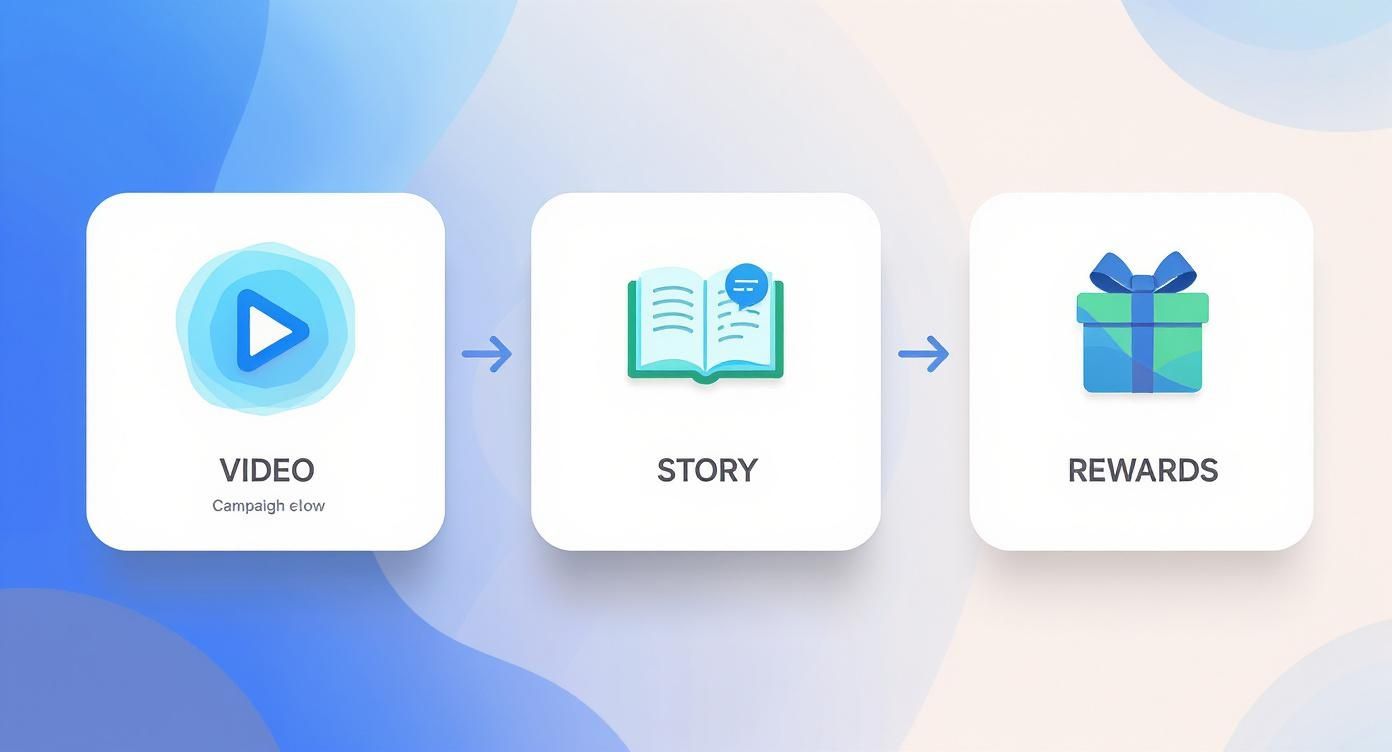
As you can see, a powerful video, a compelling story, and awesome rewards all work in tandem to turn casual visitors into loyal backers.
Your pre-launch hype got the engine started, but you need to keep feeding it fuel. You have to drive a constant stream of new people to your page for the entire campaign. Use your email list and social media to shout out every milestone, every new stretch goal, and any press you get.
And don't be shy about asking your backers to share the campaign. A personal recommendation is pure gold. This relentless outreach is your best defense against the mid-campaign slowdown. Just look at how fast the energy and infrastructure sectors grow by constantly attracting new investment—the global energy storage market saw a massive 76% jump in installations in 2024. You can read the full analysis in the outlook for global energy projects on Morgan Lewis.
An important part of post-campaign management is your pledge manager choice. Think of the Kickstarter pledge manager like Amazon—a big marketplace. In contrast, the PledgeBox pledge manager is like Shopify—your own dedicated store. This gives you far more control.
Here’s a game-changer: PledgeBox is free to send the backer survey after your campaign ends. They only charge 3% of upsell if there's any, making it a powerful, risk-free tool for managing backers and generating extra revenue post-campaign. This management mindset, from live engagement to post-campaign fulfillment, is what ensures a successful funding journey from start to finish.
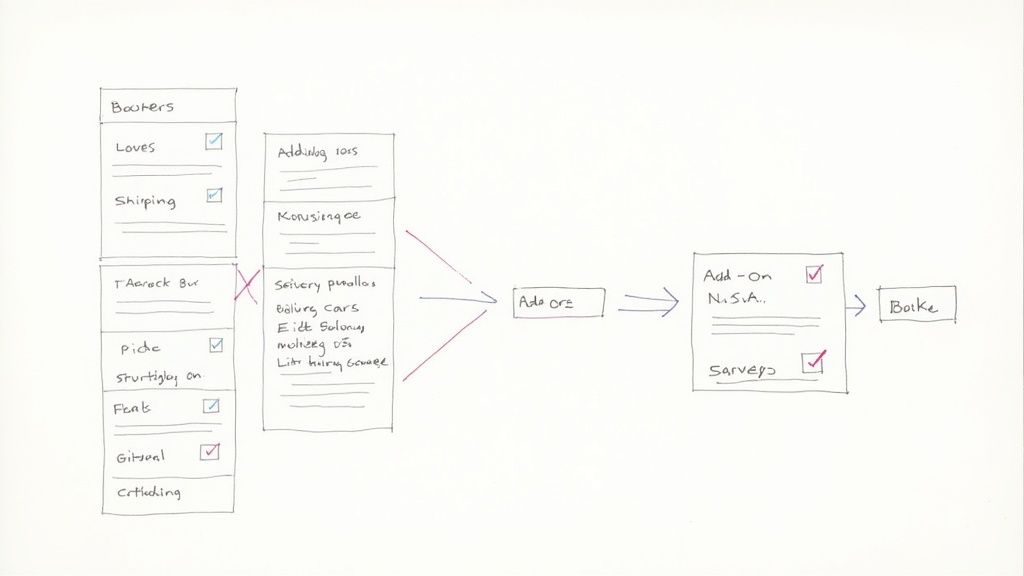
You did it. The campaign clock hit zero, and you've successfully managed to fund a project. That feeling is incredible, but take a deep breath, because now the real work begins. The post-campaign phase is a massive logistical puzzle of managing backer data, collecting shipping info, and actually fulfilling your promises. This is where a dedicated pledge manager becomes your best friend.
So many first-time creators think they can juggle everything with a spreadsheet. I've seen it happen time and again, and it almost always becomes a chaotic, error-prone mess that costs time and money. A pledge manager is built to automate and organize this entire process, making the transition from funding to fulfillment seamless.
Let's break down the role of a pledge manager with a simple analogy. Think of a platform like Kickstarter as Amazon—a huge, bustling marketplace where thousands of people can discover your project. It's fantastic for getting eyes on your idea and securing that initial funding.
Now, think of a pledge manager like PledgeBox as your own personal Shopify store. Once the campaign is over, you invite your backers from that crowded marketplace into your own branded space. Here, you're in total control. You can collect detailed information, communicate directly with your supporters, and even open the door for more sales. This control is absolutely critical for building real, long-term relationships with your community.
This shift from a public marketplace to a private storefront is more than just logistics; it's a fundamental change in how you interact with your community. It’s where you turn one-time backers into loyal, repeat customers for future projects.
Remember this distinction: the Kickstarter pledge manager is like Amazon for discovery, but the PledgeBox pledge manager is like Shopify for relationship management and operational excellence.
For creators on a tight budget, the cost of post-campaign tools can be a huge hurdle. This is where PledgeBox really shines. PledgeBox is completely free to send the backer survey. You can import all your backer data, build out custom surveys to gather addresses and reward choices, and send them all out without spending a dime.
The platform only makes money when you do. PledgeBox charges a small 3% fee on funds you raise through add-ons and upsells within the survey. This performance-based model means there’s zero upfront risk, making it an incredibly accessible choice for creators of all sizes. If you decide not to offer any upsells, the entire survey management service remains free.
This model lets you:
Offering upsells is easily one of the most powerful features of a pledge manager. Your backers are already hyped about your project; this is the perfect moment to offer them even more value.
With PledgeBox, you can set up simple upsell funnels that present backers with relevant add-ons right after they’ve completed their survey. For instance, if someone backed your new board game, you could offer an exclusive expansion pack, premium card sleeves, or a deluxe art book. This not only delights your community with exclusive items but also significantly bumps up your average pledge amount, giving you more capital for production.
The trick is to make these offers feel like a natural extension of their original pledge, not an aggressive sales pitch. A thoughtful approach keeps everyone happy while boosting your bottom line.
To really understand the different roles these platforms play in your project's lifecycle, it helps to see them side-by-side. Think of Kickstarter as the big, public marketplace where you attract a crowd, and PledgeBox as the exclusive, private storefront where you serve your best customers.
| Aspect | Kickstarter (The Marketplace like Amazon) | PledgeBox (Your Storefront like Shopify) |
|---|---|---|
| Primary Goal | Project discovery and initial funding from a broad audience. | Post-campaign backer management, data collection, and fulfillment. |
| Backer Experience | Standardized platform experience shared with all other projects. | A branded, controlled environment unique to your project. |
| Sales Opportunity | Limited to the reward tiers offered during the live campaign. | Robust upsell and add-on capabilities to increase revenue post-campaign. |
| Data Management | Basic backer reports that often require manual cleanup and organization. | Automated survey tools, address validation, and streamlined data exports. |
Ultimately, you need both to run a modern, successful crowdfunding campaign. The marketplace gets you funded, and the storefront ensures you can deliver on your promises efficiently while building a community for the future.
Navigating the world of crowdfunding can get tricky, especially if you're trying to fund a project for the first time. You’ve done the hard work—validated your idea, built an audience, and designed a killer campaign page. Now it's time to tackle some of the common questions that pop up along the way.
Getting clear answers can make all the difference in your confidence and your campaign’s success. From hidden costs to post-campaign tools, let's get into it.
A lot of first-time creators think crowdfunding platforms are free. While you can build a campaign page without paying anything upfront, there are mandatory fees that kick in once you're successfully funded. You absolutely have to build these into your budget from day one.
Here's the typical breakdown:
Right off the bat, you need to budget for 8-10% of your funding goal to go directly to these fees. And that’s before you even think about your own costs for marketing, manufacturing, shipping, or creating the prototype. Forgetting to factor these in can leave you without enough cash to actually deliver on your promises.
Once your campaign ends, you’re suddenly sitting on a mountain of backer data. A pledge manager is a post-campaign tool built specifically to help you organize all that information, communicate with backers, and get ready for fulfillment. Think of it as your mission control center after the funding clock stops.
Instead of fighting with messy spreadsheets, a pledge manager automates the critical stuff. It sends out surveys to collect shipping addresses and reward choices (like T-shirt sizes or product colors). Even better, it lets you offer "upsells" and "add-ons," giving backers an easy way to buy extra items and seriously boost your total revenue long after the campaign is over.
Yes, this is one of the biggest perks of using PledgeBox, and it’s a huge deal for creators. It is completely free to send the backer survey. You can set up your project, import all your backer data, and send out customized surveys to collect shipping details and reward preferences without any upfront cost.
PledgeBox only gets paid if you get paid more. They only charge a 3% commission on the funds raised from upsells or add-ons you sell through the survey. If you decide not to offer any extras and just use the platform to collect backer info, the service is entirely free.
This is a game-changer. It takes the financial risk off the table while giving you a powerful tool to streamline fulfillment and increase your project's total earnings. You get professional-grade tools without touching your core funding.
Here's a simple way to think about it: the native Kickstarter pledge manager is like Amazon—a huge marketplace. In contrast, the PledgeBox pledge manager is like Shopify—your own dedicated, customizable storefront. It gives you far more control over the backer experience and opens up new ways to raise funds. That level of organization is essential, whether you're running a small creative project or a massive product launch.
Ready to streamline your post-campaign process and delight your backers? With PledgeBox, you get powerful, risk-free tools to manage surveys, collect shipping fees, and boost your revenue with upsells. Join over 8,000+ creators who trust PledgeBox to make fulfillment simple. Get started for free today!
PledgeBox
The All-in-One Toolkit to Launch, Manage & Scale Your Kickstarter / Indiegogo Campaign