 PledgeBox
8 Branding Survey Questions for Better Campaigns
Use these 8 branding survey questions to improve positioning, messaging, visual identity, and backer engagement before your next crowdfunding campaign.
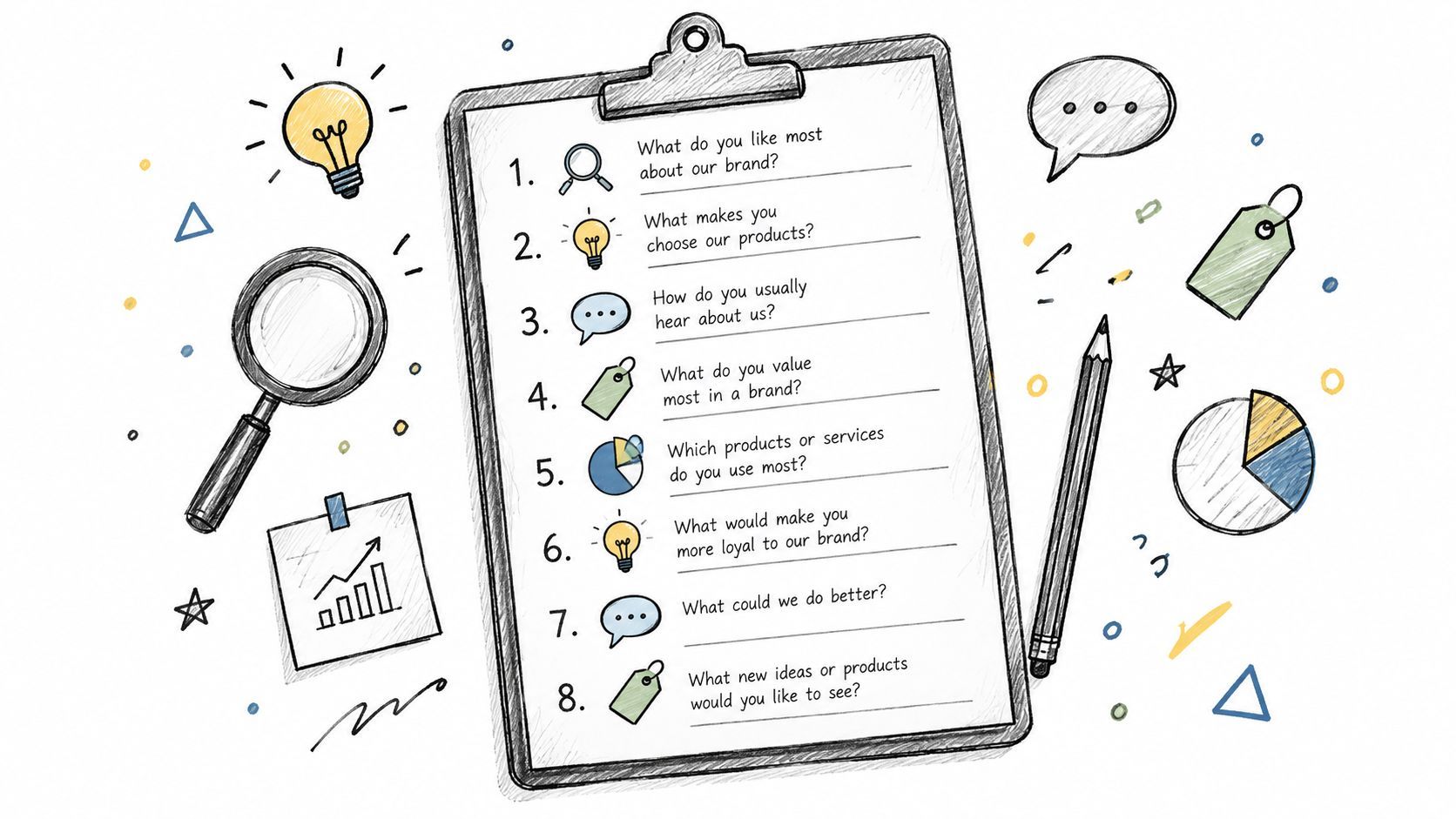
Use these 8 branding survey questions to improve positioning, messaging, visual identity, and backer engagement before your next crowdfunding campaign.
A post-campaign survey can do more than collect shipping details. It can help you understand why people backed your project, which messages persuaded them, what your visual identity communicated, and what to change before your next launch. The challenge is asking questions that lead to decisions, not just a pile of ratings. These eight branding survey questions focus on three decisions creators regularly face: positioning, messaging, and visual identity.
A Kickstarter pledge manager can feel more like Amazon, while the PledgeBox pledge manager is designed to feel more like Shopify: a flexible environment for managing campaigns and building a direct relationship with backers. PledgeBox is free to send the backer survey, and it charges only 3% on add-on upsell sales, if any. That makes it practical to ask for feedback alongside fulfillment details. For a broader view of collecting and using customer feedback, see the Chicago Brandstarters founder playbook.
Awareness shapes positioning: it tells you where your brand entered a backer's consideration set. Ask, "How did you first hear about us?" before showing a list of possible channels. An open-text answer lets backers name the source they remember, whether that's a creator video, newsletter, Reddit thread, advertisement, or recommendation from a friend.
For easier reporting, you can instead offer a dropdown with common channels and an Other option that opens a text field. The trade-off is that a list makes answers easier to compare, but it can steer respondents toward options they might not have recalled on their own. If discovery channel matters to your next campaign plan, use open text first, then group similar answers during analysis.
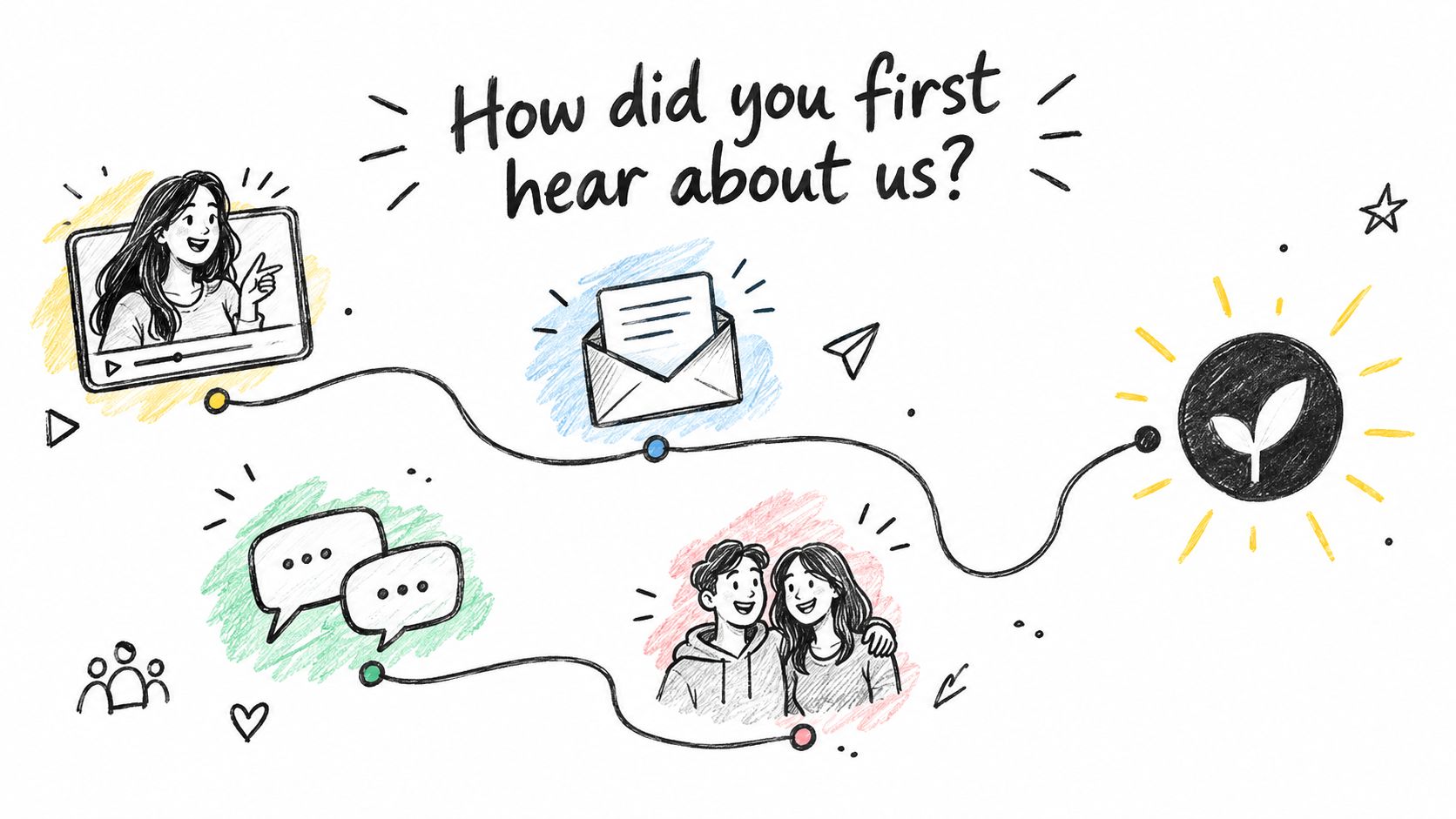
A board game publisher might learn that backers mostly discovered its project through a tabletop YouTube reviewer, not paid ads. That points to creator partnerships as a channel to test again, rather than a reason to assume every future campaign needs the same mix. A hardware startup might find that a Reddit AMA comes up repeatedly and plan another community Q&A before its next launch.
Compare survey answers with traffic and advertising data, but treat them as complementary views, not a perfect attribution system. Respondents may remember the final touchpoint, not every interaction that brought them to the campaign. Review “Other” answers regularly and use the patterns to refine how you describe your project's reach. Creators planning their next campaign can also explore ways to get brand awareness.
Because PledgeBox sends backer surveys for free, you can ask this question without a per-backer survey fee. The only charge is 3% on add-on upsell sales, if any.
Advocacy can influence whether backers spread the word or return for your next project. Ask, “How likely are you to recommend us to a friend or colleague?” and provide a 0-to-10 scale. That familiar format gives you a consistent way to track responses over time, but it won't tell you what drove a rating by itself.
The standard NPS grouping labels respondents as Promoters at 9–10, Passives at 7–8, and Detractors at 0–6. The score is the percentage of Promoters minus the percentage of Detractors. If you report it, explain that calculation and share the underlying response pattern too; one summary score can hide a mix of strong advocates and dissatisfied backers.
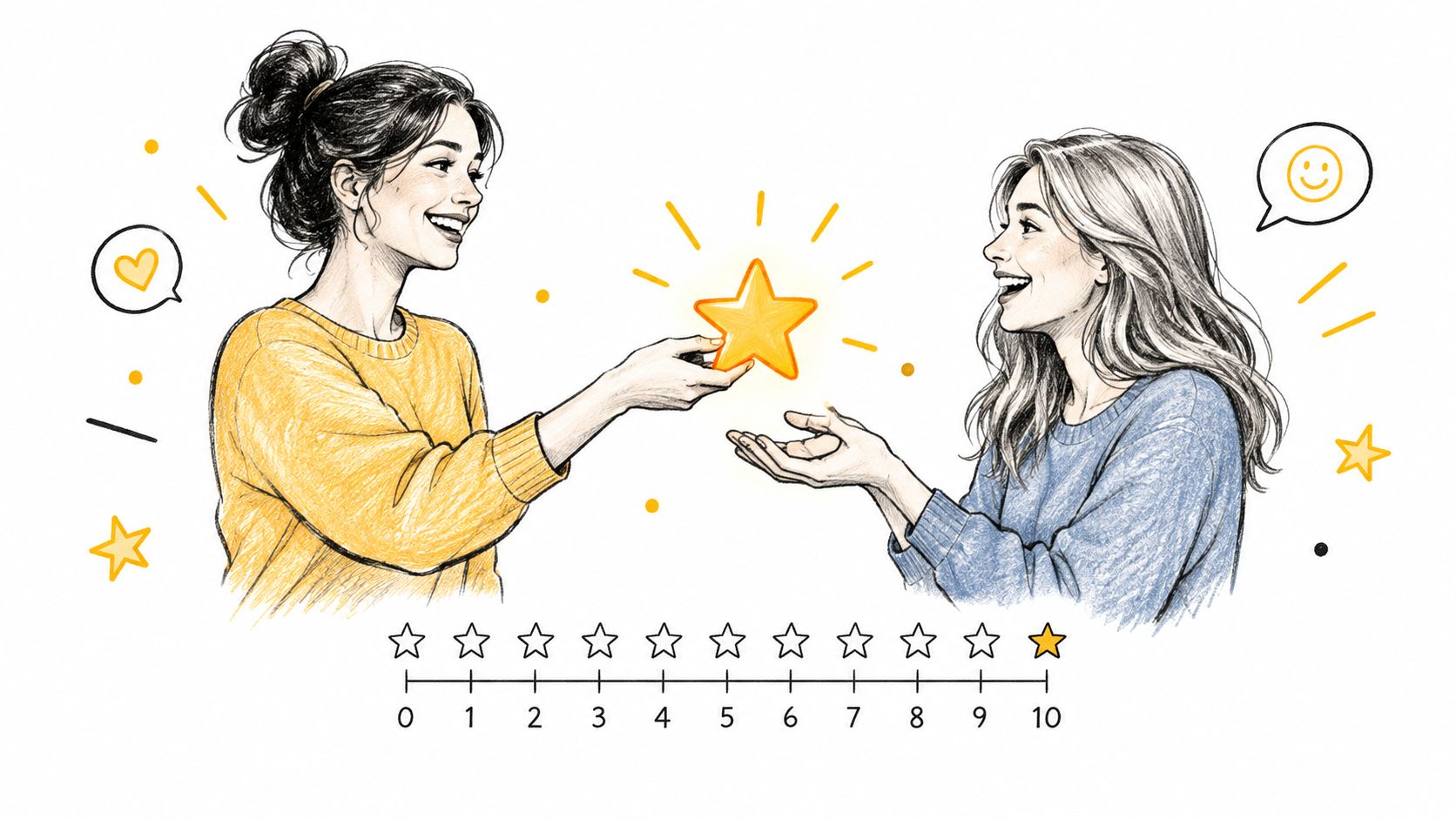
Follow the rating with “What is the main reason for your score?” A tabletop publisher might invite enthusiastic backers to an early-access program for its next expansion, while also reading comments for the parts of the experience that make recommendations less likely. A creator facing negative feedback may discover that delivery delays, rather than the product itself, are driving the response and add clearer tracking updates to the next campaign.
Ask at a consistent point in the backer journey if you intend to compare campaigns. A survey sent before fulfillment measures a different experience from one sent after a package arrives. Use the results as a prompt for follow-up, not as proof that every high-rated backer will promote the project. For additional ideas on gathering customer feedback, see feedback collection methods.
PledgeBox backer surveys are free to send; the only platform charge is 3% on add-on upsell sales, if any.
Your intended personality and the one backers perceive can diverge. Ask, “Which three words best describe our brand?” and give respondents a mix of traits you hope to convey, neutral options, and a few unexpected choices. If you supply only flattering words, the answers will tell you little about how people naturally see your brand.
You can use a word list for easier comparisons, or an open-text response to capture language you hadn't considered. A list is faster to analyze, while open text is more likely to surface surprising descriptions. If you use both, make the open-text version come first so your options don't shape what people write.
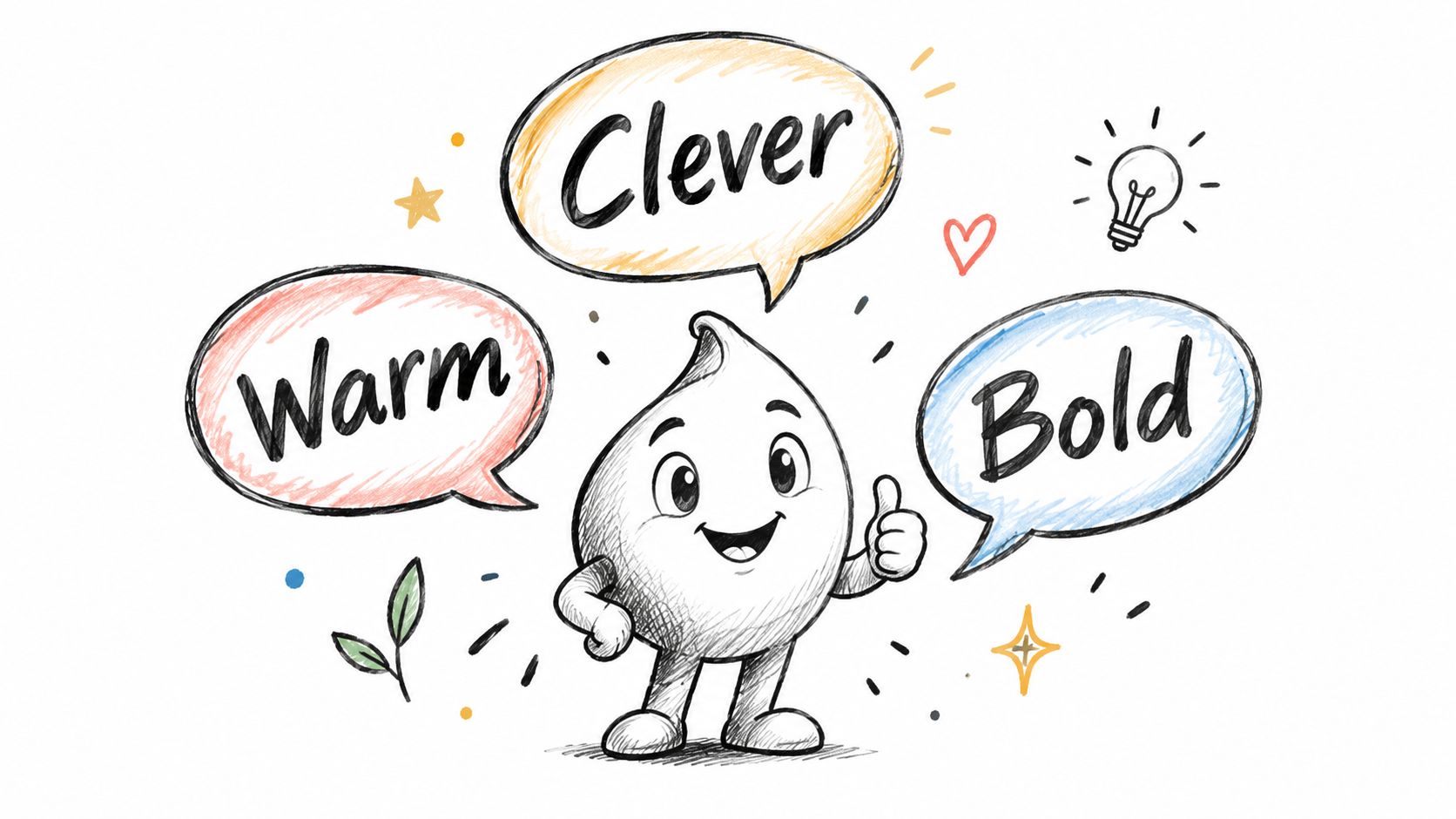
A gadget maker aiming to seem inventive and reliable might find that backers instead choose playful and quirky. That doesn't automatically mean the brand should abandon its personality. It may mean the campaign page, packaging, and product design communicate fun more clearly than dependability, so the team can reinforce credibility where it matters.
A board game studio described as clever and social could carry those same ideas into its next campaign headline, then check whether backers recognize them there too. Compare answers from first-time and repeat backers, since each group has a different amount of experience with the brand. For more on developing a recognizable identity, read about adding bricks to your brand development in crowdfunding.
Use the results to adjust tone across campaign copy, emails, and packaging, rather than treating a handful of adjectives as a complete brand strategy. PledgeBox is free for sending the backer survey and charges 3% only on add-on upsell sales, if any.
Ask, “How likely are you to back our next project?” to understand whether current supporters can see themselves returning. Use a clearly labeled scale, and avoid presenting an answer as a firm forecast. Stated intent is useful for planning, but a positive response doesn't guarantee a future pledge.
This question is especially practical for creators building a product line. A hardware startup developing a follow-on device can learn whether existing backers are interested in hearing about it, while a tabletop publisher can check whether supporters want another game or a particular kind of expansion. The answer measures interest in a future project, not necessarily interest in every concept you might launch.
Pair the rating with “What would make you more likely to back?” Backers may point to product features, reward choices, price expectations, or campaign communication. Treat those responses as ideas to investigate, not instructions to satisfy every respondent; different backers can want incompatible things.
A creator hearing that supporters want a smaller-box expansion could reconsider the next reward structure before finalizing it. If respondents show strong interest, invite them to opt in to relevant launch updates rather than assuming survey participation equals marketing consent. Segment the follow-up audience by stated interest so a hardware announcement doesn't go to backers who only want tabletop updates.
PledgeBox's pre-launch tools can support audience building, while its backer surveys are free to send with no per-backer survey fee. Use intent to decide what to test next, then validate that interest through an appropriate pre-launch signup or campaign response.
A values question can reveal why someone connects with a creator beyond the product itself. Ask, “How well does our mission reflect your personal values?” Put one clear statement of your mission directly above the question so every respondent is evaluating the same idea. If you ask about several commitments at once, you won't know which one people are responding to.
The wording should be neutral. A prompt that assumes your mission is admirable can make it harder for backers to express distance or disagreement. A balanced rating scale, with clearly labeled endpoints and a suitable option for respondents who aren't sure, gives people room to answer openly.
A company that uses sustainable packaging might learn that backers care more about repairability than recycled materials. That's a useful messaging distinction: the team can explain the product's repair features more clearly, rather than relying on a broad environmental claim that may not match what supporters value most. A board game publisher could similarly ask whether inclusive character design matters to backers before making it a central campaign message.
Test distinct themes in separate questions or across later surveys. Don't bundle sustainability, community, and product longevity into one statement, because a single rating won't show which element resonates. Then compare what backers say with what the campaign shows. A stronger brand story should connect a stated value to a concrete product or creator decision, as in this example of brewing a stronger brand story.
PledgeBox can send the survey for free, with 3% charged only on add-on upsell sales, if any. That lets you collect values feedback as part of the backer experience without an upfront survey charge.
When you're choosing between visual directions, ask backers, “Which design best represents our brand?” Show the options clearly and ask about one decision at a time. You could compare logos, packaging concepts, color palettes, or product imagery, but putting all of those changes into a single comparison makes it difficult to tell what drove a preference.
A hardware startup might show two packaging concepts and learn that backers prefer the minimalist direction. That feedback can inform a redesign before the team commits to retail packaging, but it shouldn't replace practical checks such as readability and production requirements. A tabletop publisher might test two box-art directions and ask which better signals the intended feel of the game.
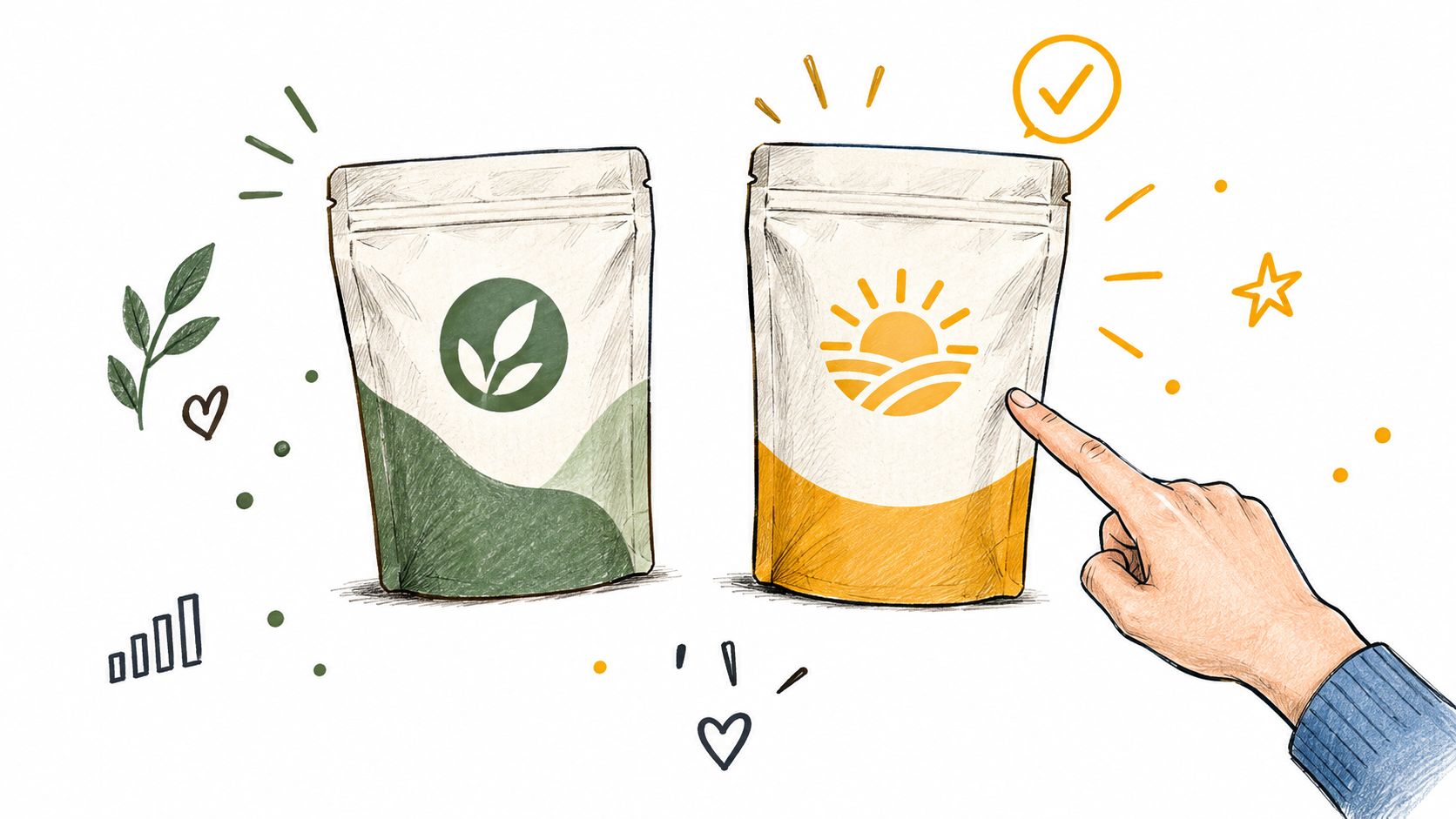
Follow the choice with “What influenced your decision?” That open-text explanation can distinguish a color preference from a reaction to layout, theme, or perceived product quality. Without it, the winning design tells you which option respondents selected, not why they selected it.
Design test: Show the same options at comparable sizes and ask for one preference before inviting comments.
Optimize images for mobile viewing and check that labels remain legible. If the audience sees a product mockup, make clear what is part of the proposed design rather than a final production promise. PledgeBox's branded, mobile-friendly backer surveys can collect preferences alongside campaign responses. Sending the survey is free, and the platform charges 3% on add-on upsell sales, if any.
Positioning gets sharper when you know what backers considered as alternatives. Ask, “Which other brands or products did you consider before backing us?” Use a multi-select list if you already know the likely alternatives, but include an Other text field so respondents can name products you missed. An open-text question is better when you have little knowledge of the consideration set.
A smartwatch creator might find that backers compared the project with a large consumer brand rather than other crowdfunded watches. That suggests the campaign may need to explain specific differences, such as battery life or price, in terms customers can evaluate. A board game studio that hears repeated mentions of a classic title from a major publisher could consider a clear comparison in its next campaign page, as long as it describes both products fairly.
Treat competitor mentions as evidence of what respondents had in mind, not a complete map of the market. Backers may name a familiar alternative even if they didn't seriously compare features or prices. Ask a follow-up such as “What mattered most in your comparison?” to learn whether the deciding factor was design, gameplay, functionality, or something else.
Review mentions across campaigns to see whether the set of alternatives appears to change. Then decide whether your positioning should emphasize a genuine point of difference or make the product's category and intended audience clearer. PledgeBox offers free backer surveys for this research, with 3% charged only on add-on upsell sales, if any.
Ask, "Which of our communications did you find most memorable?" to find out what backers recall from the campaign and fulfillment experience. Offer a concise list of touchpoints, such as campaign emails, videos, social posts, project updates, or packaging, and include an Other option. A long list can make the question harder to answer and encourage people to guess.
A board game publisher might discover that backers remember behind-the-scenes development videos more than written updates. That could lead the team to make video a more visible part of future communications, while keeping written updates for information that supporters need to scan. A hardware startup might hear that a handwritten thank-you note in the box stands out and choose to retain that personal touch where fulfillment allows.
Pair the question with a separate question about delivery or fulfillment. A memorable touchpoint could be a campaign video, but it could also be a shipping update prompted by a delay. Separating the questions helps you distinguish what content stuck from how operational experiences affected brand perception.
Keep the answer options specific enough to guide action. If you want to know whether an update, video, or email was memorable, don't group them under one broad “communications” option. PledgeBox supports free backer surveys, automated reminders, and mobile-friendly portals. The platform fee is 3% on add-on upsell sales, if any.
Creators looking for a fresh perspective on the language used in marketing can also consider this unrelated example of what to look for in guest shampoo.
| Survey question | Primary insight | 🔄 Complexity & resources | 📊 Expected outcome | ⭐ Ideal use case |
|---|---|---|---|---|
| “How did you first hear about us?” | First-touch awareness channels | Low; open text needs coding, or use a channel dropdown | Identifies effective and unexpected acquisition sources | Allocating marketing budget for future campaigns |
| “How likely are you to recommend us?” (NPS) | Backer advocacy and satisfaction | Low; one rating scale, with optional reason follow-up | NPS score and potential promoters or detractors | Tracking loyalty and referral potential across campaigns |
| “Which three words best describe our brand?” | Perceived brand personality | Low to moderate; analyze selected or open-text traits | Reveals gaps between intended and perceived brand image | Refining brand voice, messaging, and positioning |
| “How likely are you to back our next project?” | Future purchase intent | Low; rating scale, optionally paired with a follow-up | Estimates potential repeat-backer interest; intent may exceed actual purchases | Forecasting demand and building a pre-launch audience |
| “How well does our mission reflect your personal values?” | Alignment with brand values | Low; rating scale, ideally with a clear mission statement | Shows which mission themes resonate with backers | Improving values-led messaging and community engagement |
| “Which design best represents our brand?” | Visual identity preference | Moderate; requires optimized images and clear options | Helps choose among concepts before investing in production | Testing logos, packaging, or campaign visuals |
| “Which other brands or products did you consider?” | Competitive consideration set | Low to moderate; use a multi-select list plus “Other” | Reveals alternatives and informs positioning | Sharpening campaign comparisons, feature emphasis, and ads |
| “Which of our communications did you find most memorable?” | Recall of brand touchpoints | Low to moderate; keep options concise to reduce fatigue | Identifies memorable content and touchpoints | Improving campaign updates, content mix, and unboxing experience |
Choose questions based on the decision you need to make. If you're reconsidering where to reach backers, ask about discovery. If your campaign language feels unclear, check personality and values. If you're preparing packaging or product imagery, test visual choices directly. A survey doesn't need to ask every branding question at once; a focused set is easier to complete and easier to act on.
Keep wording neutral and ask one thing at a time. Small wording changes can shift survey answers, and the order of questions can influence how respondents interpret what follows. For a fair read, separate factual questions from evaluative ones, use balanced scales, and avoid leading phrasing. Keep core questions consistent between campaigns if you want to compare results over time.
Ratings and selections need context. Add a short open-text follow-up to learn why someone chose a particular score, word, or design. Then read the explanations alongside campaign data, and compare responses across meaningful backer groups, such as first-time and repeat supporters. An overall result can conceal different needs among people with different levels of experience or confidence in crowdfunding.
Turn recurring language into action. If backers consistently describe the brand as playful but campaign copy aims for technical credibility, adjust the messaging without losing the qualities people already recognize. If a visual option wins because it feels clearer, carry that clarity into the next page and packaging review. If answers point to communication or fulfillment concerns, address those operational issues rather than trying to solve them with new branding alone.
Close the loop with backers by explaining what you learned and what you plan to change. PledgeBox is free to send the backer survey, with no per-backer survey fee, and charges 3% only on add-on upsell sales, if any. Its pledge manager is designed as a flexible, Shopify-like environment for creators building a direct backer relationship, while Kickstarter's pledge manager can feel more like an Amazon-style marketplace.
Use your next backer survey to test one clear positioning, messaging, or visual identity decision, and include an open-text follow-up so you understand the reasons behind the answers. PledgeBox offers free survey sending and charges only 3% on add-on upsell sales, if any. Explore PledgeBox to collect backer feedback and manage your post-campaign experience.
PledgeBox
The All-in-One Toolkit to Launch, Manage & Scale Your Kickstarter / Indiegogo Campaign