 PledgeBox
most funded kickstarter: 7 Secrets Behind Top Campaigns
Discover what drives the most funded kickstarter campaigns and the strategies behind their success. Learn actionable tips to boost your own launch.

Discover what drives the most funded kickstarter campaigns and the strategies behind their success. Learn actionable tips to boost your own launch.
Ever wonder what separates a good Kickstarter campaign from a legendary one? It's not just a great idea; it's a masterful strategy. The most funded Kickstarter projects are case studies in community building, marketing genius, and flawless post-campaign execution. In this deep dive, we'll dissect the record-breakers, revealing the specific tactics that turned ambitious concepts into multi-million dollar realities. We'll explore how they built pre-launch hype, managed massive communities, and, crucially, handled the complex post-campaign phase of surveys, upsells, and fulfillment.
This is where the real work begins, and where a powerful pledge manager becomes a creator's most valuable asset. A robust platform is essential for streamlining surveys, boosting revenue with strategic upsells, and coordinating complex fulfillment. For instance, platforms like PledgeBox allow creators to send backer surveys for free, only charging a 3% fee on any funds raised from upsells. Think of the native Kickstarter pledge manager as Amazon—a rigid marketplace—while a dedicated pledge manager like PledgeBox pledge manager is like Shopify, giving you a powerful, customizable toolkit to manage your backer relationships and maximize your campaign's success long after the initial funding period ends. This article breaks down those post-campaign blueprints.
To find the most funded Kickstarter campaigns, the best place to start is the source itself. Kickstarter is the official crowdfunding platform where these record-breaking projects are born, funded, and managed. It provides a transparent, real-time look into which campaigns are capturing the public's imagination and wallets, offering direct access to support them while they are live.
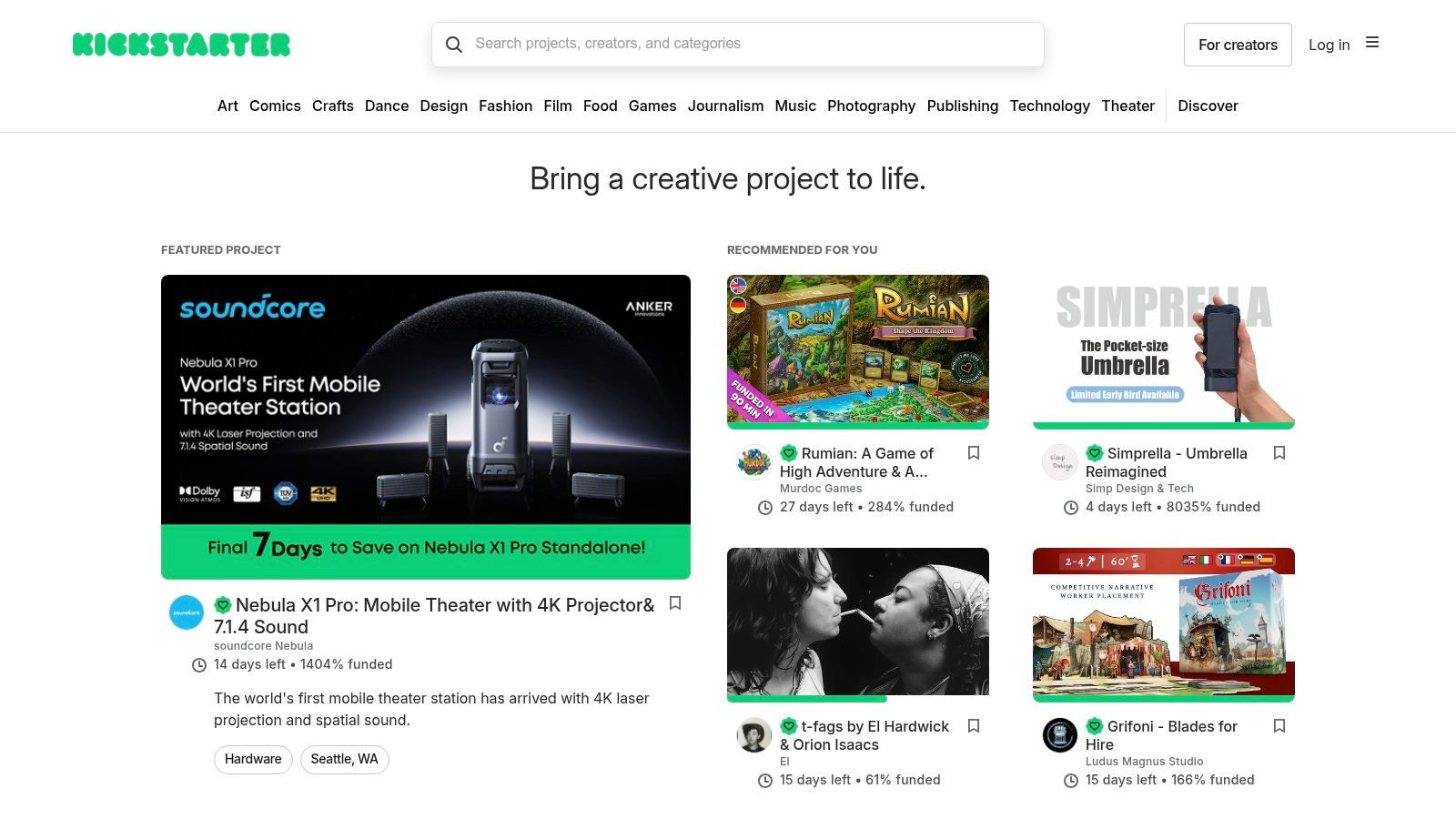
The platform’s user interface is designed for discovery. You can easily sort projects by "Most Funded" across all categories or dive into specific niches like technology, design, or gaming. Each project page is a comprehensive hub, detailing the funding goal, live backer count, estimated delivery timeline, and potential risks, giving you a complete picture before you pledge. This direct-from-the-source approach is invaluable for tracking trends and understanding what makes a blockbuster campaign tick.
Kickstarter’s primary advantage is its unparalleled transparency and direct engagement. Users aren't just browsing a list; they are participating in the creation process.
The platform is free to browse and back projects. You only pay when you pledge, and your card is only charged if the campaign successfully reaches its funding goal. However, it's crucial to remember that a pledge is not a retail purchase. Delays and challenges are common, and successful funding doesn't guarantee a flawless product delivery. For those interested in a deep dive into what makes specific categories successful, you can explore the highest-earning gaming projects on Kickstarter.
After a campaign ends, many creators use a pledge manager tool to handle backer surveys and fulfillment. While the Kickstarter pledge manager is like Amazon—a closed marketplace—many creators opt for specialized pledge managers like the PledgeBox pledge manager, which is like Shopify by giving creators a branded, customizable storefront to manage backer information and upsell additional items. Notably, PledgeBox is free to send the backer survey and only charges 3% of upsell if there's any.
While many most funded Kickstarter campaigns conclude their initial run on Kickstarter, their fundraising journey often continues. This is where Indiegogo's InDemand feature comes in, serving as a crucial second stage for creators to accept late pledges and pre-orders. It allows successful projects to maintain momentum, capture interest from backers who missed the original deadline, and continue building their funding total long after the initial 30-day frenzy.
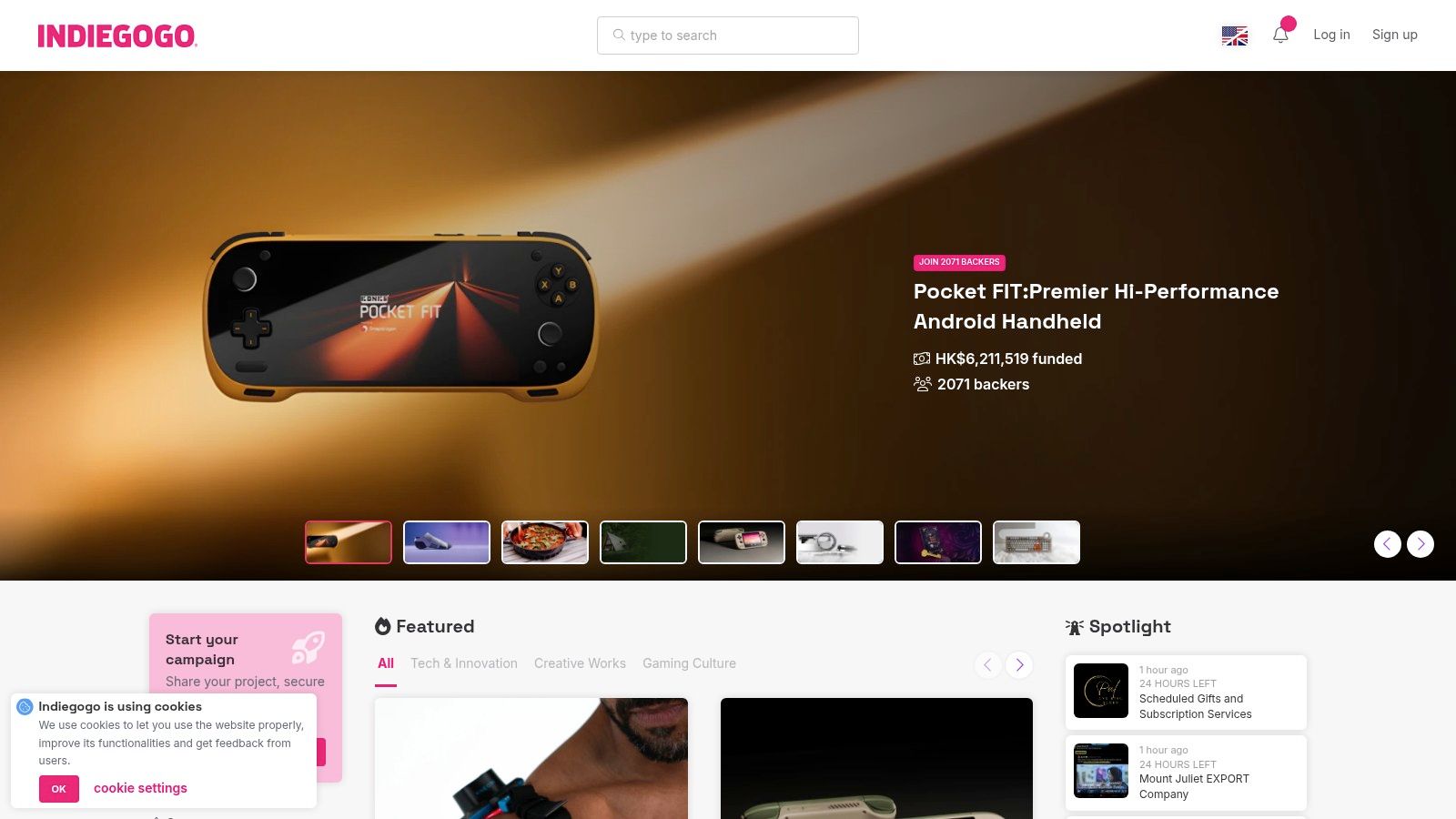
Indiegogo makes it exceptionally easy for creators to transition their projects using a quick-import tool, effectively creating a post-campaign storefront. For those tracking the biggest crowdfunding hits, InDemand is an essential resource because a project's final funding figure often includes the amounts raised here. It centralizes late support, making it a reliable place to check the extended performance of top-tier campaigns that may have started on other platforms.
Indiegogo InDemand's core strength is its flexibility, acting as a bridge between a timed campaign and ongoing e-commerce. It allows creators to capitalize on post-campaign hype without the pressure of a ticking clock.
Browsing InDemand is free, and the pledge process is similar to a standard campaign. However, since these projects are further along in development, the risks can sometimes be lower, although delays are still possible. It’s a powerful tool for creators, and you can explore tips on how to run a successful Indiegogo campaign to understand its mechanics better.
Many creators running campaigns on Kickstarter or Indiegogo also use a pledge manager to handle logistics after the funding period. While the Kickstarter pledge manager is like Amazon, third-party solutions like the PledgeBox pledge manager is like Shopify, giving creators a branded storefront for surveys and upsells. A key advantage is that PledgeBox is free to send the backer survey and only charges 3% of upsell if there's any.
While Kickstarter is where campaigns are born, BackerKit is where many of the most funded Kickstarter projects thrive after their initial funding period ends. It serves as a powerful pledge management and late-pledge platform, allowing creators in demanding categories like gaming, tech, and design to seamlessly transition from funding to fulfillment. For backers, it's a second-chance saloon, offering an opportunity to support a project they missed or upgrade their pledge after the campaign has officially closed.
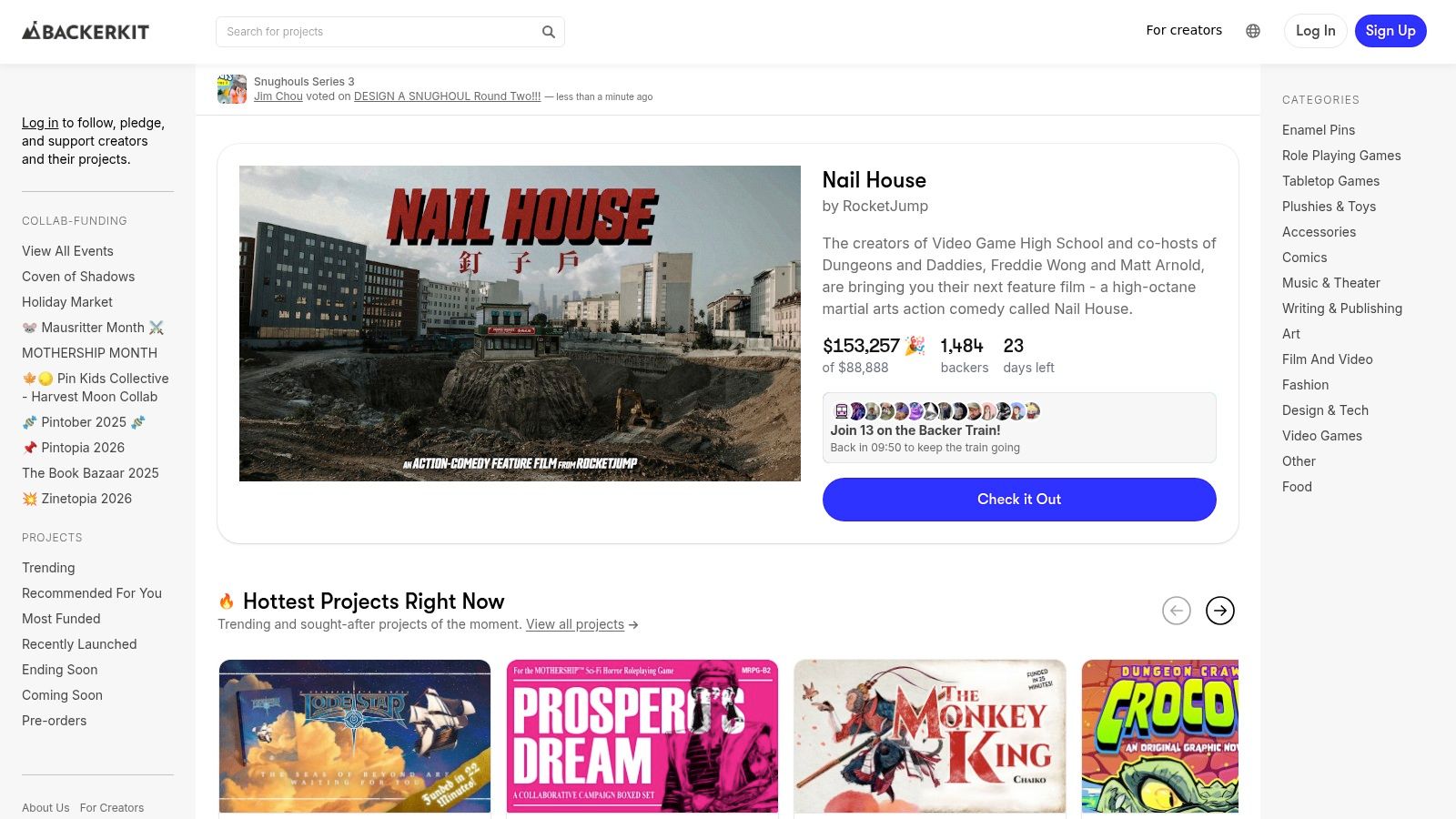
The platform functions as a bridge between the creator and the backer post-campaign. You'll often be directed to a creator's BackerKit page to finalize your shipping address, pay for taxes, and purchase add-on items that weren't part of your original pledge. This e-commerce style experience gives creators a vital revenue boost and provides backers with more flexibility. Instead of just a static list, BackerKit offers a dynamic marketplace where the most successful projects continue to raise funds and manage their communities long after the 30-day Kickstarter clock runs out.
BackerKit’s core strength lies in its robust, creator-focused toolset that extends the life and profitability of a crowdfunding campaign. It transforms the complex post-campaign phase into a streamlined, e-commerce-like experience.
Browsing and managing your pledges on BackerKit is free for backers. Costs are handled by the project creator, who pays a fee based on the funds raised through the platform. This model gives creators powerful tools, but it's important for backers to understand that delivery timelines and product quality are still the sole responsibility of the individual creator.
For creators comparing post-campaign tools, the landscape offers different models. While the Kickstarter pledge manager is like Amazon, dedicated pledge managers operate differently. For instance, in an in-depth comparison of PledgeBox vs. BackerKit, it's clear that platforms like PledgeBox are structured more like Shopify, giving creators a branded storefront. The PledgeBox pledge manager stands out because it is free to send the backer survey and only charges 3% of upsell if there's any, presenting a compelling alternative for many campaigns.
For enthusiasts tracking the most funded Kickstarter campaigns in the booming tabletop games category, Gamefound is an essential destination. While many of these projects launch on Kickstarter, they often transition to Gamefound for pledge management and late pledges. This platform acts as a specialized hub, allowing followers to discover, manage, and sometimes join top-tier board game campaigns after their initial funding period ends.
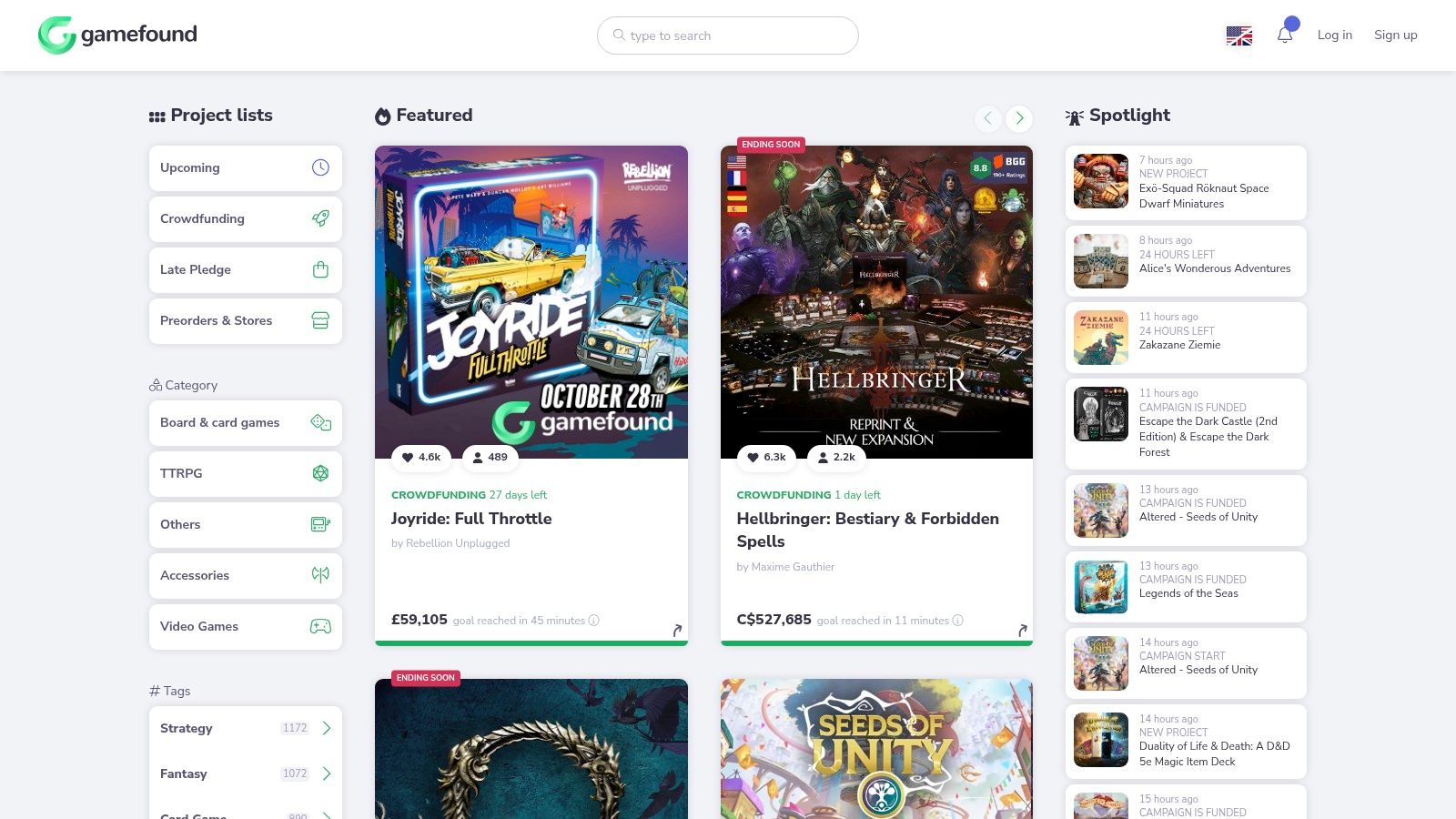
Gamefound's interface is built from the ground up for the complexities of tabletop projects, which often feature numerous add-ons, complex shipping logistics, and multiple production waves. It provides a clear, organized view of trending and all-time highest-funded games, many of which are Kickstarter record-breakers. Users can see what’s currently popular and access pledge managers for campaigns that have already concluded, making it a critical resource for anyone who missed the initial crowdfunding window.
Gamefound’s key advantage is its deep specialization in the tabletop gaming market, offering tools and a user experience tailored to the needs of board game backers and creators.
Browsing Gamefound is free, but you pay when you finalize a pledge. One important consideration for backers is that shipping costs are often calculated and charged here, months after the initial Kickstarter campaign, which can sometimes be a surprise. Like the Kickstarter pledge manager which is like Amazon, Gamefound provides a more streamlined but still platform-centric experience. In contrast, tools like the PledgeBox pledge manager is like Shopify, giving creators a branded and customizable environment to manage backers. PledgeBox is free to send the backer survey and only charges 3% of upsell if there's any, offering a different model for creators managing their post-campaign phase.
For those tracking the most funded Kickstarter campaigns in the specialized world of open-source hardware, Crowd Supply is an essential resource. It is a highly curated crowdfunding platform and e-commerce store built specifically for engineers, developers, and hardware enthusiasts. Unlike broader platforms, Crowd Supply focuses exclusively on tangible electronic products, from single-board computers to sophisticated development boards.
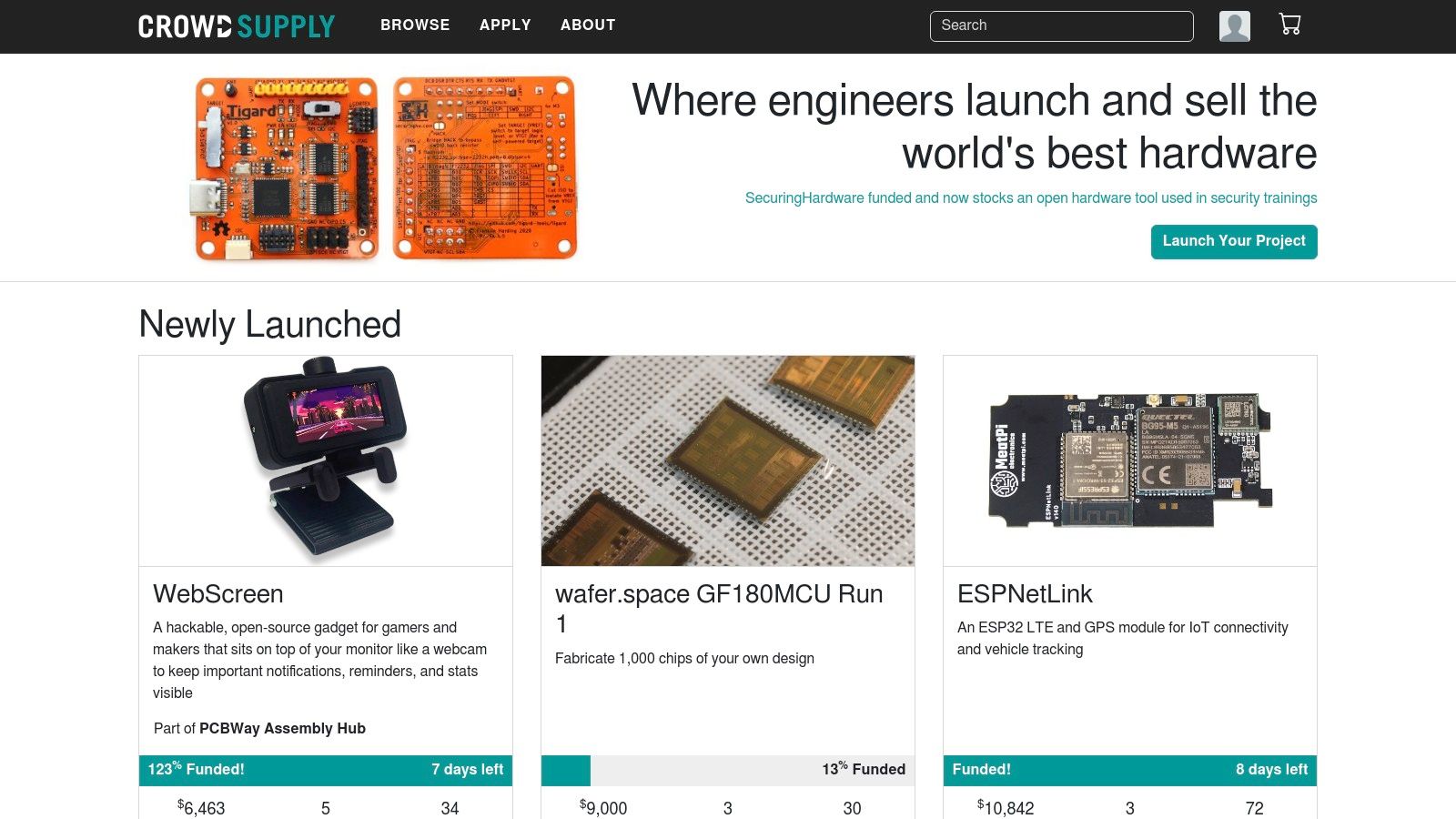
The platform’s major differentiator is its seamless transition from crowdfunding campaign to in-stock retail product. Once a campaign concludes, successful projects often become available for direct purchase through the Crowd Supply store, with reliable fulfillment handled by its partner, Mouser Electronics. This creates a trustworthy ecosystem where backers can follow a project from its inception and newcomers can purchase a finished, vetted product with confidence. This integrated model provides a unique lens into the lifecycle of niche but often highly-funded hardware innovations.
Crowd Supply’s strength lies in its commitment to transparency, quality control, and dependable logistics, especially for complex hardware projects. It builds trust by ensuring projects are viable and that fulfillment is professionally managed.
Browsing and backing projects is straightforward. A key advantage is the detailed manufacturing and fulfillment updates, which provide backers with a clear understanding of the product’s journey. While crowdfunded items can still face delays, the platform’s rigorous oversight and logistics partnership significantly mitigate common hardware production risks.
After a campaign, creators manage backer data and fulfillment. While some platforms offer a basic tool and the Kickstarter pledge manager is like Amazon, many creators need more robust solutions. They often turn to specialized pledge managers like the PledgeBox pledge manager, which is like Shopify. This allows creators to build a branded post-campaign experience to manage backers and upsell items. Notably, PledgeBox is free to send the backer survey and only charges 3% of upsell if there's any, offering a powerful and cost-effective option.
For those who missed out on a campaign or prefer the security of a traditional retail experience, Amazon Launchpad serves as a vital post-crowdfunding marketplace. This curated storefront within Amazon features innovative products from startups, including many that began as some of the most funded Kickstarter projects. It's the place to go when you want to buy the finished, market-ready version of a product that has successfully navigated the long journey from concept to production.
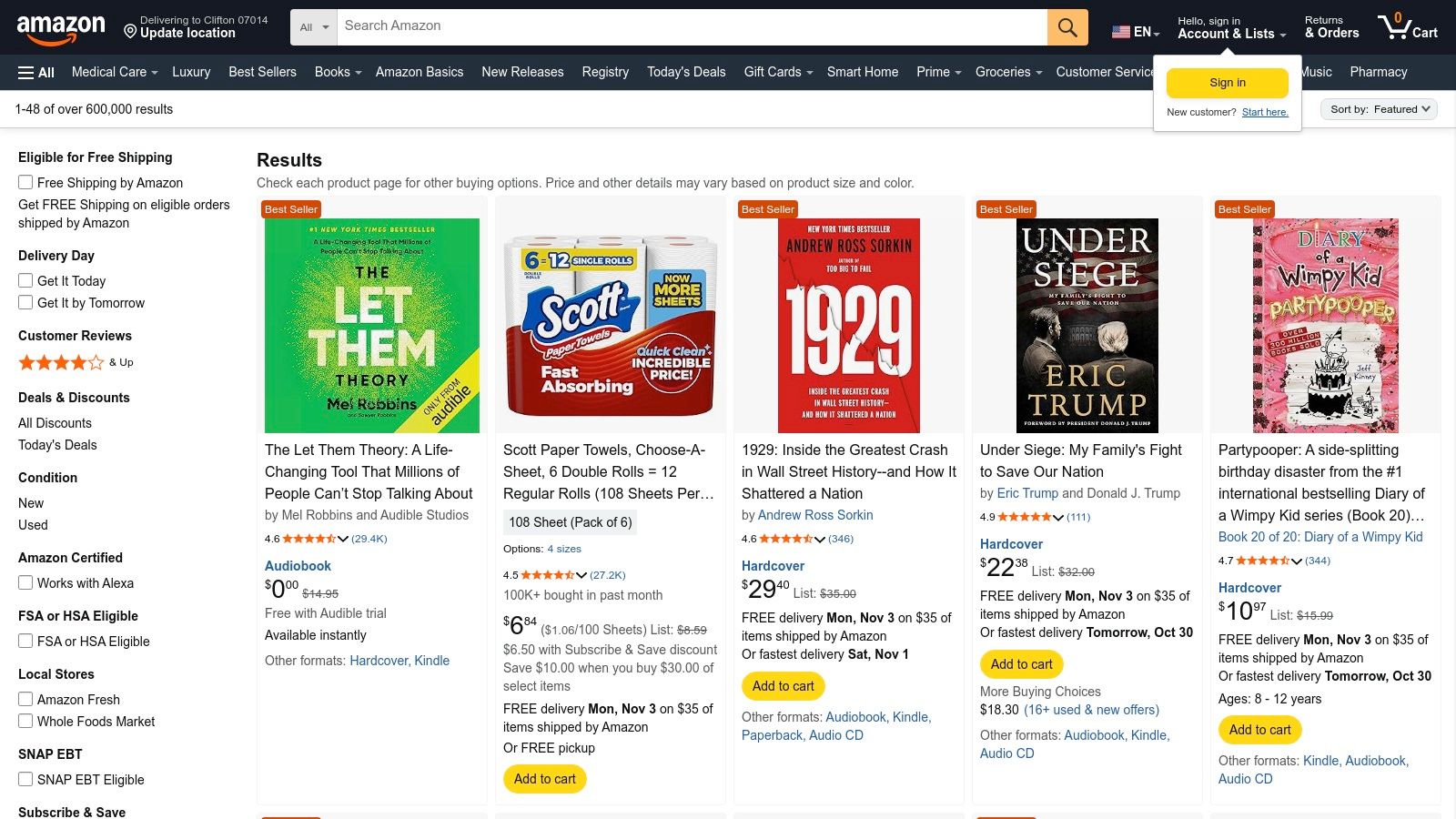
Unlike backing a project on Kickstarter, purchasing from Launchpad is a standard retail transaction. You get the familiar benefits of Amazon's ecosystem, such as Prime shipping, customer reviews, and a straightforward returns policy. This makes it an excellent resource for discovering how top-tier crowdfunding ideas have evolved into consumer-ready products. The platform allows you to see which former Kickstarter darlings have achieved mainstream success and commercial viability.
Amazon Launchpad’s core strength is its blend of startup innovation with world-class logistics and customer trust. It bridges the gap between the uncertain world of crowdfunding and the reliable experience of mainstream e-commerce.
Navigating Launchpad is free, and the shopping experience is identical to the main Amazon site. However, be aware that the selection rotates, and not every blockbuster Kickstarter campaign makes it to the platform. Additionally, the retail version sold here may differ slightly from the original backer editions, sometimes lacking exclusive add-ons. For brands making this transition, understanding the nuances of the platform is key. A solid go-to-market plan is essential, and creators can benefit from guides covering the top 10 Data-Driven Product Launch Strategies for Amazon to ensure a successful debut.
While Amazon acts as a powerful final sales channel, creators manage the post-campaign phase with specialized tools. The Kickstarter pledge manager is like Amazon's closed marketplace system. In contrast, many successful creators use a pledge manager like the PledgeBox pledge manager, which is like Shopify by providing a customizable storefront for managing backer information and upsells. A key benefit is that PledgeBox is free to send the backer survey and only charges 3% of upsell if there's any.
For those who miss a campaign or want to expand their collection later, Miniature Market is a premier retail destination. This large U.S.-based retailer specializes in board games and tabletop products, acting as a crucial secondary market for many of the most funded Kickstarter games after their initial fulfillment. It’s where blockbuster campaigns transition from crowdfunding sensations to mainstream retail products, offering a second chance to acquire sought-after titles.

The platform functions as a traditional e-commerce store, providing a familiar and secure shopping experience. Unlike backing a live project, purchasing from Miniature Market comes with standard retail protections, reliable shipping, and clear stock availability. This makes it an ideal spot to find reprints, expansions, or base games that originated on Kickstarter, without the inherent risks and long waits of the crowdfunding process itself.
Miniature Market's core advantage is its role as a bridge between the niche crowdfunding world and the broader tabletop gaming market. It provides accessibility and reliability for consumers who prefer a traditional retail experience.
Navigating the site is free, with pricing set at standard retail rates. Miniature Market offers a free shipping threshold for contiguous U.S. orders, a significant benefit for heavy board game boxes. The main drawback is that Kickstarter-exclusive content, such as deluxe components or special add-ons, is often not included in the retail versions sold here.
Many creators of these games use specialized pledge managers post-campaign to handle fulfillment and upsells. While the Kickstarter pledge manager is like Amazon, third-party platforms like the PledgeBox pledge manager is like Shopify, giving creators a branded storefront. This is a key reason creators prefer it, as PledgeBox is free to send the backer survey and only charges 3% of upsell if there's any.
The journey from a promising idea to a record-breaking, most funded Kickstarter campaign is paved with strategic decisions. As we've dissected the triumphs of projects like Pebble Time and Frosthaven, a clear pattern emerges: success isn't just about a brilliant product or a viral launch. It's about a meticulously planned ecosystem that engages backers from pre-launch to fulfillment. The most successful creators master both the art of community building and the science of post-campaign management.
These top-tier campaigns demonstrate that treating your launch platform, like Kickstarter, as a marketplace (the 'Amazon' of crowdfunding) is only half the battle. This is where you attract a massive audience and validate your idea. The other, equally crucial half is creating your own controlled post-campaign environment (your 'Shopify'). This is where you nurture backer relationships, streamline complex orders, and unlock significant new revenue through upsells.
Reflecting on the giants of Kickstarter, several key strategies stand out as non-negotiable for anyone aspiring to join their ranks:
Your choice of tools should directly reflect your project's needs. A complex board game with dozens of miniatures and expansions has vastly different fulfillment requirements than a simple tech gadget. When selecting a pledge manager, consider the cost structure carefully. While some platforms charge a percentage of all funds raised, others offer a more creator-friendly model.
For example, a platform like PledgeBox stands out by allowing you to send your backer surveys for free. They only take a small 3% commission on revenue generated from upsells, meaning their success is directly tied to yours. This model aligns perfectly with the goal of maximizing your campaign's profitability without cutting into your initial funding goal. By planning your post-campaign strategy with the same rigor as your launch, you transform a great funding total into a truly successful and sustainable business.
Ready to build your post-campaign success story like the most funded Kickstarter projects? PledgeBox provides the powerful, creator-friendly tools you need to manage backers, streamline surveys, and boost your revenue with upsells, all without upfront costs. See why thousands of creators trust PledgeBox to turn their crowdfunding vision into a fulfilled reality.
PledgeBox
The All-in-One Toolkit to Launch, Manage & Scale Your Kickstarter / Indiegogo Campaign