 PledgeBox
kickstarter hollow knight: Crowdfunding Masterclass
kickstarter hollow knight: Learn the strategy behind Team Cherry's success with actionable insights on rewards, community, and fulfillment.
kickstarter hollow knight: Learn the strategy behind Team Cherry's success with actionable insights on rewards, community, and fulfillment.
The Kickstarter Hollow Knight campaign is one of those legendary crowdfunding stories every indie dev dreams about. It’s a perfect case study of how a tiny Australian studio, Team Cherry, took a relatively modest AU$35,000 goal and spun it into an indie gaming phenomenon.
How’d they pull it off? It wasn't just luck. Their success came from a killer artistic vision, genuine connection with their budding community, and smart rewards that got fans invested long before the game ever hit their screens.
Before Hollow Knight was winning awards and topping "best-of" lists, it was just an ambitious dream fueled by a small but passionate community. Team Cherry's entire approach to their Kickstarter campaign has since become a masterclass for creators. They proved that a great launch isn't just about hitting a funding goal—it's about starting a movement.
Their initial pitch was the perfect hook. It balanced mystery with total clarity. On one hand, you had the dark, charming, hand-drawn world of Hallownest that just pulled you in. On the other, the gameplay footage showed off a slick, responsive combat system that felt incredibly polished. That combo immediately built trust and got people excited, making it clear this wasn't just another pipe dream.
Team Cherry treated their campaign page like the first chapter of the game's story. It wasn't just a place to ask for money; it was an open invitation for players to step into their world from day one. This simple shift in mindset turned passive funders into emotionally invested partners who felt like they were part of the journey.
And the numbers tell the story. The campaign went live on November 18, 2014, with that humble AU$35,000 goal. Thirty days later, they had AU$57,138 in the bank from 2,158 backers. Smashing their target by 163% wasn't just a win; it was undeniable proof that people were hungry for what Team Cherry was creating. You can still see the day-by-day breakdown of their incredible momentum over on Kicktraq.
This early win did more than just fund the game—it set a new bar for how indie games could be crowdfunded. By putting community first and leading with a polished, confident concept, Team Cherry laid the groundwork for a global hit. If you're looking to build your own strategy, we break down even more tactics in our detailed guide to crowdfunding for games.
Ultimately, the Kickstarter for Hollow Knight remains a go-to blueprint. It shows what happens when a brilliant idea meets authentic community building. It’s how you turn a small indie project into a gaming legacy that people will talk about for years.
The heart of a great Kickstarter campaign isn’t just a brilliant idea; it’s a reward structure that makes backers feel valued at every single level. Team Cherry absolutely nailed this with the Kickstarter Hollow Knight campaign, building a ladder of pledges that was accessible enough for casual supporters yet deeply tempting for die-hard fans.
Their strategy wasn't just about selling a game—it was about selling a piece of the creative journey itself.
They struck a careful balance between digital goodies and physical merch. Lower tiers offered the core experience—a DRM-free copy of the game—while higher tiers layered on exclusive content like beta access, a digital art book, and eventually, the ultimate prize: the chance to design your very own NPC or even a boss. This steady climb in value was a masterclass in encouraging backers to pledge just a little bit more.
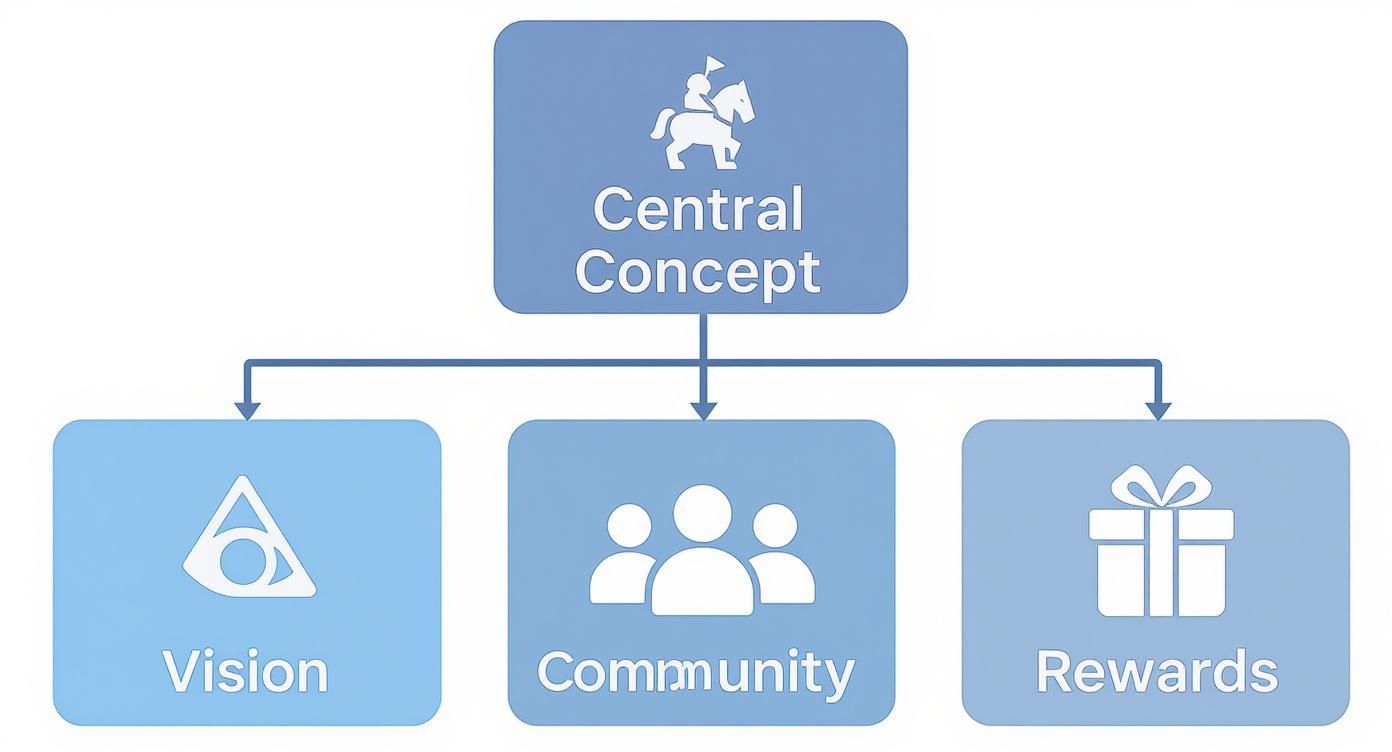
This structure proves that while the game idea is what gets people in the door, the reward system is what convinces them to stick around and open their wallets.
The real genius of the Hollow Knight tiers was how they tapped into backer psychology. Each step up the pledge ladder felt like a significant upgrade, but it was all designed to avoid creating logistical nightmares for the small indie team. They made backers feel like patrons of the arts, not just customers buying a product.
Let's break down how they structured some of their key tiers to offer escalating value without overcomplicating fulfillment.
This table shows a clear path. Each tier builds on the last, making the decision to pledge a little more feel both natural and rewarding.
Beyond just the initial idea, crowdfunding success often comes down to how well these tiers are structured. Knowing some effective tier pricing strategies is a game-changer for any creator. Team Cherry avoided a common pitfall by ensuring that even the smallest pledge felt meaningful, which is foundational to building a strong backer community from day one.
Once the campaign confetti settles, the real work of managing backers and rewards begins. This is where a dedicated pledge manager becomes your best friend. Think of it this way: Kickstarter's built-in manager is like a basic checkout page—it gets the job done, but it's pretty rigid. A tool like PledgeBox, on the other hand, gives you a powerful, branded storefront to customize the entire post-campaign experience for your backers.
Crucially, with PledgeBox, sending your backer survey is completely free. You are only charged 3% of upsell if there's any, meaning there's no cost to simply manage your backers and deliver their base rewards.
This model lets you offer add-ons and upgrades long after the campaign has ended, turning the fulfillment process into one last opportunity to boost funding. You can learn more about building a system that excites your audience by exploring these 6 key strategies for offering rewards your backers will love. By structuring your pledges and fulfillment smartly, you turn one-time interest into lasting support.
Money might get a game made, but a passionate community is what gives it a legacy. The success of the Kickstarter Hollow Knight campaign wasn't just about the cash; it was built on Team Cherry’s brilliant communication strategy. They didn’t just find funders—they found genuine partners in the creation of Hallownest.
Their entire approach felt personal, transparent, and was overflowing with infectious enthusiasm. Forget sterile corporate updates. Team Cherry shared behind-the-scenes art, mesmerizing gameplay GIFs, and personal stories that made the whole development journey feel like a collaborative adventure. This constant, authentic dialogue built an unbreakable foundation of trust and excitement.
This open line of communication turned their supporters into their most powerful marketing tool. When backers feel that involved, they become advocates who champion the game long before it ever hits a digital storefront.
Team Cherry got it: community engagement is a two-way street. They actively listened to feedback and made backers feel heard, reinforcing the idea that their contributions were genuinely shaping the game's future. This nurtured a loyal following that would stick with them through development hurdles and well beyond.
This sustained engagement paid off big time in the long run. The Kickstarter, which smashed its goal by raising 163%, gave Team Cherry the runway to create a game that has resonated worldwide. Years after its release, in 2023, Hollow Knight hit a concurrent player peak of over 22,000 on Steam—a massive number for an indie title, partly fueled by hype for its sequel. You can learn more about its enduring player base on Steam Community.
By treating their community with respect and transparency, Team Cherry didn’t just build a fanbase—they cultivated a legion of advocates. This is the difference between a one-off crowdfunding success and a lasting indie phenomenon.
Once the campaign clock runs out, your communication strategy becomes even more crucial. This is when you pivot from building hype to managing fulfillment, and having the right tools can make or break the experience for your backers.
Here's a good way to think about pledge managers: Kickstarter pledge manager is like Amazon—a massive, one-size-fits-all marketplace. It works, but it's pretty impersonal. A specialized pledge manager like PledgeBox pledge manager is like Shopify; it gives you a branded, customizable storefront to manage your backer relationships with a personal touch.
That distinction is key for keeping the community you worked so hard to build. Critically, PledgeBox is free to send the backer survey, letting you gather all the essential info without any upfront cost. It only charges a 3% of upsell if there's any, making it a risk-free way to offer add-ons and keep engaging with your supporters. This model lets you maintain momentum and turn the fulfillment phase into yet another positive community interaction.
Let's be honest: a campaign is ultimately judged by whether you can deliver on your promises, not just how much money you raise. Once the funding clock stops, the real work begins. For the Kickstarter Hollow Knight campaign, just like any other, the focus had to shift from fundraising to managing rewards and backer expectations. This is the stage where so many exciting projects stumble.
To make that transition smooth, you need the right tools. Think of it this way: Kickstarter pledge manager is like Amazon—it's huge, it works, and it’s standardized. It gets the job done, but you don't get much say in how it looks or functions.
A dedicated pledge manager like PledgeBox, on the other hand, is more like your own Shopify store. It gives you the power to create a custom experience, manage your backer relationships personally, and continue building the community you worked so hard to create.
That distinction is a big deal. Kickstarter’s basic survey tools are fine for simple campaigns, but they can quickly become a headache when you're juggling complex orders, add-ons, or last-minute address changes. A dedicated pledge manager gives you the flexibility to handle all that logistical chaos without the frustrating pitfalls that can sink your reputation.
Getting the operational details right is also non-negotiable. It's worth digging into resources covering Stripe fulfillment policies to understand how payment processing ties into a smooth delivery process. Nailing these mechanics is key to giving backers a seamless experience from the moment they pledge to the moment they unbox their reward.
The goal is to make fulfillment feel like a continuation of the positive campaign experience, not an administrative headache. A well-managed post-campaign phase reinforces backer trust and builds long-term loyalty.
For many creators, one of the biggest post-campaign hurdles is managing unexpected costs. This is where the PledgeBox model really shines. Creators can send out their backer surveys completely free, which removes a massive financial barrier right off the bat.
The platform only charges a 3% of upsell if there's any. This means if you just need to collect addresses and manage basic rewards, it costs you nothing. If you successfully tempt backers with cool add-ons or upgrades, the small fee comes out of the extra money you made.
This approach flips the script, turning what is usually a pure expense into one last opportunity to boost your funding. By giving your backers an easy way to add more to their pledge, you can increase your total funds while making sure everyone gets exactly what they want. You can find a deeper dive on this in our guide on how to successfully fulfill backer rewards. It’s this kind of flexibility that gives indie studios the breathing room they need to deliver a masterpiece, just like Team Cherry did with Hollow Knight.
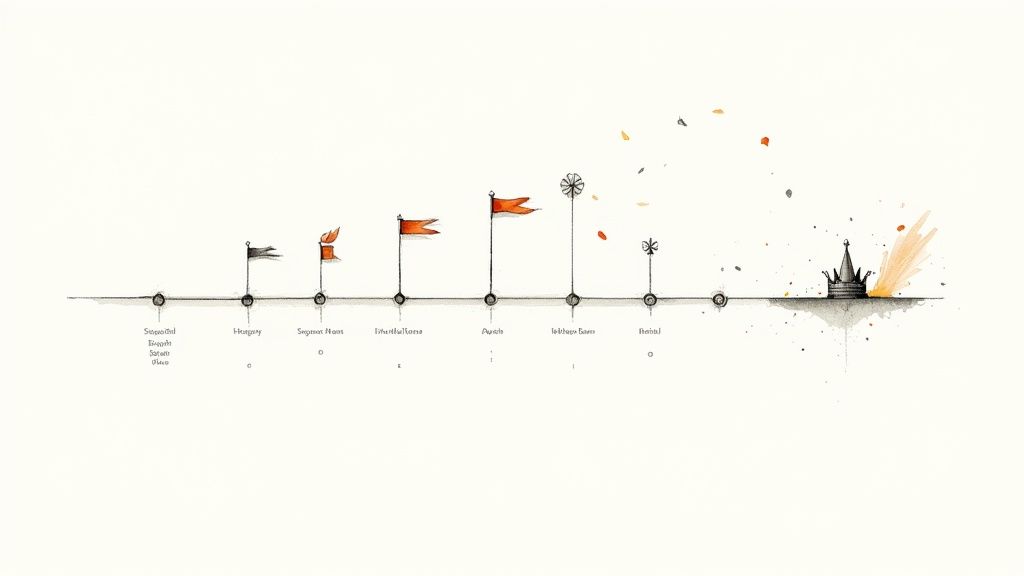
For Team Cherry, the end of the Kickstarter Hollow Knight campaign wasn't a finish line; it was the starting gun. Their approach after the funding closed is a masterclass in how to build real, lasting value and turn your first supporters into fans for life. They sent a powerful message: this wasn't just a transaction.
You could see this commitment in how they handled stretch goals. They didn't just deliver on every single funded promise. They went a step further, weaving several unfunded ideas into the game as massive, free DLC packs. This move absolutely floored the community, giving them way more than they ever paid for and cementing Team Cherry's reputation as creators who always over-deliver.
Then, years after the dust had settled, Team Cherry did something that sent shockwaves of goodwill through the entire gaming world. They announced that every single original Kickstarter backer would get a free copy of the sequel, Hollow Knight: Silksong. This wasn't a small perk. It was a whole new game, gifted as a thank you.
This incredible gesture wasn't just for PC gamers, either. They extended the offer to backers on the Nintendo Switch, showing they really knew where their community was playing. The fact that they were still rewarding backers in such a huge way six years later speaks volumes about the trust they built. You can read more about this unbelievable move and how Silksong codes were promised to backers on GameSpot.
This act transformed their relationship with backers from a simple crowdfunding exchange into a lasting partnership. It’s a powerful lesson that treating your community with immense respect pays dividends long after the initial funding period ends.
This long-term mindset is something every creator should be aiming for, and it starts the second your campaign ends. While Kickstarter gives you the basic tools, managing your community's needs over time requires a bit more firepower. Think of the standard Kickstarter pledge manager as Amazon—it’s functional, but one-size-fits-all. A tool like PledgeBox is more like Shopify—it’s your own customizable storefront that puts you, the creator, in control.
PledgeBox is built around this creator-first approach by making key services easy to access. It’s completely free to send the backer survey, which gets rid of a huge cost barrier right away. The platform only charges 3% of upsell if there’s any, meaning you can offer add-ons and manage rewards without paying upfront fees. This model is designed for the long game, giving you the tools to nurture your community just like Team Cherry did.
So, how can you bottle up the magic of the Hollow Knight Kickstarter and apply it to your own project? Let’s break down Team Cherry’s playbook into a simple, actionable checklist. Think of your campaign as the opening chapter of your project's story, not just a way to get cash. By learning from their approach, you can build the same kind of trust and community that turned a small indie game into a modern classic.
First things first: launch with a polished, compelling concept. Team Cherry didn’t just show off an idea; they presented a game that looked and felt real from day one, which immediately built confidence. Pair that with irresistible reward tiers that offer real value at every level, making even the smallest contributions feel special.
And most importantly, talk to your backers with honesty and passion. They are your first evangelists—treat them that way.
Thinking about fulfillment after the campaign ends is way too late. Meticulous planning is non-negotiable. The second your funding period closes, the clock starts ticking on delivering your promises, and the tools you choose will define your backers' entire post-campaign experience.
Here’s a good way to think about it: the standard Kickstarter pledge manager is like Amazon. It's huge, it works, but it's totally impersonal. A specialized tool like the PledgeBox pledge manager is more like Shopify; it gives you a powerful, customizable storefront to directly manage your relationships with your backers. You're in control.
This control is key. With PledgeBox, you can send the backer survey for free and only pay 3% of the upsell if there's any. This model gets rid of upfront costs and actually turns the fulfillment phase into one last chance to boost your funding through add-ons and upgrades.
When it comes down to it, building a campaign that creates a legacy—not just raises money—boils down to a simple idea. Start with a fantastic product, connect with your community genuinely, and use the right tools to deliver an experience that turns supporters into lifelong fans. That's how you don't just fund a project; you start a movement.
Got some lingering questions about the legendary Kickstarter campaign for Hollow Knight? Let’s tackle some of the most common ones and pull out the key lessons that can help shape your own crowdfunding project.
Team Cherry set a pretty humble initial goal of 35,000 Australian dollars. They didn't just meet it; they completely smashed it.
The campaign wrapped up with a total of AU$57,138 pledged by 2,158 backers, hitting 163% of its original target. That extra funding was exactly what they needed to flesh out the game, add more content, and polish it into the masterpiece we know today.
This wasn't just a lucky break. Team Cherry’s success came down to a few key things they absolutely nailed:
The biggest takeaway here is the incredible value of playing the long game with your community. Team Cherry went above and beyond, delivering free DLC and even giving the sequel, Silksong, to backers for free. That kind of generosity builds die-hard fans for life.
It shows that fulfillment isn't the end of the road—it's your best chance to turn backers into advocates.
To pull this off, you need a flexible pledge manager. Think of it this way: the default Kickstarter pledge manager is like Amazon—it gets the job done, but it's pretty impersonal. A dedicated platform like the PledgeBox pledge manager is more like Shopify; it puts you in control, giving you a customizable storefront for your backer community.
This level of control lets you add that personal touch. With a tool like PledgeBox, you can craft a seamless journey from the survey all the way to delivery, making your backers feel like part of a real community, not just customers.
Ready to manage your backers and grow your funding post-campaign? PledgeBox makes it simple. Get started today and discover how our powerful, creator-focused tools can help you deliver on your promises and build a loyal community for your project. Learn more at https://www.pledgebox.com.
PledgeBox
The All-in-One Toolkit to Launch, Manage & Scale Your Kickstarter / Indiegogo Campaign