 PledgeBox
Hollow Knight Kickstarter: An Indie Crowdfunding Blueprint
Discover how the Hollow Knight Kickstarter turned a small idea into an indie masterpiece. Learn the crowdfunding strategies that built a legend.
Discover how the Hollow Knight Kickstarter turned a small idea into an indie masterpiece. Learn the crowdfunding strategies that built a legend.
Back in 2014, a crowdfunding campaign for a little indie game called Hollow Knight popped up on Kickstarter. That campaign would go on to transform a promising concept into the sprawling, beloved masterpiece we know today. It successfully raised over A$57,000 from more than 2,000 backers, giving developer Team Cherry the fuel they needed to build a much bigger world.
Before Hollow Knight was a global sensation, it was just an ambitious dream from a small Australian studio. Team Cherry had a clear vision for a classic Metroidvania, but their budget was tight. The Hollow Knight Kickstarter was the spark that turned that humble idea into the vast, intricate world of Hallownest.
The campaign’s success wasn't an accident—it was a testament to its stunning art style and a gameplay promise that felt fresh and exciting. Launched in 2014, it immediately grabbed the attention of gamers hungry for a challenging, atmospheric adventure. This early financial backing unlocked the game's true potential, letting the team add the incredible detail, countless boss fights, and sprawling areas that simply wouldn't have been possible otherwise.
Here’s a quick snapshot of how it all went down.
The campaign was a textbook example of a small project punching way above its weight class, thanks to a clear vision and an engaged community.
Ultimately, the community's support was the secret ingredient that allowed Team Cherry to fully realize their artistic ambitions.
What started with a modest funding goal quickly snowballed into a powerful community movement. The money raised did more than just bankroll development; it validated Team Cherry's vision and created a built-in audience of passionate fans from day one.
This is a critical lesson for any creator planning their own crowdfunding campaign. That early support system is gold. But getting funded is just the beginning—managing those backers effectively after the campaign is where many creators stumble.
The real work begins after the campaign clock hits zero. You're not just managing funds; you're nurturing a community that believed in your project from day one.
For creators, knowing what tools to use after the campaign is essential. Think of it this way: Kickstarter is like Amazon, a big marketplace for that initial transaction. But a dedicated pledge manager like PledgeBox is more like Shopify, your own personalized back office, giving you total control to manage your backers with precision.
This difference is huge. With a tool like PledgeBox, you can send out your backer surveys for free to collect shipping details and reward preferences. The platform only charges 3% on funds raised from upsells, making it a risk-free way to offer add-ons and manage fulfillment without a headache. To get a better handle on this, check out our guide to crowdfunding for games.
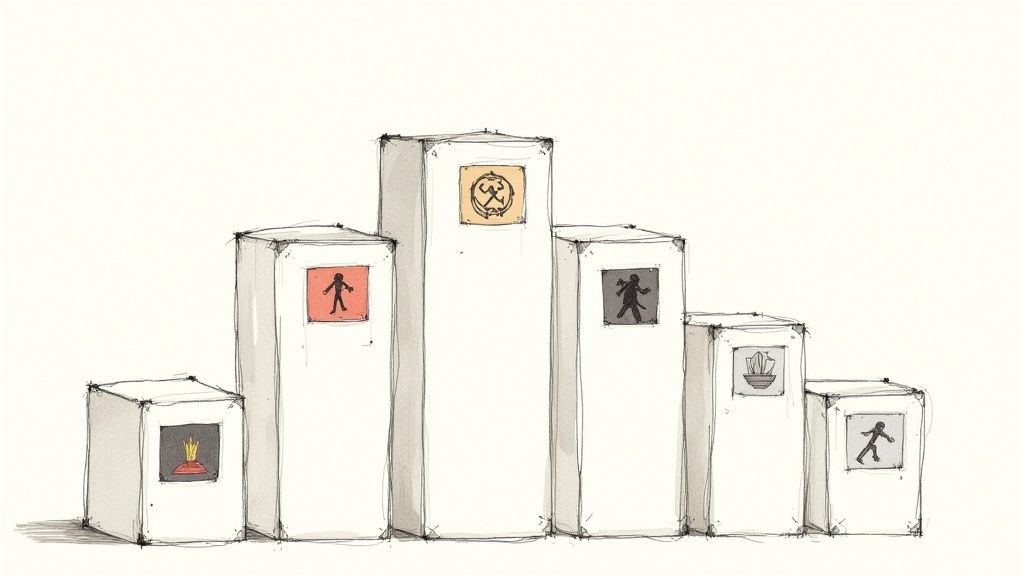
The financial success of the Hollow Knight Kickstarter wasn't just about a killer game concept; it was also a masterclass in designing pledge tiers. Team Cherry nailed a core truth of crowdfunding: backers aren’t just buying a product. They’re investing in a story and want to be a part of it.
Each reward level was carefully crafted to offer more value and pull backers deeper into the world of Hallownest. The tiers scaled perfectly, giving people a clear and compelling reason to pledge just a little bit more.
Team Cherry's strategy was a smart mix of digital goodies and exclusive, hands-on opportunities. They made sure the lower tiers were super accessible, so anyone could feel like they were part of the journey.
This structure wasn’t just a menu of options; it was a ladder of involvement. It was about getting closer to the creative process, not just pre-ordering a game. If you're looking for more ideas, check out these key strategies for offering rewards your backers will love.
The real magic of the campaign, though, was in its higher tiers. These offered something money can’t usually buy: a permanent spot in the game world itself. These rewards went way beyond merch; they were a shot at creative immortality.
The most compelling rewards give backers a sense of ownership. When someone can point to a character or a boss and say, "I helped create that," you've built a fan for life.
At the A$75 "Benevolent Spirit" tier, backers could design a ghost to haunt the game's spirit glades. And at the very top, the "Hallownest's Pantheon" tier for A$1,000, a backer got to collaborate with the team to design an entire boss, complete with unique lore and attack patterns. This didn't just make them supporters; it made them co-creators.
Of course, managing rewards that range from digital keys to collaborative design sessions is a huge logistical challenge. Once the fundraising wraps up on a platform like Kickstarter, which acts as the big storefront, creators often need a dedicated pledge manager. Think of Kickstarter as Amazon—it’s where the transaction happens. A pledge manager like PledgeBox is like your own Shopify store—a back-office system built for handling surveys, add-ons, and shipping with precision.
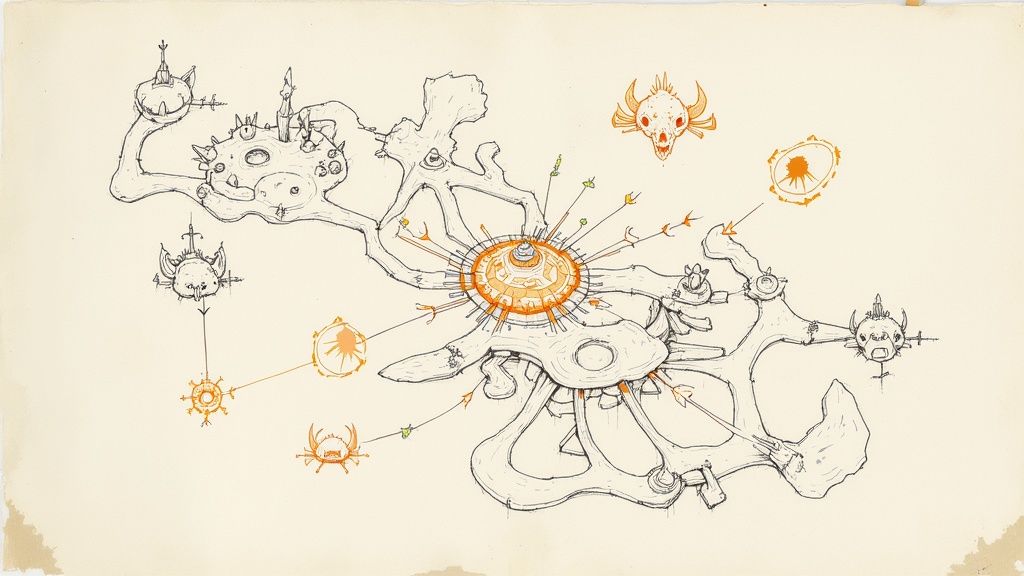
Stretch goals are often the secret sauce of a killer Kickstarter campaign. For Hollow Knight, they weren't just extra funding targets; they were promises that transformed the game from a cool indie concept into the sprawling, mysterious world players adore today.
This strategy was brilliant. It essentially gamified the funding process itself. Backers weren't just donating money; they felt like they were on a quest, collectively unlocking new layers of the game. Team Cherry played this perfectly, revealing stretch goals that expanded the lore, added new bosses, and, most famously, introduced a second playable character—Hornet.
That final goal was a masterstroke. It didn't just build incredible hype for the initial release; it planted the seed for what would eventually blossom into the highly anticipated sequel, Silksong.
The adrenaline rush of a successful campaign is one thing. Actually delivering on every single stretch goal is a whole different beast. It's where the rubber meets the road, and it’s one of the most critical lessons from the Hollow Knight Kickstarter.
While Team Cherry delivered an absolutely massive game, not every single promise made it into the final cut exactly as first described. This happens all the time in crowdfunding, where sky-high ambition runs into the hard realities of development schedules and resources. For a deeper dive into this, you can learn more about what creators should know about Kickstarter stretch goals.
A successful Kickstarter isn't just about hitting funding targets. It's about transparently managing backer expectations and adapting your vision without losing the trust of the community that helped build it.
Instead of trying to shoehorn every single idea into the base game, Team Cherry got creative. They wove the spirit of those goals into the game and its generous free DLC packs. This approach allowed them to keep the quality sky-high while still honoring their commitments, proving that flexibility is just as important as ambition.
The Kickstarter's impact on Hollow Knight's future can't be overstated. It was more than a funding round; it was a collaborative launchpad. Even as some original stretch goals were adapted, the team used backer feedback to shape the game's direction and keep the door open for future content.
The wild success of the first game is what gave the studio the runway to develop ambitious follow-ups like Hollow Knight: Silksong, which was still in the works in 2025, more than six years after its announcement, with a planned release that year.
Of course, managing all these moving parts after a campaign requires the right tools. Think of it this way: Kickstarter is like Amazon—a massive marketplace to get your project funded. But afterward, you need a specialized pledge manager like PledgeBox, which acts more like Shopify—a dedicated back-office for your project.
With PledgeBox, sending out backer surveys is free, and you only pay a 3% fee on funds raised from upsells, if there's any. It’s a powerful way to handle fulfillment and keep your backers happy without any upfront costs.
https://www.youtube.com/embed/dbp4lTTnKiM
The real magic of the Hollow Knight Kickstarter wasn't just about the money. It was about building a worldwide community before a single public line of code was even shipped. Team Cherry knew that a great campaign creates advocates, not just customers. They nurtured this growing fanbase with a communication style that was all about transparency and genuine passion.
They sent out frequent updates, making backers feel like they were part of the inner circle and truly invested in the journey. But Team Cherry didn't just talk at their supporters; they listened. By actively engaging with feedback, they turned their backers into a passionate extension of their QA team. This transformed the campaign from a simple transaction into a genuine collaboration, creating a legion of fans who championed the game with incredible energy.
This early community engagement became a powerful, organic marketing machine. It ignited a firestorm of fan art, detailed wiki pages, and lively discussions across forums and social media long before the game ever hit digital shelves. The community didn't just sit and wait; they helped build the hype themselves, creating a groundswell of anticipation that money simply can't buy. One of the keys to Hollow Knight's success was nurturing this passionate community from day one. For more proven methods on building strong connections, check out these strategies to improve customer engagement.
The Kickstarter campaign brought together a global fanbase from key markets like North America, Europe, and Asia. This early momentum paid off big time. After its 2017 launch and later console ports, Hollow Knight sold over 15 million copies worldwide by 2025. This proves the massive market demand was born right there during its crowdfunding phase. You can dig deeper into the Hollow Knight Kickstarter and its history if you want to learn more.
Keeping that connection alive after the campaign ends is absolutely critical. This is where pledge managers become indispensable tools for creators. It helps to think of it this way: Kickstarter is like Amazon—a huge marketplace to make that initial sale. A pledge manager like PledgeBox, on the other hand, is more like Shopify—a dedicated back-office that gives you complete control to manage your community.
A Kickstarter campaign is a conversation, not a monologue. The way you engage with your first supporters sets the tone for your game's entire lifecycle.
This distinction is crucial. With PledgeBox, sending your backer surveys to collect all that vital info is completely free. The platform only charges a 3% fee on funds raised from upsells, if there's any, making it a powerful, risk-free tool for offering add-ons and keeping your community engaged long after their initial pledge.
The moment your Kickstarter campaign timer hits zero isn’t the finish line. Far from it. It's really the starting gun for the next marathon: fulfillment and communication. For many creators, especially first-timers, this is where the real work begins. Suddenly you're managing thousands of backers, trying to collect shipping info, and sorting out complex rewards—a lesson the Hollow Knight Kickstarter team learned as they built their massive community.
Getting this part right is absolutely critical. You’ve spent weeks building trust and excitement, and a clumsy post-campaign process can burn through that goodwill fast, leading to frustrated backers and logistical headaches. The key is to shift your mindset from fundraising to project management.
Here's a simple way to think about the tools you'll need. Think of Kickstarter as Amazon. It’s a massive, bustling marketplace that helps people discover your project and make that initial "sale." It's incredible for building momentum and finding an audience, but its job is pretty much done once the funding period ends.
After that, you need your own dedicated back office—a system built for control, communication, and getting rewards out the door. This is where a pledge manager like Pledgebox comes in. It acts as your project’s Shopify, giving you a specialized platform with total control over managing your backers, their pledges, and the entire fulfillment process.
This handy infographic breaks down the core differences.
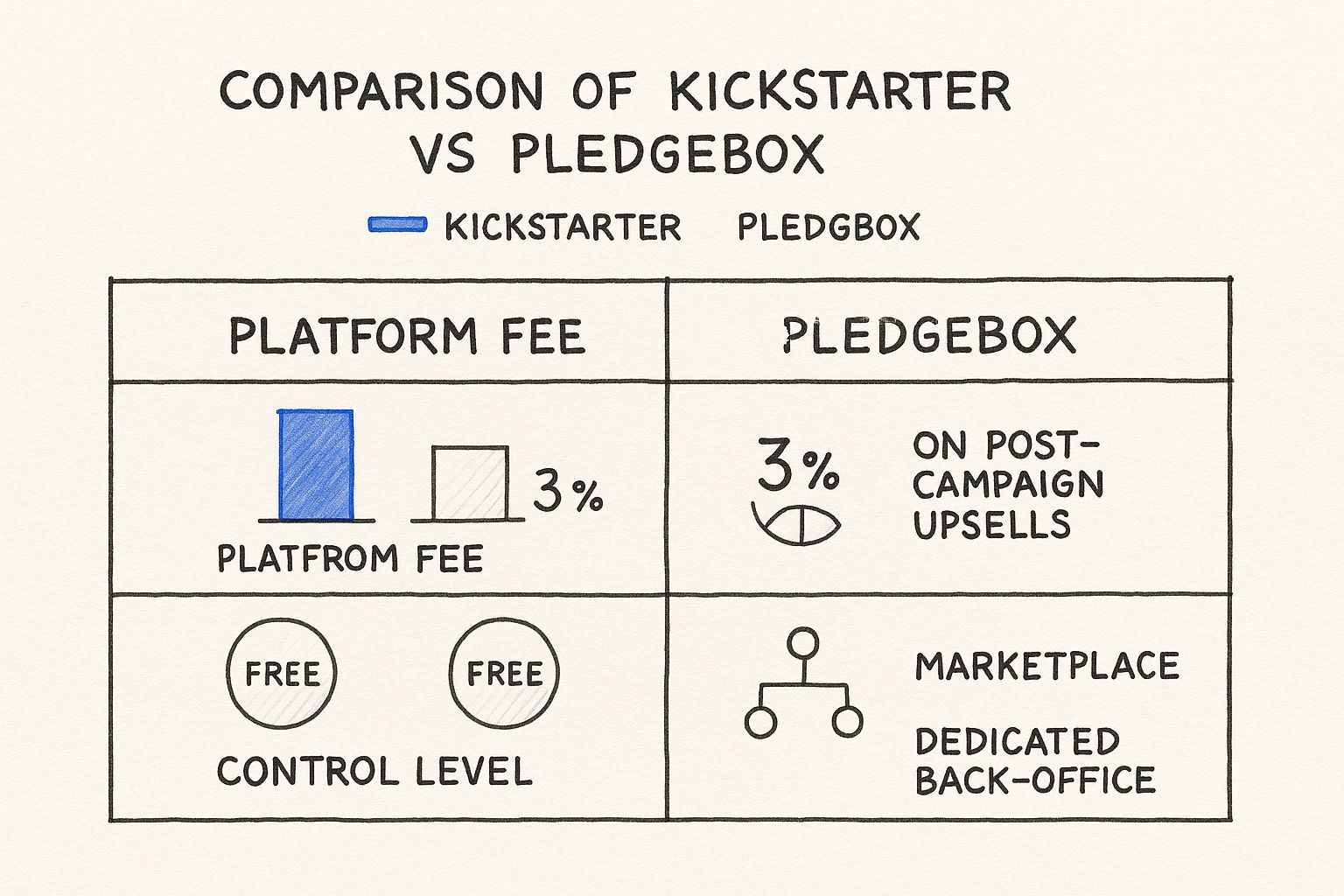
As you can see, while both help you survey your backers, their fundamental roles and costs are designed for completely different stages of your project.
To make it even clearer, let's look at the division of labor between these two types of platforms.
Understanding the different roles of the initial platform and a post-campaign pledge manager.
In short, Kickstarter gets you funded. A pledge manager helps you deliver on your promises.
Using a dedicated pledge manager gives you a massive advantage by separating the fundraising event from the long-term management process. This split gives you the flexibility to handle all the nitty-gritty details of fulfillment without being boxed in by the initial platform's limitations.
One of the biggest wins here is the financial model. With Pledgebox, it’s completely free to send your backer surveys to collect shipping addresses, reward choices, and all that other crucial info. That’s a major operational cost wiped out from the start.
The platform's real genius is its revenue model: Pledgebox only charges a 3% fee on funds raised from post-campaign upsells, if there's any. If you don't sell any add-ons, you don't pay a thing for the survey service.
This risk-free setup is a game-changer. It empowers you to offer backers add-ons, upgrades, and other cool items after the campaign has already closed. It’s a fantastic way to boost your final funding total while giving your most passionate supporters another chance to get more of what they love. For a project like Hollow Knight, this could have meant easily offering art books, soundtracks, or other merch to an already fired-up audience, turning post-campaign logistics into a brand new revenue stream.
The journey of the Hollow Knight Kickstarter offers a powerful blueprint for any creator looking to bring their vision to life. It’s a story that proves crowdfunding is so much more than just raising money—it’s about building a movement from the ground up. By breaking down Team Cherry's success into actionable lessons, you can start paving your own path.
It all begins with an authentic vision. Team Cherry didn’t chase trends or copy what was popular. They committed to a unique artistic style and a clear gameplay promise that felt completely genuine. That authenticity is what hooked backers and became the bedrock of their entire campaign.
Next up, focus on crafting rewards that feel layered and meaningful. You’re not just selling a product; you’re selling an experience. Give backers a chance to become a real part of your project's history, whether it's through affordable digital tiers or exclusive opportunities to contribute creatively. This creates a powerful sense of ownership that can turn casual supporters into lifelong fans.
Remember to use your stretch goals strategically to keep the momentum going. Each new target should feel like a collective win for the community, a new chapter that expands the project in exciting ways. And finally, you have to be ready for what comes after the campaign with the right set of tools.
Your campaign's end is just the beginning of your relationship with your backers. A smooth fulfillment process is essential for maintaining the trust and excitement you've worked so hard to build.
Post-campaign logistics are where so many promising projects stumble. This is where understanding your toolset becomes absolutely critical. While a platform like Kickstarter is the perfect marketplace for your initial launch, a pledge manager is your command center for everything that comes next.
Think of it this way: Kickstarter is like Amazon—it's the massive, bustling storefront where the initial sale happens. A pledge manager like PledgeBox, however, is your Shopify—a dedicated back-office that gives you total control over fulfillment and your relationship with backers.
With PledgeBox, sending your backer surveys is free, and they only charge a 3% fee on funds raised from upsells, if there's any. This makes it a totally risk-free way to manage fulfillment and even boost your total funding long after the campaign clock has run out. To really optimize that backer journey, it also helps to understand the best marketing funnel builder tools available. By putting these lessons into practice, you can turn your own creative idea into a crowdfunding success story.
Still have some questions buzzing around about the Hollow Knight Kickstarter or crowdfunding for games? Let's clear up a few of the most common ones we hear from creators and backers.
It absolutely was. The game we all know and love got a massive leg up from its 2014 Kickstarter campaign. Team Cherry pulled in over A$57,000 from 2,158 backers, which was the fuel they needed to expand their original vision into the sprawling, unforgettable world of Hallownest.
A pledge manager is your best friend after the campaign confetti settles. It’s a tool that helps you organize all the critical backer information once the funding period is over.
Think of it this way: Kickstarter is like Amazon—the massive, exciting storefront where everyone comes to discover and buy into your idea. A pledge manager like PledgeBox is your dedicated back office like Shopify—it’s where you handle the nitty-gritty of shipping addresses, reward choices, and even last-minute add-on sales.
This separation is a lifesaver. Your campaign platform is for getting funded; your pledge manager is for getting everything fulfilled and keeping your community happy. Using both makes the whole process so much smoother.
The cost can vary, but some are built to be incredibly friendly for creators just starting out. For instance, PledgeBox is completely free for sending out your backer surveys. You can collect every shipping address and reward choice without paying a dime.
The platform only takes a 3% fee on any funds you raise from upsells or add-ons sold after the campaign ends, if there's any. If you don't sell any extras, you don't pay anything for the survey tools. It’s a powerful, no-risk way to manage your backer logistics like a pro.
Ready to manage your next campaign with precision? PledgeBox gives you the tools to handle surveys, upsells, and fulfillment without the headache. Learn more and get started at https://www.pledgebox.com.
PledgeBox
The All-in-One Toolkit to Launch, Manage & Scale Your Kickstarter / Indiegogo Campaign